
Katanga Province (former province of the Democratic Republic of the Congo)
Former southern province of the Democratic Republic of the Congo, noted for major copper and cobalt deposits, its capital Lubumbashi, a 1960s secession episode, and its 2015 division into four provinces.
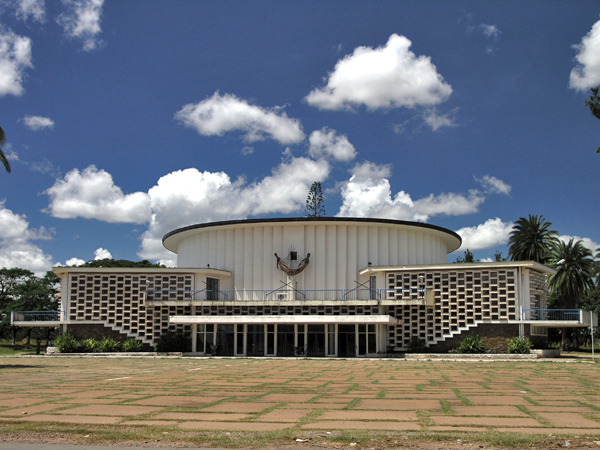
Katanga was a large province in the southern part of the Democratic Republic of the Congo. Centered on the city of Lubumbashi, it occupied a highland region that includes plateaus, savanna and several important river headwaters. The province became widely known for its extensive mineral resources and for playing a central role in Congo's political and economic history.
Image gallery
5 Images


Geography and resources
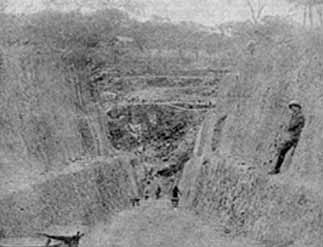
The region sits atop the Central African Copperbelt, a geological formation rich in metallic ores. Its deposits include vast quantities of copper and associated minerals; it is also a principal source of cobalt used in batteries and high‑tech alloys. Mining has shaped settlement patterns, transport links and regional industry. For more on the geology and mineral deposits see mineral deposits and on cobalt production see cobalt production.
History and governance
In the early years after Congo's independence, Katanga was the scene of a separatist movement and a brief, internationally contentious secession in the 1960s. During the late 20th century it was renamed Shaba under national policy changes, before reverting to Katanga in later years. The provincial administration was dominated by mining interests and the state mining company, which influenced both regional politics and national revenues.
Division and modern impact
Under a decentralization plan implemented in 2015, the former Katanga province was divided into four new provinces: Tanganyika, Haut‑Lomami, Lualaba and Haut‑Katanga. This reorganization aimed to bring government closer to residents and redistribute authority, though mining and cross‑border trade continue to shape the area's economy. Lubumbashi remains the principal commercial and urban center for the southern Congo region.
Notable facts
- Katanga's mining output has been crucial to the DRC's export earnings and to global supplies of copper and cobalt.
- Its mineral wealth has been a source of economic opportunity as well as political tension, both locally and internationally.
- The province's division reflects broader attempts at administrative decentralization in the DRC.
Today the legacy of Katanga is visible in the industrial infrastructure, multiethnic cities, and continuing importance of the southern Congo to regional development and global mineral markets.
Related articles
Author
AlegsaOnline.com Katanga Province (former province of the Democratic Republic of the Congo) Leandro Alegsa
URL: https://en.alegsaonline.com/art/52477
Sources
- aljazeera.com : | Katanga: The forgotten province of DR Congo | |
- cnn.com : | Why the wealth of Africa does not make Africans wealthy -