
Karur: city and district headquarters in central Tamil Nadu
Karur is a city on the Amaravathi and Kaveri rivers in central Tamil Nadu, India. It is the administrative centre of Karur district and a long‑standing centre for textiles, trade and regional transport.
Overview
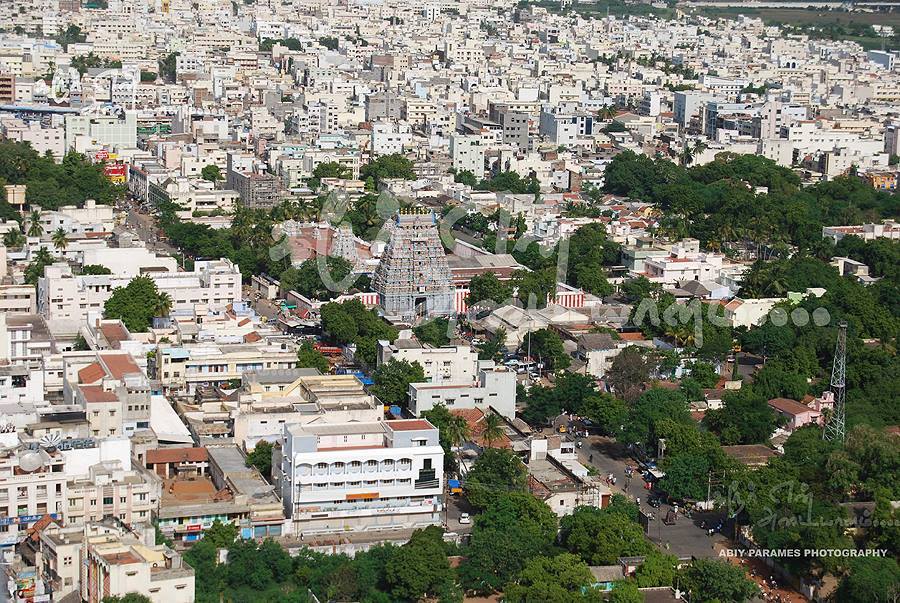
Karur is the administrative headquarters of Karur district in the southern Indian state of Tamil Nadu. Located near the confluence of the Amaravathi and Kaveri rivers, the city occupies a central position within the state and serves as a regional hub for commerce, manufacturing and transport. It lies several hundred kilometres southwest of the state capital Chennai, and is often described as being at the heart of Tamil Nadu because of its geographic and logistical connectivity.
Image gallery
7 Images


History
Karur has a long recorded history and has been governed by multiple regional powers over the centuries. In antiquity and the medieval period the area came under Chera influence; in later centuries it passed through the control of larger south Indian polities such as the Vijayanagara and the Madurai Nayak administrations. During the 18th century it experienced the rivalries of Mysore under leaders including Hyder Ali and the shifting authority of the Carnatic states, and subsequently became part of the British colonial administration in India under the East India Company and later the Crown British rule. This layered past is reflected in archaeological sites, temple architecture and local traditions.
Economy and industries
Today Karur is best known for its textile economy. It is a major centre for home textiles — particularly bed linens, towels and related products — and for small- and medium-scale textile exporters supplying domestic and international markets. The town is also associated with banking origins and commerce: a notable regional bank traces its foundation to Karur, reflecting the city’s commercial traditions. Other economic activities include light engineering, transport-related services and agro-based trade derived from the surrounding rural districts.
- Major sectors: home textiles and garment manufacturing
- Supporting industries: transport, trade, small engineering units
- Services: regional banking and wholesale commerce
Transport, geography and administration
Karur’s central position gives it advantage on road and rail corridors that connect the larger cities of Tamil Nadu. It functions as a district administrative centre and provides public services to surrounding rural taluks. The climate is typically tropical with hot summers and seasonal monsoon rains; the rivers Amaravathi and Kaveri continue to influence irrigation and local agriculture.
Culture, heritage and contemporary role
The city hosts temples, markets and festivals that reflect Tamil cultural life, and its economy links craft and industry to global markets. As a district headquarters, Karur combines historical layers of rule and commerce with contemporary industrial specialisation, making it an important regional node in central Tamil Nadu. Visitors and researchers often note the mix of historic sites, active marketplaces and the visible presence of textile units and export facilities that define modern Karur.
Questions and answers
Q: What is Karur?
A: Karur is the administrative headquarters of Karur District in the South Indian state of Tamil Nadu.
Q: Where is Karur located?
A: Karur is located on the banks of River Amaravathi and River Kaveri and is at a distance of 420 kilometres southwest of the state capital Chennai.
Q: Who has ruled over Karur?
A: Karur has been ruled over by the Chera, Vijayanagar Empire, Madurai Nayaks, Hyder Ali, Carnatic kingdom, and the British at different times.
Q: What is the history of Karur?
A: Karur was formed as a district after independence and has been ruled over by various dynasties and empires throughout history.
Q: What is the geographical significance of Karur?
A: Karur is located at the center or "heart" of Tamil Nadu and is an important district in the state.
Q: What is the significance of River Amaravathi and Kaveri in Karur?
A: Karur is located on the banks of River Amaravathi and River Kaveri, which are important rivers in South India for their cultural, historical, and economic significance.
Q: What is the distance between Karur and Chennai?
A: The distance between Karur and Chennai is 420 kilometres southwest.
Related articles
Author
AlegsaOnline.com Karur: city and district headquarters in central Tamil Nadu Leandro Alegsa
URL: https://en.alegsaonline.com/art/52406