
Karbala Governorate (Iraq)
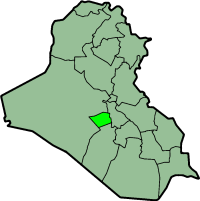
Karbala Governorate is an administrative province in central Iraq centered on the holy city of Karbala, noted for its Shia shrines, large pilgrimages, and a mix of religious tourism and local agriculture.
Overview
Karbala (Arabic: كربلاء) is a governorate in central Iraq. The province shares its name with its capital city, Karbala, which is one of the most important centers of devotion for Shia Muslims. The governorate's population is commonly cited at roughly 710,000 people, though seasonal pilgrim flows greatly increase the number of inhabitants present at times of religious observance.
Image gallery
3 Images

Geography and economy
The governorate occupies part of the Iraqi plain and lies near the course of the Euphrates River. Its climate is generally arid with hot summers and milder winters. The local economy relies heavily on religious tourism and services that support pilgrims, together with agriculture and small-scale trade. Infrastructure in the province has developed partly to accommodate large numbers of visitors, including roads, lodging and marketplaces.
History and cultural importance
Karbala is best known for the events of the Battle of Karbala in 680 CE, which are central to Shia history and identity. The city contains the shrines of Imam Hussein and his half-brother Abbas, focal points for mourning rituals observed during Ashura and the following commemoration period. Each year, millions of pilgrims travel to the governorate for ceremonies such as Arba'een and Ashura.
Administration and demographics
As an administrative unit or muhafazah, the governorate is governed from the provincial capital. The population includes long-term residents and a substantial religious clergy and service sector that supports pilgrimage activities. Demographic figures can fluctuate due to seasonal visits and regional migration patterns. For basic administrative information see governorate details and more context on the country at Iraq.
Significance and notable facts
- Karbala is a primary pilgrimage destination for Shia Muslims worldwide, especially during Ashura and Arba'een.
- The city and governorate are closely associated with remembrance rituals, religious education and shrine maintenance.
- Visitors typically arrive via major roads and dedicated pilgrimage routes; local services expand during peak seasons to accommodate the influx.
For local administrative or travel references, consult regional sources or provincial offices; further reading can be found via general overviews linked here: city of Karbala.
Related articles
Author
AlegsaOnline.com Karbala Governorate (Iraq) Leandro Alegsa
URL: https://en.alegsaonline.com/art/52283