
Kansas's 5th congressional district
A former U.S. House district in Kansas that existed from 1885 to 1993; created during late 19th-century growth and eliminated after reapportionment, its territory was absorbed into other Kansas districts.
Overview
Kansas's 5th congressional district was a congressional district for the U.S. House of Representatives that existed from 1885 until 1993. Like other districts, it elected a single representative to Congress and its exact boundaries changed repeatedly through decennial redistricting. Historical maps and summaries of its boundaries can be consulted via a district map or general resources about Kansas.
Image gallery
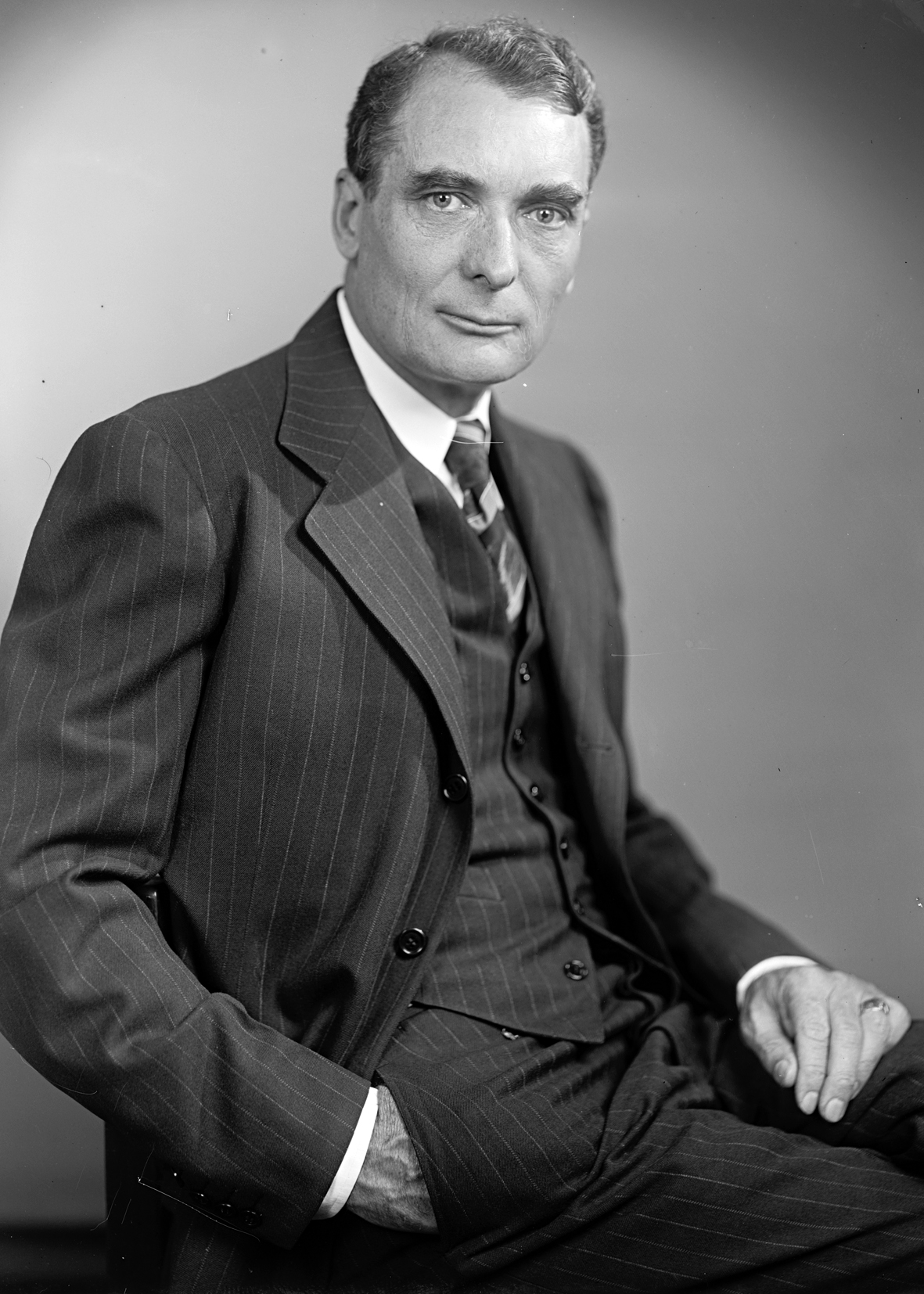
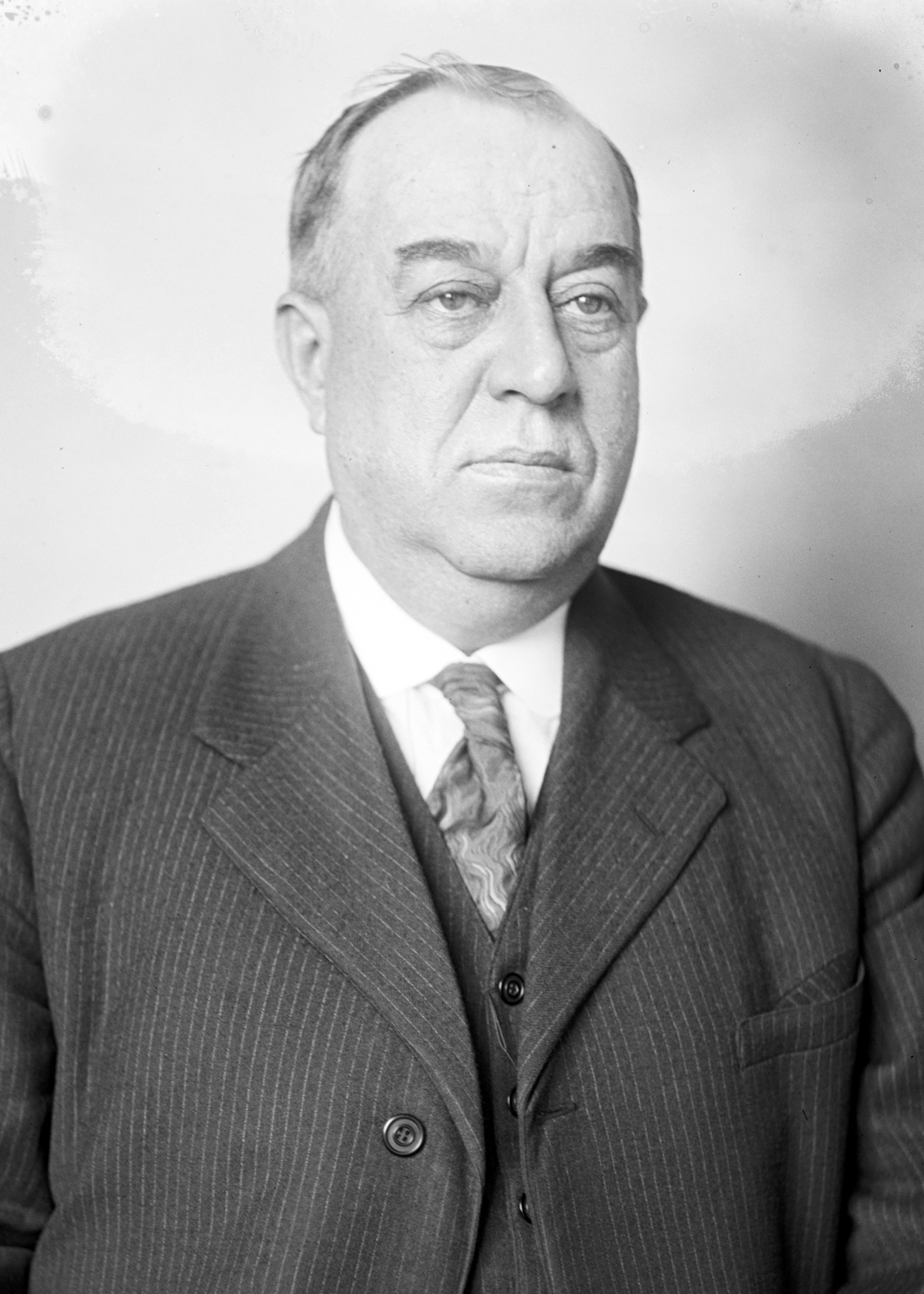
10 Images




Characteristics and composition
The district's geographic extent varied across decades as population shifts and political decisions altered lines. At different times it covered urban and rural areas, reflecting regional demographics, economic activity, and settlement patterns in Kansas. Its changing borders were determined by state legislatures and, occasionally, courts when redistricting disputes arose.
History and development
Established in the late 19th century, the 5th district was a product of Kansas' population growth and the apportionment rules of the period. Over the following century, the district participated in the regular cycle of reapportionment that follows each decennial U.S. census, which periodically adjusted the number and shape of districts nationwide.
Role and representation
As with any congressional district, the 5th served as the basic electoral unit for selecting a member of the House, connecting local constituents to federal legislation and services. Representatives from the district took part in national debates and sought federal resources for local projects, playing a part in Kansas' congressional delegation and regional political life.
Elimination and legacy
The district was eliminated effective with the congressional term that began in 1993 after reapportionment based on the 1990 census reduced Kansas' entitlement to House seats. Its territory was redistributed among the remaining districts, and since that change Kansas has been represented by fewer congressional districts. The history of the 5th illustrates how demographic change and reapportionment reshape political representation over time.
Notable facts
- The district existed for more than a century, from 1885 to 1993, reflecting long-term shifts in population and politics.
- Boundaries changed with each redistricting cycle, so historical studies rely on period maps and election records for precise detail.
- Research into former districts like the 5th is useful for understanding regional political history, electoral trends, and the practical effects of reapportionment.
Related articles
Author
AlegsaOnline.com Kansas's 5th congressional district Leandro Alegsa
URL: https://en.alegsaonline.com/art/52197
Sources
- web.archive.org : Congressional Biographical Directory of the United States 1774–present