
Kingdom of Poland (1917–1918)
Short-lived polity formed under Central Powers during World War I. Proclaimed after the Act of 5 November, it functioned as a client Regency Kingdom until power passed to Polish leaders during 1918 independence.
Overview
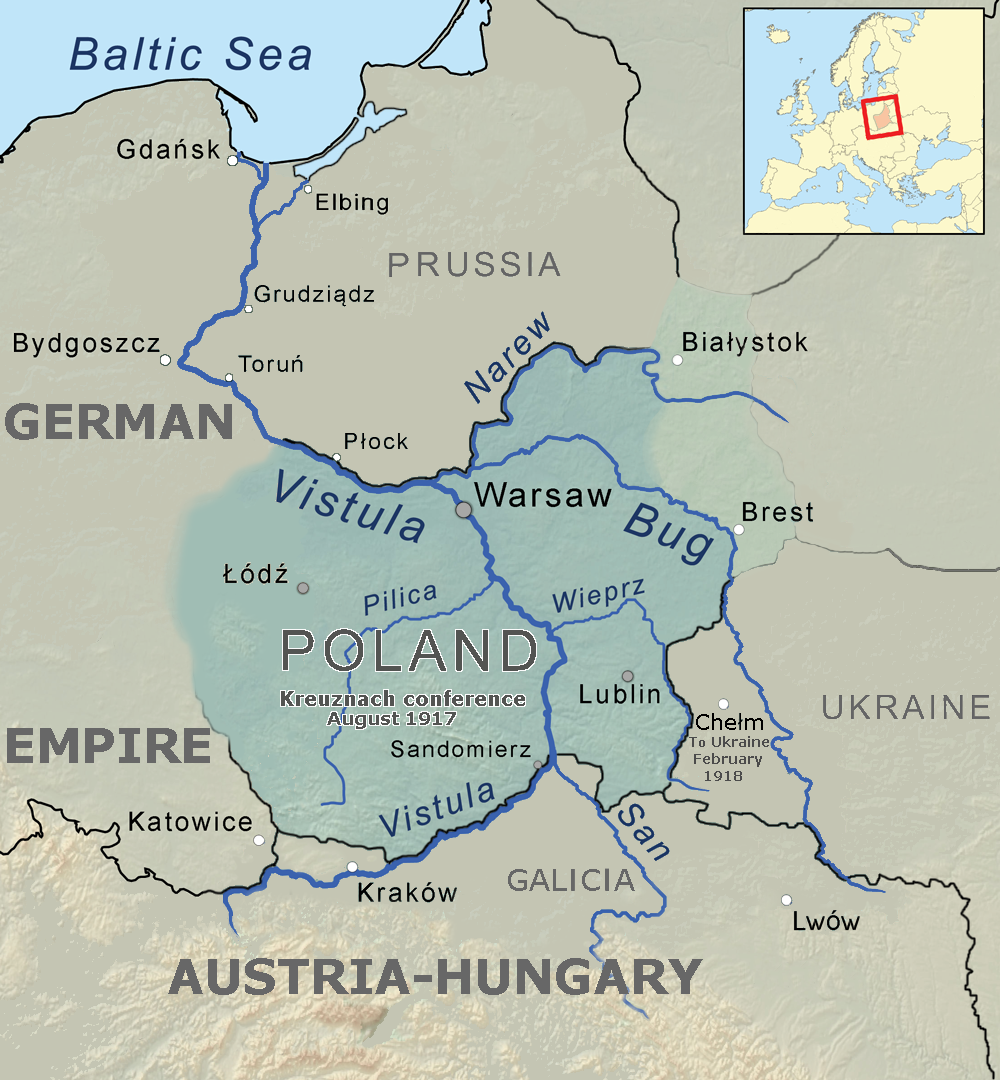
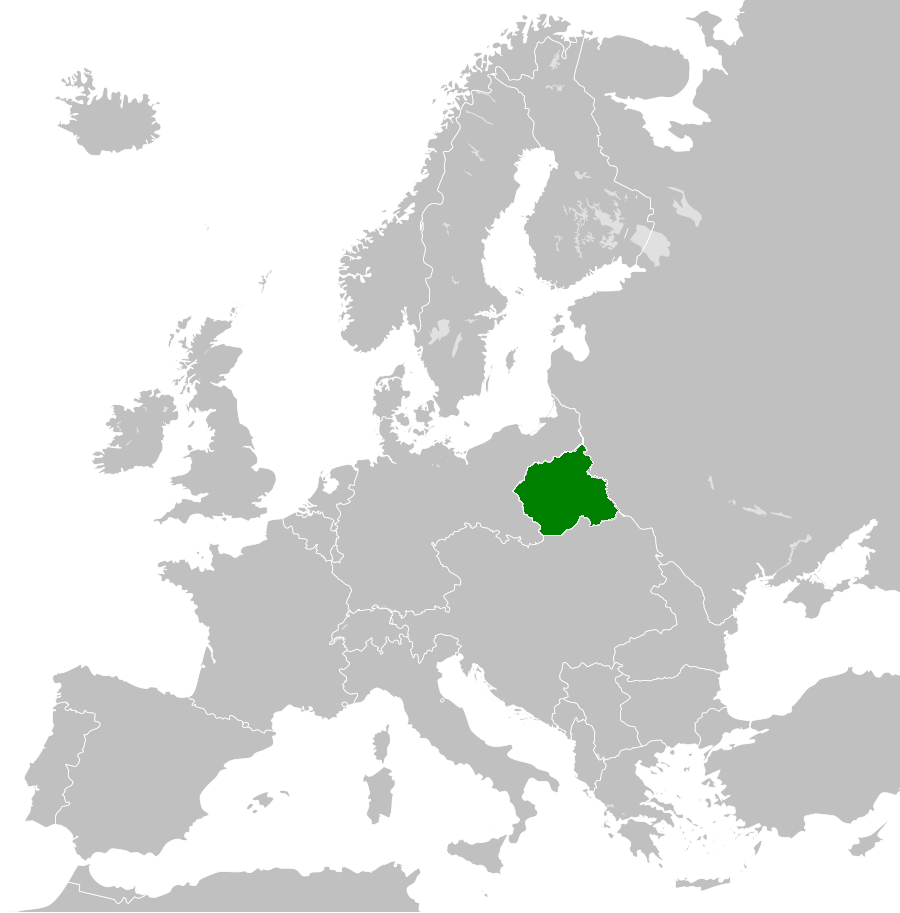
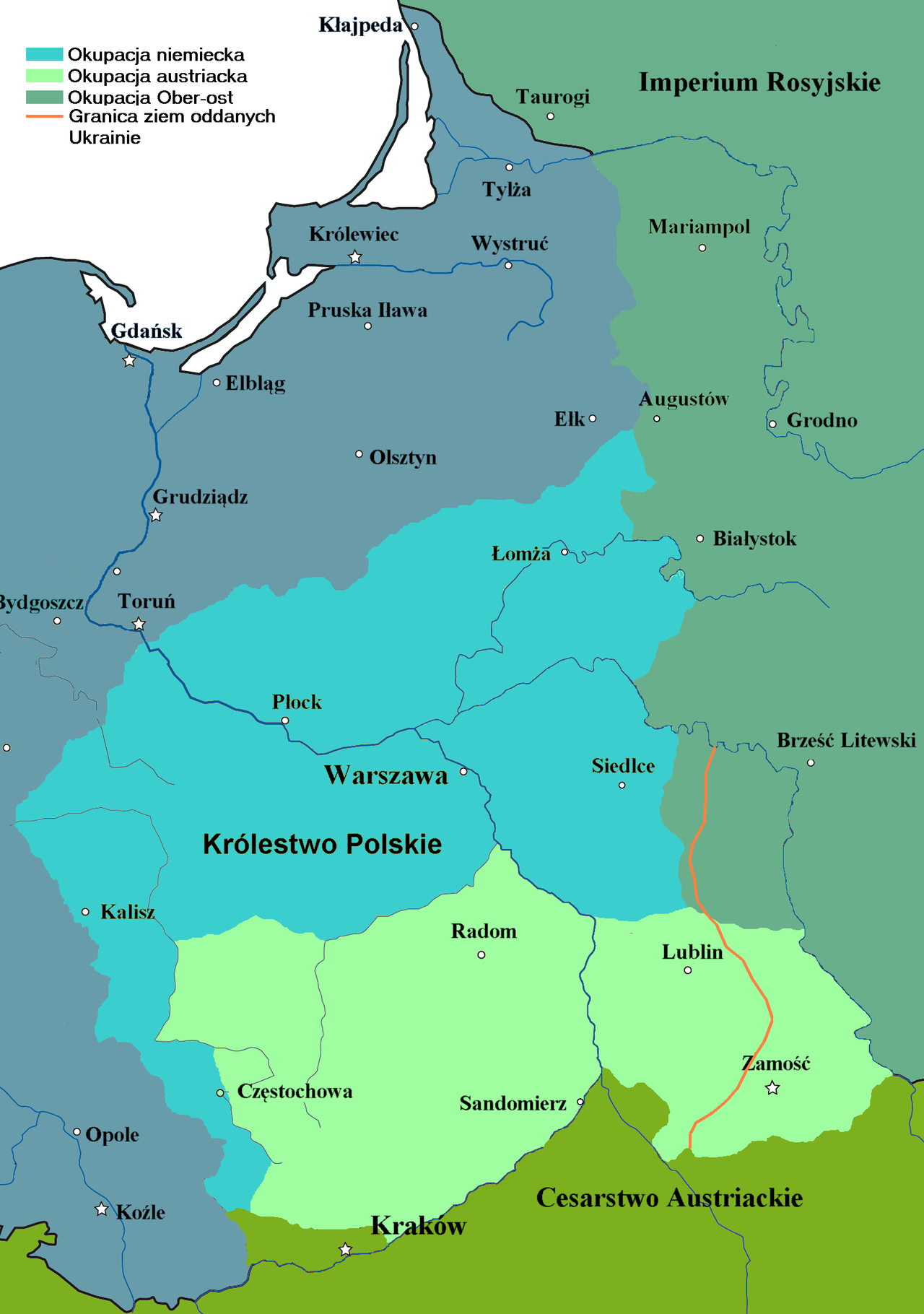
The Kingdom of Poland (1917–1918) refers to the provisional Polish polity established in the area occupied by the Central Powers during World War I. Announced by the Act of 5 November, it was created by Austria-Hungary and Germany as a nominally independent state intended to replace Russian rule in formerly partitioned Polish lands. In practice the arrangement served as a client or puppet state under the military and political influence of the occupying powers, especially the German Empire.
Image gallery
9 Images




Background and formation
The proclamation followed military advances into the Russian partition of Poland. The Act of 5 November (issued in 1916) declared the restoration of a Polish kingdom as part of Central Powers’ wartime diplomacy, designed to encourage Polish support and to recruit soldiers. Implementation moved slowly and was complicated by competing Austro-Hungarian and German aims, and by wartime developments.
Government and administration
Because no monarch accepted the throne, the new polity was administered by a Regency Council established in 1917. The council exercised limited civil authority on behalf of a notional king while the occupiers retained control of key decisions, economic requisitions, and military affairs. Attempts to form local institutions and to create Polish armed units were constrained by occupation policies and by the needs of the Central Powers.
Territory, reception and policies
Territorial scope broadly covered areas wrested from the Russian Empire, but precise boundaries and sovereignty were contested. The regime’s proposal to levy recruits and taxes provoked mixed reactions among Poles: some saw opportunity for state-building, others viewed it as collaboration. Polish political and military groups, including the Legions and emerging national leaders, navigated between cooperation and resistance.
Legacy and significance
Although short-lived, the Regency Kingdom played a transitional role. It created administrative structures and mobilized political debate that contributed to the re-emergence of an independent Polish state in late 1918. As the Central Powers collapsed, the Regency Council ceded authority to Polish national leaders; soon after, the Second Polish Republic was proclaimed and Poland regained sovereignty.
Notable facts
- No monarch ever took the throne; the Regency Council acted as a placeholder government.
- The creation was part of wartime diplomacy rather than a full expression of Polish self-determination.
- The Kingdom is distinct from earlier Napoleonic and Congress period Polish states and from the later Second Polish Republic.
Related articles
Author
AlegsaOnline.com Kingdom of Poland (1917–1918) Leandro Alegsa
URL: https://en.alegsaonline.com/art/53606