
Kamba people (Akamba) of Kenya
The Kamba, or Akamba, are a Bantu-speaking ethnic group of eastern Kenya (Ukambani), known for their language, crafts, oral traditions and role in the region's farming, trade and labour migration.
The Kamba (singular: Kamba; plural: Akamba) are a Bantu-speaking people of eastern Kenya. They form one of the country's larger ethnic communities and are concentrated in a semi-arid region commonly called Ukambani. The Kamba speak Kikamba as their mother tongue, which belongs to the larger Bantu language family and shows regional dialect variation.
Image gallery
5 Images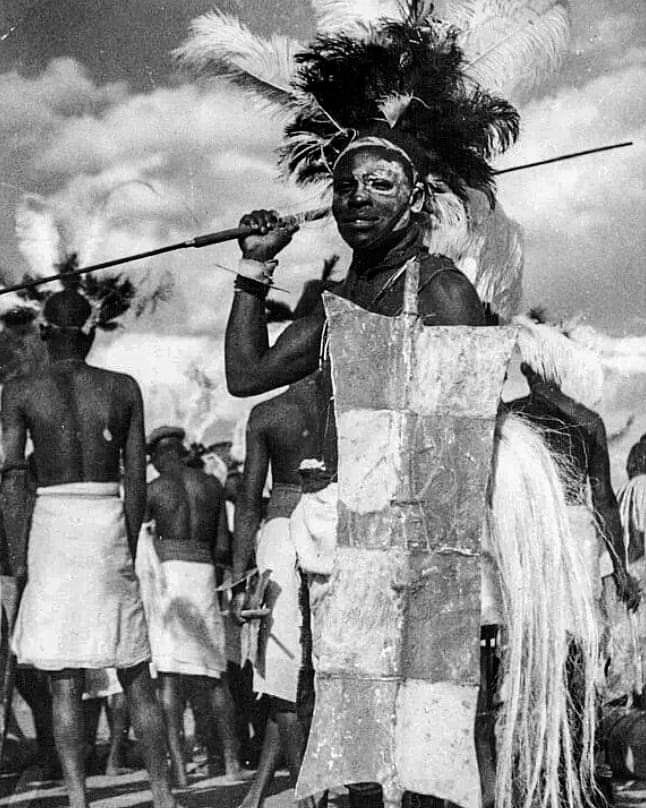


Where they live
Traditionally the Kamba occupy dry to semi-arid areas stretching east of Nairobi toward Tsavo and northward into the highlands around Embu. Today the core heartland covers what are now Machakos, Kitui and Makueni counties. Seasonal migration, urban work and a notable diaspora have also spread Kamba communities across Kenya and beyond.
Language and identity
Kikamba is central to Kamba identity. It is used in everyday life, storytelling and song, and has multiple local varieties linked to particular districts. Many Kamba are bilingual, using Swahili and English for wider communication while maintaining Kikamba in family and community settings. The people are sometimes referred to by alternate names derived from place or dialect, reflecting internal diversity.
Economy and livelihoods
Kamba livelihoods adapt to a semi-arid environment. Smallholder farming (maize, legumes, drought-resistant tubers), livestock keeping and charcoal-making have been important. Historically the Kamba were also known for long-distance trade and for seeking wage employment in towns and on the railways; this pattern of labour migration contributed to urban Kamba communities and ties with Nairobi and coastal centres.
Culture, arts and social life
Cultural life features rich oral traditions—songs, proverbs, folktales and naming practices that mark life-cycle events. The Kamba are widely recognized for wood carving, basketry, beadwork and other crafts that have both local and tourist markets. Music and communal dances play a role in ceremonies and celebrations, and traditional knowledge of herbal medicine and local ecology persists alongside modern health services.
History and contemporary issues
Over the last century the Kamba have experienced social change through colonial rule, independence and urbanization. Many became migrant workers during the colonial era, and today Kamba people participate in national politics, commerce and the professions. Challenges in their home region include variable rainfall and resource pressures; at the same time, remittances, education and craft enterprises contribute to household resilience.
Notable distinctions
- Ethnolinguistic classification: Bantu-speaking group; language is Kikamba (language family link).
- Region: core territory often called Ukambani in eastern Kenya (regional link).
- Reputation: skilled artisans and traders with strong oral and craft traditions.
These elements—language, craft, adaptation to semi-arid lands and widespread urban networks—help define the contemporary Kamba people within Kenya's multiethnic landscape.
Related articles
Author
AlegsaOnline.com Kamba people (Akamba) of Kenya Leandro Alegsa
URL: https://en.alegsaonline.com/art/52027