
Ansei era (1854–1860) — a turbulent phase of late Edo Japan
Ansei was the Japanese era from November 1854 to March 1860 during Emperor Kōmei's reign. Marked by foreign pressure, major earthquakes, and political repression, it helped shape the closing years of the Tokugawa shogunate.
Ansei (安政) is the Japanese era name that covered the period from November 1854 until March 1860. The era followed Kaei and preceded Man'en. The reigning sovereign during Ansei was Emperor Kōmei, while real political power remained with the Tokugawa shogunate. The era name itself is commonly translated as "tranquil government," a choice intended to invoke stability at a time when Japan faced growing internal and external challenges. For background on the system of Japanese era names, see nengō.
Although the opening of Japan to the West began shortly before Ansei, the period is often associated with the continuing foreign presence and unequal treaties that reshaped diplomatic and commercial relationships. Treaties negotiated in the late 1850s opened additional ports and established extraterritoriality, contributing to political debate and factionalism among daimyo, court nobles, and retainers of the shogunate.
Natural disasters gave the era additional notoriety. A sequence of powerful earthquakes and related tsunamis in the mid-1850s — commonly grouped under the name "Ansei earthquakes" — caused widespread destruction in several regions, including major shocks that struck in 1854 and the damaging Edo earthquake of 1855. These calamities aggravated social unrest, hampered economic recovery, and increased criticism of bakufu governance.
Domestic politics during Ansei were fraught. The shogunate struggled to manage the diplomatic fallout and internal opposition to its handling of foreign relations. In response to vocal critics and to challenges over shogunal succession and policy, senior officials carried out a campaign of arrests and dismissals known as the Ansei Purge. This suppression of dissent sharpened political divisions and set the stage for violent reprisals, including the assassination of a leading shogunate official in 1860.
Because the Ansei years combined foreign pressure, natural catastrophe, and political repression, historians view the era as a critical phase of the Bakumatsu (late shogunate) period. Developments during Ansei accelerated processes that ultimately led to the collapse of Tokugawa rule and the Meiji Restoration in the following decade. The era thus occupies an important place in narratives about Japan's rapid mid‑19th century transformation.
Image gallery
4 Images

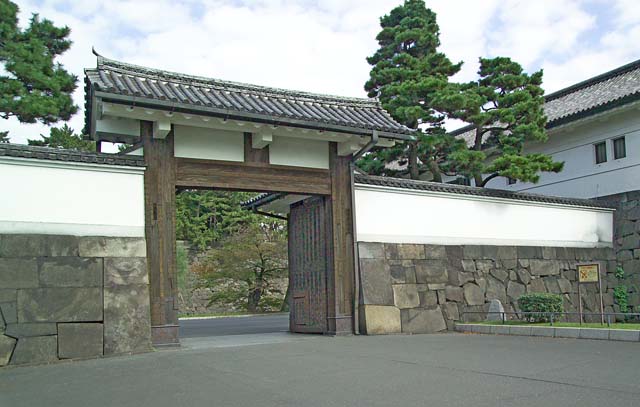
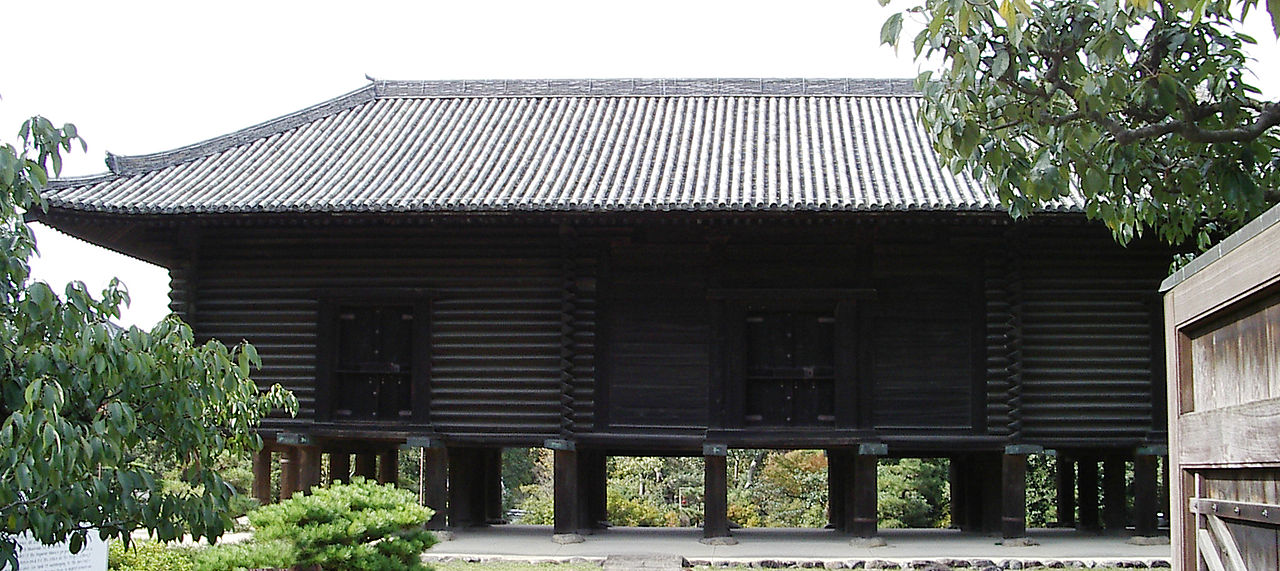
Notable events and themes
- Continuation of opening and treaty-making with Western powers, especially in the late 1850s.
- Cluster of major seismic events often called the Ansei earthquakes, with severe damage in multiple provinces.
- Political repression known as the Ansei Purge and rising assassination and samurai violence toward the end of the era.
- Economic strain and social unrest linked to disasters and diplomatic changes, contributing to the wider turmoil of the Bakumatsu.
The Ansei era is therefore remembered not for tranquility but for intense social, political, and environmental stresses that hastened Japan's passage from feudal isolation to rapid modernization. For introductions to related topics—era names, the preceding Kaei years, the subsequent Man'en, and the life of Emperor Kōmei—consult the linked entries and general histories of the late Edo period.
Related articles
Author
AlegsaOnline.com Ansei era (1854–1860) — a turbulent phase of late Edo Japan Leandro Alegsa
URL: https://en.alegsaonline.com/art/4522
Sources
- books.google.com : "Ansei"
- books.google.com : "Kōmei Tennō,"
- books.google.com : Japan 1853-1864, Or, Genji Yume Monogatari, p. 11.
- historycooperative.org : "Shaking up Japan: Edo Society and the 1855 Catfish Picture Prints"
- ngdc.noaa.gov : NOAA/Japan "Significant Earthquake Database"
- books.google.com : Local agrarian societies in colonial India: Japanese perspectives.