
Kutch district (Kachchh) — largest district of Gujarat, India
Kutch (Kachchh) is a vast arid district in western India, noted for the Rann salt marshes, distinctive Kutchi culture and crafts, coastal ports, and its borderland geography. Headquarters: Bhuj.
Overview
Kutch (also spelled Kachchh) is a large district in the western Indian state of Gujarat. Known locally in Gujarati: કચ્છ, it covers an area of about 45,612 km² and is the largest district in Gujarat and one of the largest in India. The district's administrative headquarters is the town of Bhuj.
Image gallery
10 Images


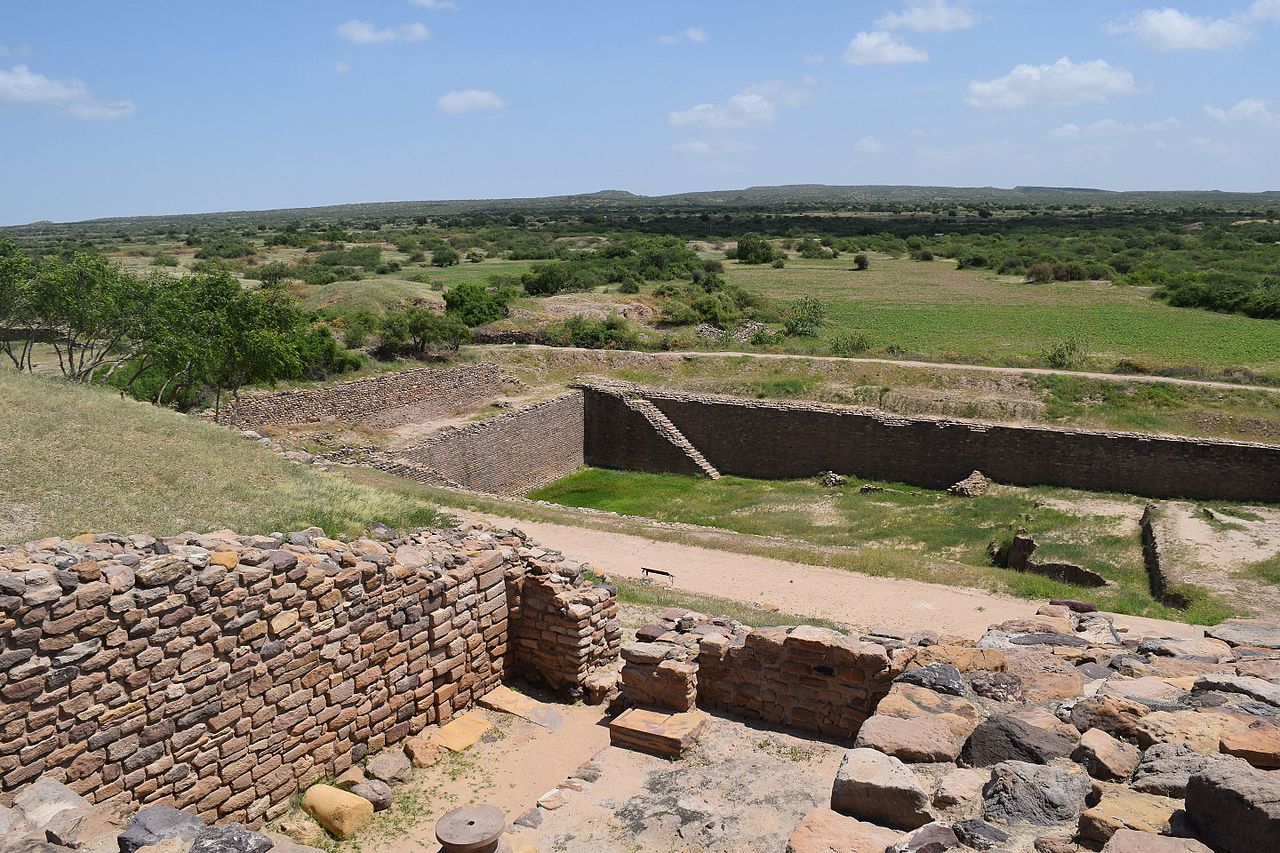
Geography and environment
Kutch occupies a varied frontier zone that includes the saline flats of the Great Rann of Kutch, the smaller Little Rann, stretches of arid plain, coastal shoreline and several islands in the Arabian Sea. The landscape alternates between seasonal salt marshes that flood during the monsoon and hard, dry ground in the dry season. The region experiences an arid climate with strong seasonal winds, and has both important wetlands for migratory birds and fragile desert ecosystems.
History and development
For centuries Kutch has been a crossroads of maritime and overland trade. It was administered for long periods by local rulers and later existed as a princely territory before integration with the modern Indian state — a background sometimes summarized by references to its status as a formerly independent region. Historical port towns such as Mandvi served trade links across the Arabian Sea and influenced local architecture and culture.
Culture, economy and livelihoods
Kutch is noted for a rich material culture and diverse livelihoods. Traditional crafts and textiles — including intricate embroidery, mirrorwork and bandhani resist-dyeing — are internationally recognised and form a major part of the district's cultural identity. Key economic activities include:
- Salt production and fishing along the coast.
- Handicrafts, textile production and small-scale cottage industries.
- Port-related trade and industry around Kandla and other harbours.
- Pastoralism on the Banni grasslands, where herding communities maintain distinctive practices.
Tourism has grown around attractions such as the Rann Utsav festival, wildlife viewing (including the wild ass sanctuary near the Little Rann), and cultural tourism focused on crafts and villages.
Administration, people and languages
The district is administratively divided into sub-districts and talukas; its population includes a mix of communities such as Kutchi, Gujarati, Sindhi and various tribal groups. Local speech includes Kutchi and Gujarati, with several dialects reflecting the region's history of trade and migration. Transportation links combine road, rail and port facilities that connect inland Gujarat with maritime routes.
Notable facts and significance
Kutch is distinctive for its sheer size within the state, its vast seasonal salt marshes, and its location along an international border, which shapes strategic and economic considerations. The district has also been the focus of ecological conservation and post-disaster reconstruction efforts following major earthquakes in recent decades. Its combination of unique landscapes, living craft traditions and coastal industry makes Kutch an area of both cultural importance and environmental sensitivity.
For further regional information and administrative details see local government and cultural resources: Gujarati language resources, historical overviews, and general state references at Gujarat.
Related articles
Author
AlegsaOnline.com Kutch district (Kachchh) — largest district of Gujarat, India Leandro Alegsa
URL: https://en.alegsaonline.com/art/51855