
Jukebox: coin-operated music player and cultural icon
A jukebox is a partly automatic, coin-operated music player that selects and plays recorded songs. This article covers its design, history, cultural role, decline, and modern revivals.
Overview
A jukebox is a public, partly automatic musical player that lets listeners choose and play recorded songs on demand. Historically found in bars, diners and social halls, jukeboxes operate by selecting a track from a store of physical or digital media and playing it through built-in amplification. Early and mid-20th-century machines became symbols of popular culture and social gathering.
Image gallery
9 Images





Design and components
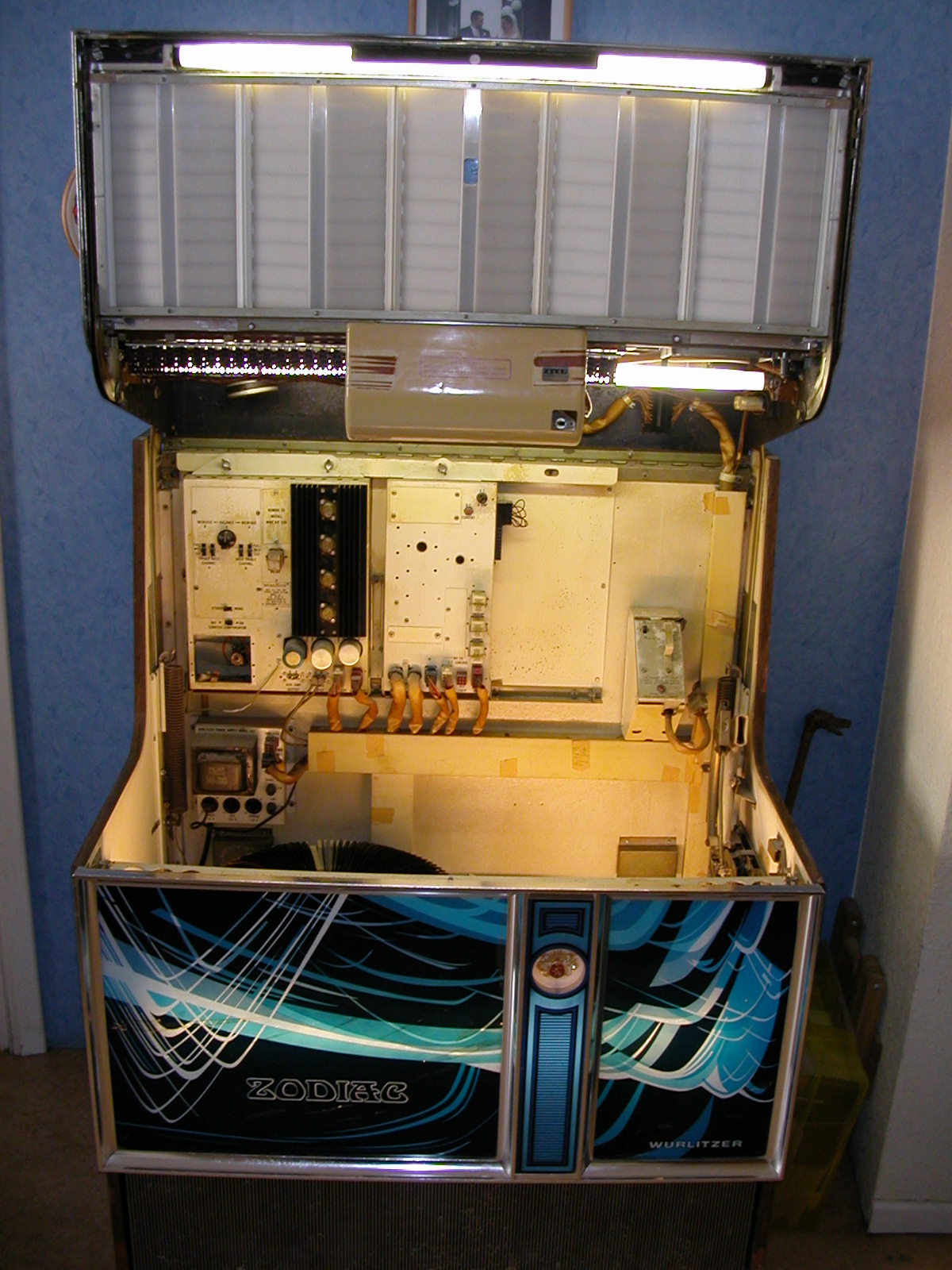
At their core, jukeboxes combine a selector mechanism, a storage medium, amplification, and user controls. Common elements include:
- Selector panel or dial where patrons choose a song.
- Storage for records, CDs, or digital files and the mechanical or electronic system that accesses them.
- Amplifier, speaker cabinets and decorative cabinetry that often define the machine's look.
- A payment mechanism, historically coin-operated, that activates play.
Different manufacturers created varied mechanisms: some used rotating record carousels, others robotic arms to change discs, and later models relied on solid-state memory.
History and development
The jukebox evolved from earlier automated music machines such as phonographs and nickelodeons. The specific term "jukebox" gained popular usage around the 1940s, though conceptually similar selection devices predated that word. As recording formats changed—from 78 rpm records to 45s, LPs, CDs and finally digital files—jukebox mechanisms were adapted to hold and present new media.
Uses and cultural importance
Jukeboxes shaped social spaces by allowing patrons to control background music and share favorite songs. They influenced popular taste, helped promote records and provided a soundtrack to nightlife and youth culture in the 20th century. Collectors and museums now preserve many classic examples for their design and nostalgic value.
Decline, digital transition and modern revivals
From the late 20th century onward, jukeboxes declined as portable digital audio players and online streaming became dominant. These technologies offered far larger libraries, ease of access and personal listening. Modern commercial and home jukeboxes often use digital storage and networked song libraries while retro-styled cabinets recreate the classic aesthetic for enthusiasts.
Notable facts and further reading
Important distinctions include the difference between purely mechanical selectors and contemporary digital interfaces, and between coin-operated public units and home entertainment versions. For technical summaries and manufacturer histories consult resources such as industry overviews, restoration guides at collector sites, and archival articles on early automated music machines at historical repositories. For information on coin mechanisms see payment and vending studies. For context about the shift to modern media, see discussions of digital audio players at digital audio histories and the impact of online streaming at music on the internet.
Related articles
Author
AlegsaOnline.com Jukebox: coin-operated music player and cultural icon Leandro Alegsa
URL: https://en.alegsaonline.com/art/51473