
Jujuy Province (Argentina)
Jujuy is Argentina's northwestern province, bordering Bolivia and Chile. It features high Andean plateaus, fertile valleys, salt flats and rich indigenous culture; economy centers on agriculture, mining and tourism.
Overview
Jujuy is a province in the extreme northwest of Argentina. It shares international borders with Chile to the west and Bolivia to the north, and links Andean highlands with lower subtropical valleys. The provincial capital is San Salvador de Jujuy, which serves as the main administrative and commercial center.
Image gallery
10 Images



Geography and landscapes
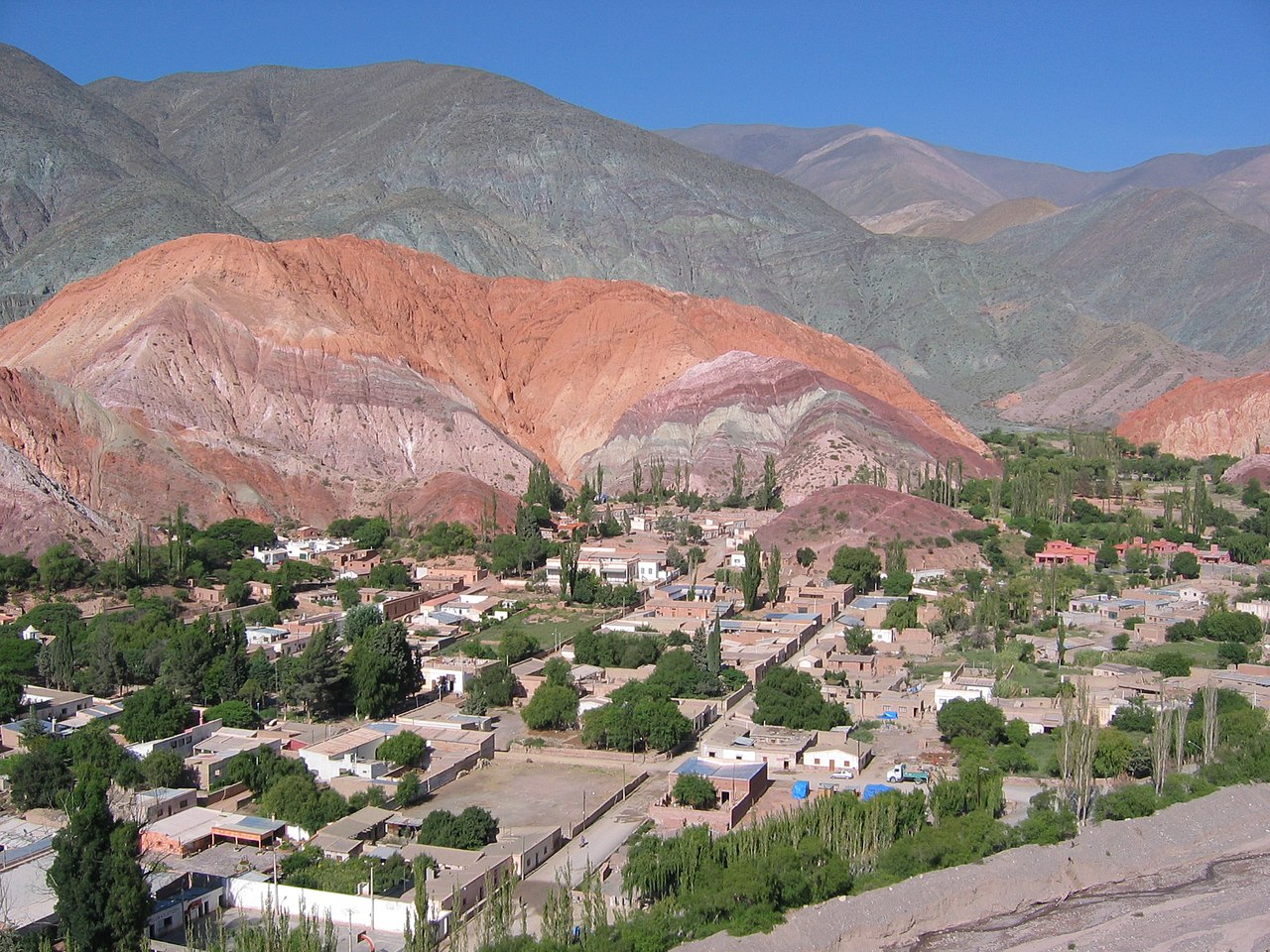
The province encompasses a dramatic range of landscapes: arid high plateaus (the puna), steep mountain valleys, cloud-forested Yungas, and extensive salt flats. One of the most famous corridors is the Quebrada de Humahuaca, a narrow mountain valley carved by the Grande River that is noted for its striking rock formations and cultural heritage.
History and culture
Jujuy has been home for centuries to indigenous peoples, including Quechua and Aymara-speaking communities, whose traditions remain visible in language, crafts and festivals. The region experienced Spanish colonial rule and later played roles in Argentina's independence movements. Local music, dance and religious festivals combine indigenous and Spanish elements, giving the province a distinctive cultural identity.
Economy and uses
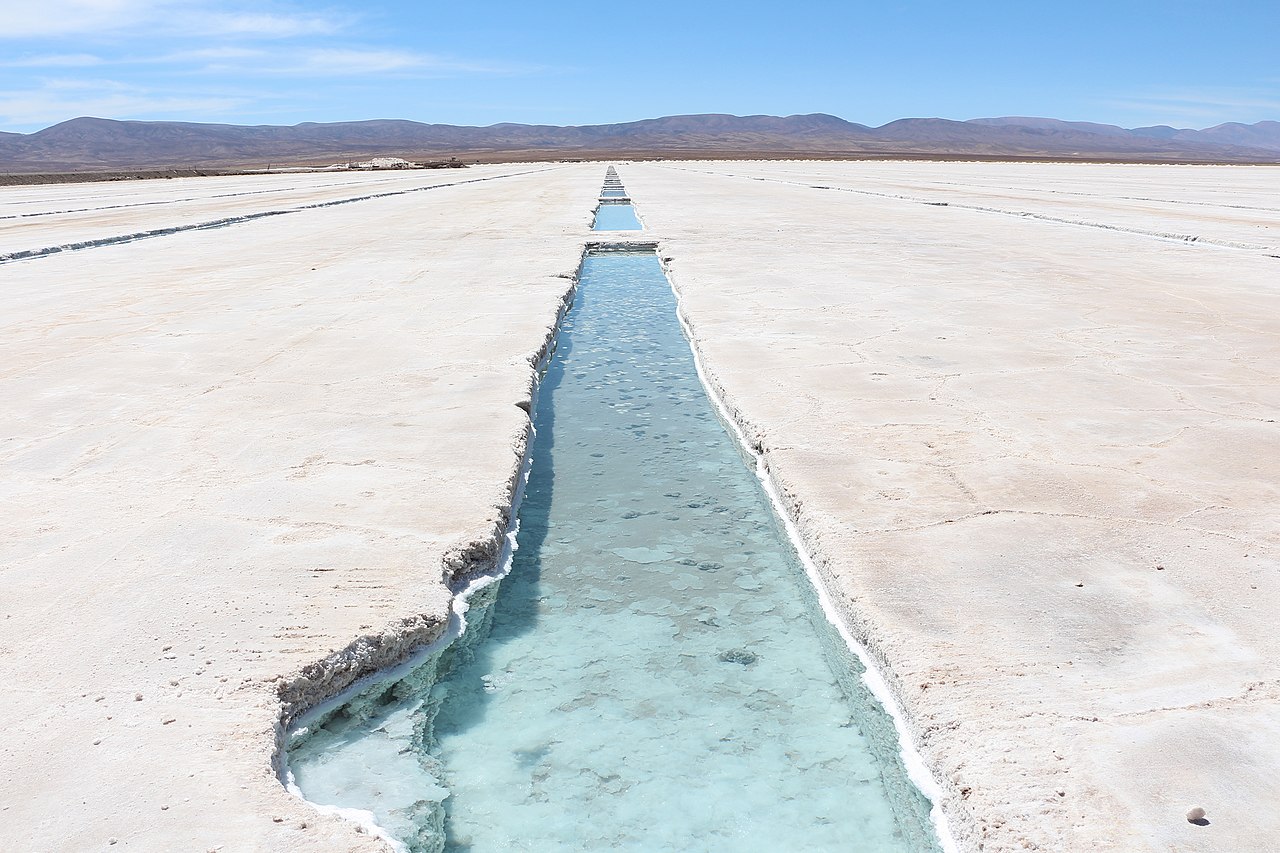
The provincial economy is diverse: valley agriculture produces sugarcane, fruits and other crops; the highlands yield mineral resources and salts. Jujuy lies within the broader South American "Lithium Triangle," making salt flats and brine deposits important for lithium exploration and extraction. Tourism is also significant, driven by scenic routes, historical sites and outdoor activities such as trekking and birdwatching.
Notable places and distinctions
- Quebrada de Humahuaca — a culturally important valley recognized for its archaeological sites and colorful geology.
- Purmamarca and the Cerro de los Siete Colores — small towns famous for their mountain bands of color.
- Salinas Grandes — extensive salt flats used historically for salt and now important for mineral exploration.
- Yungas forests — biodiverse, subtropical cloud forests on the eastern slopes of the Andes.
Visitors and researchers are drawn to Jujuy for its combination of natural variety and living cultural traditions. Conservation efforts, infrastructure development and sustainable tourism initiatives are ongoing priorities as the province balances economic growth with protection of its landscapes and communities.
Related articles
Author
AlegsaOnline.com Jujuy Province (Argentina) Leandro Alegsa
URL: https://en.alegsaonline.com/art/51471
Sources
- 200.51.91.231 : 200.51.91.231/censo2010/