
Jura (department)
Jura is a department in eastern France, named for the Jura mountains. Noted for forested plateaus, vineyards (Vin Jaune, Vin de Paille), Comté cheese, watchmaking heritage and regional parks. Prefecture: Lons-le-Saunier.
Overview
The Jura is a French department located in eastern France. It belongs to the administrative area of Bourgogne-Franche-Comté and is often described by reference to the mountain chain that gives it its name. The territory combines wooded highlands, limestone plateaus and agricultural plains with river valleys and karst features. The department's largest town is Dole, while the administrative prefecture or capital is Lons-le-Saunier.
Image gallery
10 Images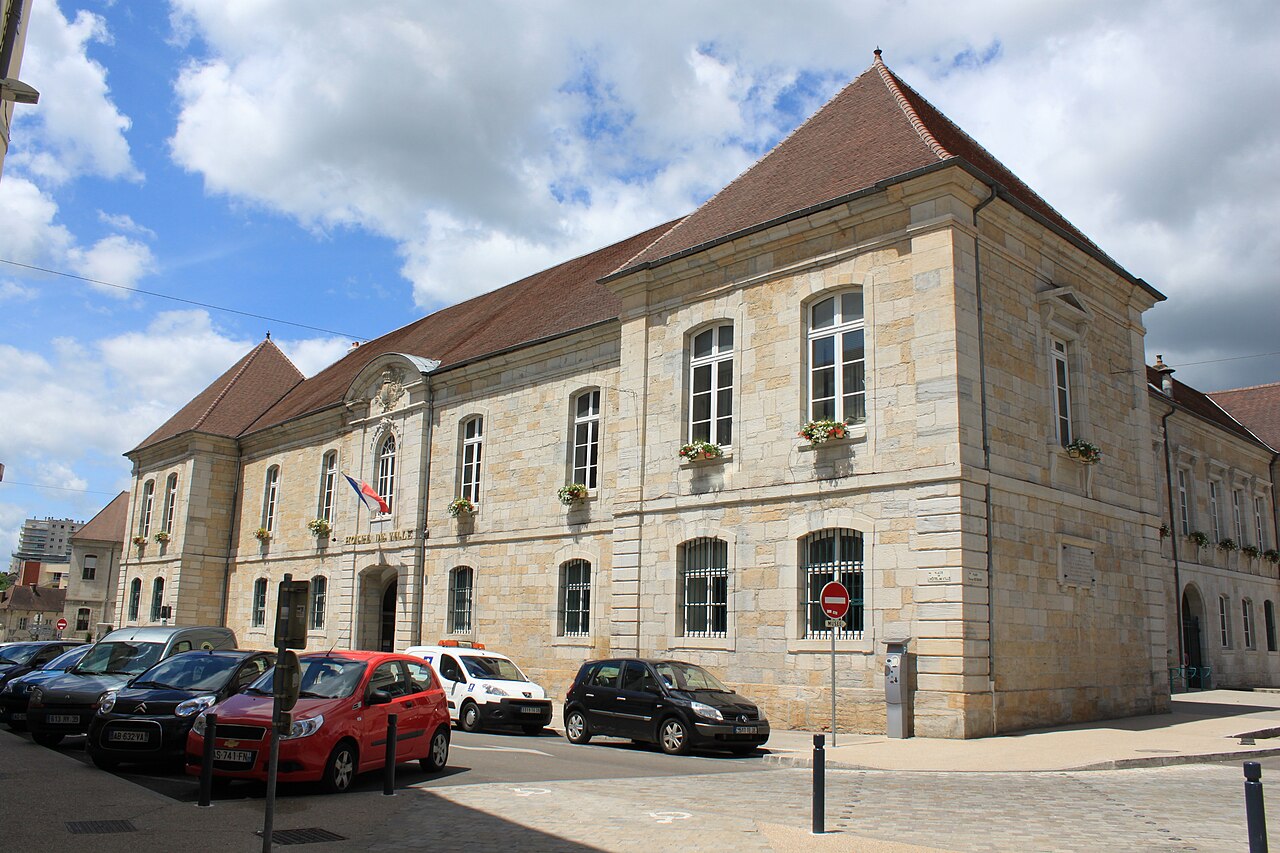



Geography and nature
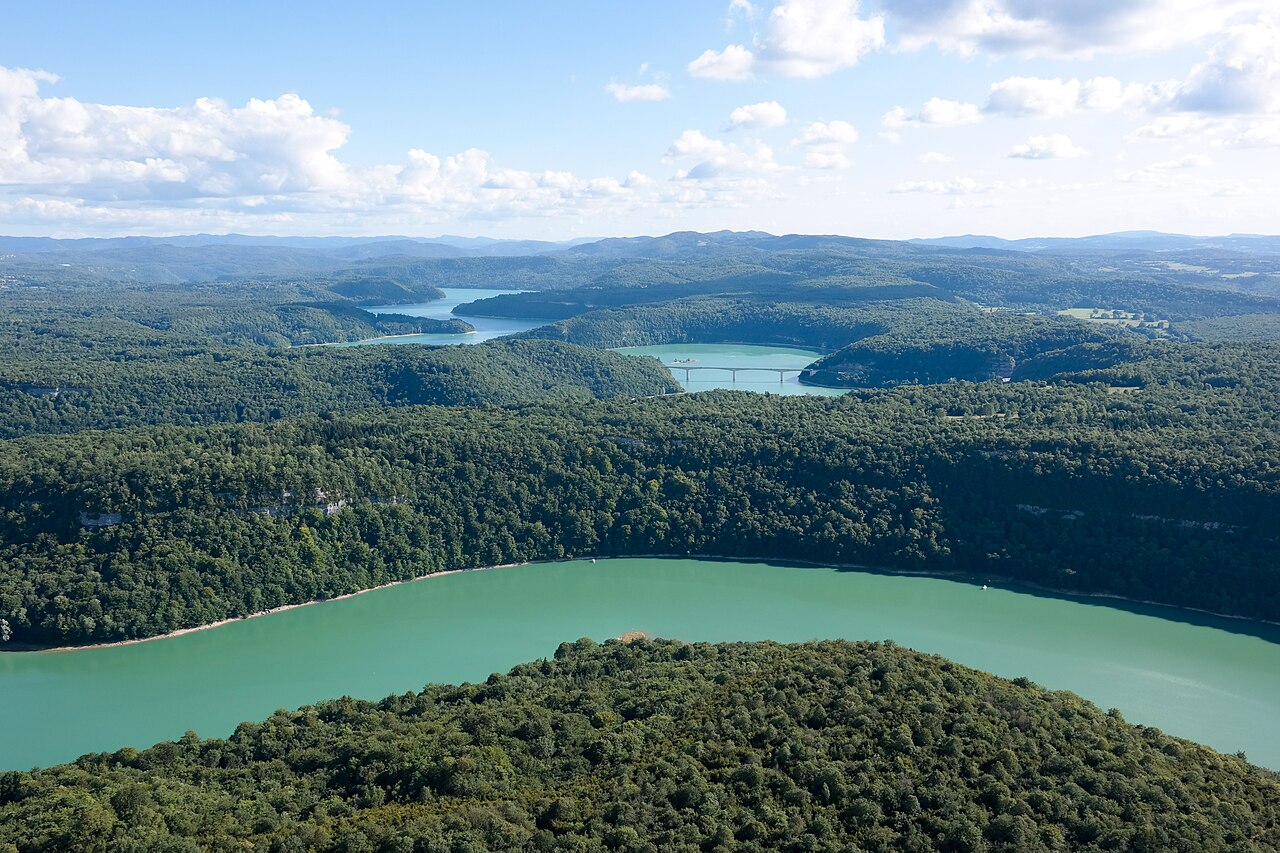
Jura's landscape ranges from rolling vineyard-covered hills at lower elevations to higher, forested massifs and mountain pastures. The area includes parts of the Haut-Jura and features lakes, waterfalls and karst caves. A number of protected zones and a regional natural park support biodiversity and attract outdoor activities such as hiking, cross-country skiing and cycling. The continental-influenced climate brings cold winters in the highlands and warm summers in the lowlands.
History and administration
The department was established during the territorial reorganisation of the French Revolution. Administratively it is subdivided into arrondissements and communes; the main urban centres include Lons-le-Saunier, Dole and Saint-Claude. Historically the area has been shaped by its position near the Swiss border, with longstanding links in trade, industry and cultural exchange.
Economy, products and culture
The local economy blends agriculture, forestry, artisanal and precision industry, and tourism. Jura is widely known for Comté cheese and for distinct local wines such as Vin Jaune and Vin de Paille. There is a notable watchmaking and precision-mechanics tradition that overlaps with neighbouring regions of France and Switzerland. Rural markets, local festivals and gastronomy trails are important to cultural life and to visitors.
Tourism and points of interest
- Natural attractions: lakes, waterfalls and the Parc naturel régional du Haut-Jura.
- Outdoor recreation: hiking routes, winter sports at small resorts, cycling and nature observation.
- Heritage and towns: historic centres, artisan workshops, dairy cellars and food routes that highlight local producers.
For administrative details, tourism planning and current events consult official regional and local sources such as the regional overview and municipal portals. Practical visitor information is available from town halls and departmental tourism offices in larger centres like Dole and Lons-le-Saunier.
Questions and answers
Q: Where is Jura located in France?
A: Jura is located in the east of France.
Q: In which region of France is Jura located?
A: Jura is located in the Bourgogne-Franche-Comté region of France.
Q: What is Jura named after?
A: Jura is named after the Jura mountains.
Q: What is the largest city in Jura?
A: The largest city in Jura is Dole.
Q: Which city serves as the prefecture or capital of Jura?
A: Lons-le-Saunier serves as the prefecture or capital of Jura.
Q: What kind of region is Bourgogne-Franche-Comté?
A: Bourgogne-Franche-Comté is a region in eastern France known for its vineyards and traditional cuisine.
Q: What is the main attraction of Jura?
A: The main attraction of Jura is the Jura mountains, which offer opportunities for hiking, skiing, and other outdoor activities.
Related articles
Author
AlegsaOnline.com Jura (department) Leandro Alegsa
URL: https://en.alegsaonline.com/art/51706
Sources
- jura.fr : "Les élus et commissions"
- insee.fr : "Département du Jura (39)"
- insee.fr : "Populations légales 2014: Recensement de la population - Régions, départements, arrondissements, cantons et communes"
- splaf.free.fr : "Historique du Jura"
- peakbagger.com : "Crêt Pela, France/Spain"
- insee.fr : "Département du Jura (39)"
- insee.fr : "Régions, départements, arrondissements, cantons et communes"
- insee.fr : "Département du Jura (39)"
- legifrance.gouv.fr : "Décret n° 2014-165 du 17 février 2014 portant délimitation des cantons dans le département du Jura"