
Genryaku era (1184–1185)
Genryaku (元暦) was a Japanese era name spanning April 1184 to August 1185, a short period marked by the closing phase of the Genpei War and the overthrow of the Taira at Dan-no-ura.
Overview
Genryaku (元暦) is a Japanese era name (nengō) that ran from April 1184 through August 1185. It followed the Juei era and preceded Bunji. Era names are used in Japan to mark periods of imperial reign or significant events; Genryaku is most often noted for coinciding with the decisive final stages of the Genpei War, the civil conflict between the Taira and Minamoto clans.
Image gallery
3 Images

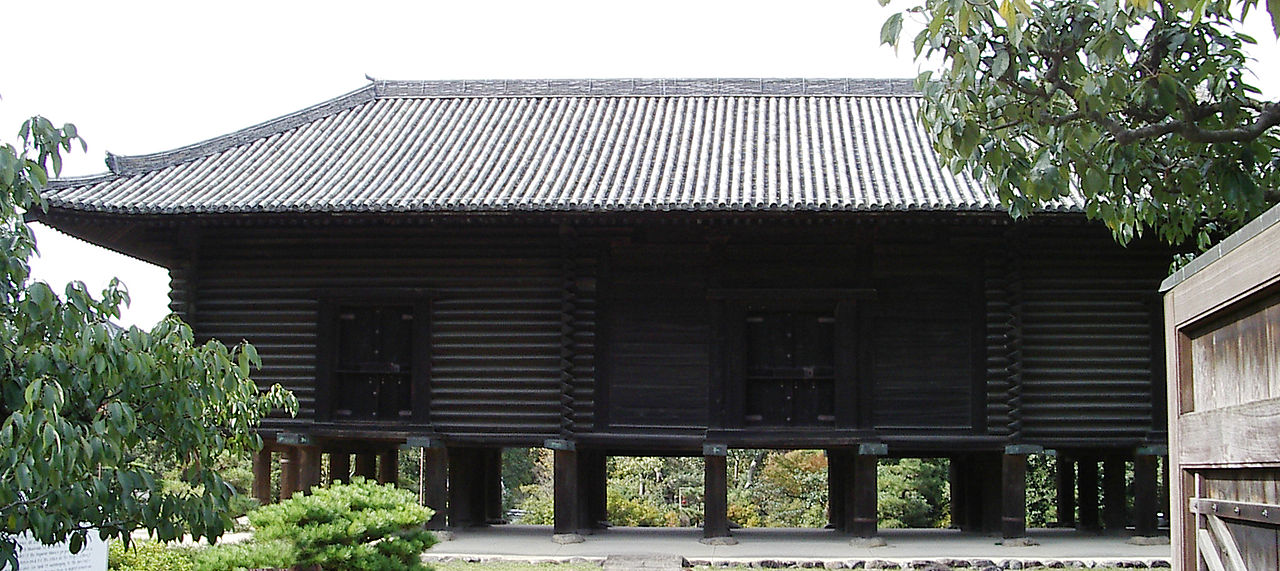
Historical context and major events
Genryaku falls within a turbulent decade when rival court factions and military houses vied for power. The period includes the naval Battle of Dan-no-ura in 1185, where forces of the Minamoto defeated the Taira. That battle resulted in the collapse of the Taira political position and the death of several leading figures. These events paved the way for the rise of Minamoto no Yoritomo and the eventual establishment of the Kamakura shogunate later in the century.
Emperors and succession
During Genryaku the court recorded two emperors: Emperor Antoku and Emperor Go-Toba. The conflict of the time produced competing claims and shifting control of the capital and imperial regalia. The instability of imperial succession during this era reflected broader military and political realignments across the country.
Notable points
- Era placement: Genryaku succeeded Juei and preceded Bunji.
- Institutional note: The era name follows the traditional nengō practice used by Japanese courts to mark years.
- Principal figures: Emperor Antoku and Emperor Go-Toba are recorded as reigning during this span.
- Military turning point: The defeat of the Taira at Dan-no-ura in 1185 is the period's best-known event.
Although brief, the Genryaku era is remembered for its role in ending one era of courtly-military dominance and ushering in the military-led governance that would shape medieval Japan. For readers seeking more detail on imperial chronology, military conflict, and the system of era names, the linked entries provide starting points for further research.
Related articles
Author
AlegsaOnline.com Genryaku era (1184–1185) Leandro Alegsa
URL: https://en.alegsaonline.com/art/38066
Sources
- books.google.com : "Genryaku"
- books.google.com : Annales des empereurs du Japon, pp. 207-221
- books.google.com : Gukanshō
- kunaicho.go.jp : 安徳天皇 (81)