
Joy Laville — English-born Mexican painter (1923–2018)
Joy Laville was an English-born artist who built her career in Mexico. She is known for luminous, spare paintings and occasional sculpture that evoke solitude, quiet landscapes, and simplified forms.
Overview
Joy Laville (September 8, 1923 – April 13, 2018) was an English-born artist whose professional life and reputation were largely formed in Mexico. Though born and raised in England, she moved to Mexico to study art and spent most of her career there, becoming closely associated with Mexican art circles. Her work is remembered for a calm, contemplative mood, restrained palettes, and compositions that often emphasize empty space and horizon lines.
Image gallery
3 Images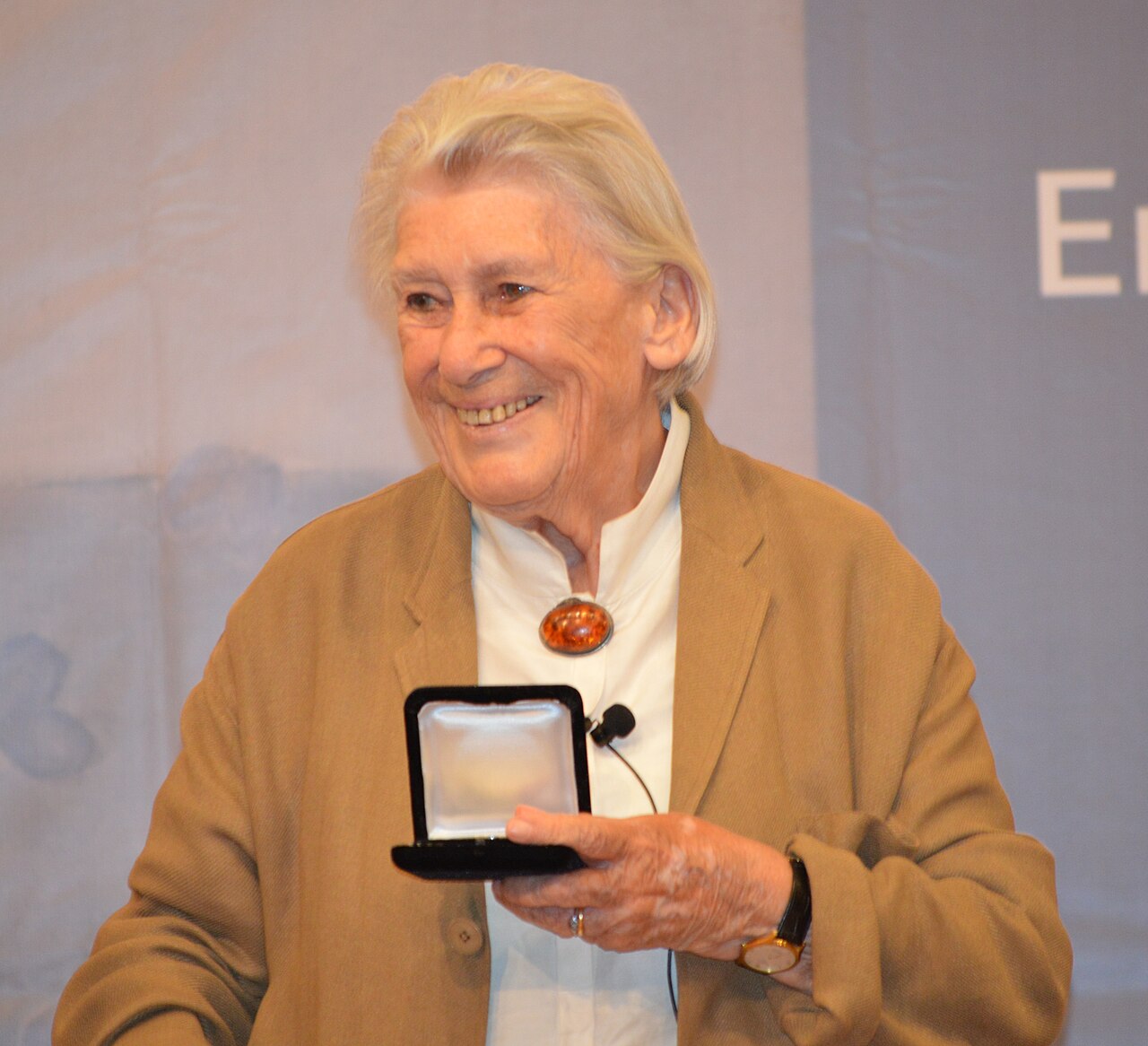

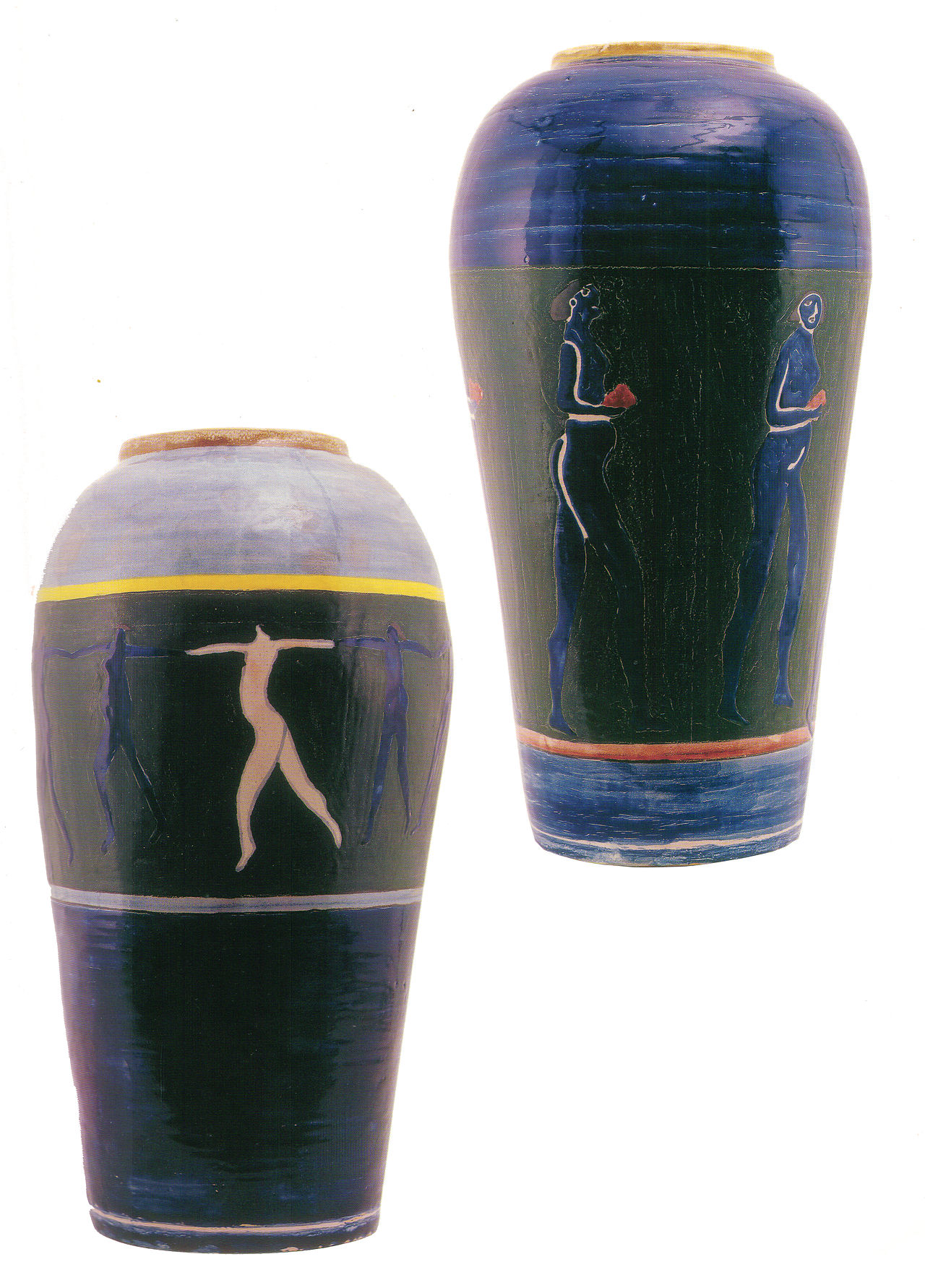
Style and recurring themes
Laville’s paintings are usually noted for their serenity and clarity. Critics and viewers have pointed to recurring motifs such as solitary figures, seascapes, small boats, birds, and quiet interiors. Her approach simplifies form and flattens perspective in ways that highlight color, light, and emotional tone rather than narrative detail.
- Color: soft, luminous tones; frequent use of pastels and pale blues.
- Composition: large areas of unfilled space, horizontal divisions, lone elements.
- Mood: introspective, melancholic, yet often tranquil and uplifting.
Materials and techniques
Laville worked across several media. Painting in oils and watercolors makes up the bulk of her output, but she also produced three-dimensional works and occasional illustrations. Her surfaces tend toward smoothness and careful layering, with an emphasis on light effects rather than textured brushwork.
Life and career
Laville’s formal art education included studies in San Miguel de Allende, where many foreign and Mexican artists studied and taught. After relocating to Mexico she established herself through exhibitions, commissions, and participation in local artistic life. The particular quality of Mexican light and landscape is often cited as a shaping influence on her palette and subject choices. She continued to paint over many decades and retained an active presence in Mexican cultural life until her death in 2018.
Legacy and recognition
Although not limited to a single movement, Laville’s work is frequently discussed alongside other 20th-century Mexican and expatriate artists who explored simplified form and personal mythology. Her paintings are held in private and public collections and continue to be shown in retrospectives and gallery exhibitions. For more on her connection to Mexico and the artistic community that nurtured her career, see Mexico.
Related articles
Author
AlegsaOnline.com Joy Laville — English-born Mexican painter (1923–2018) Leandro Alegsa
URL: https://en.alegsaonline.com/art/51318
Sources
- doi.org : 10.2307/1358204
- eluniversal.com.mx : Joy Laville, la pintora mexicana que vino de Inglaterra