
Jowzjan Province: geography, people, history and economy
Jowzjan is a northern Afghan province with capital Sheberghan. This article summarizes its geography, people, history, economy, administration and notable facts.
Overview
Jowzjan (Persian: جوزجان; Turkmen: جوْزجن) is one of Afghanistan's northern provinces. Its administrative centre is Sheberghan, a regional market and transport hub. The province lies near Afghanistan's border with Turkmenistan and forms part of the broader northern plains that link Central Asia with the Afghan interior (Afghanistan).
Image gallery
3 Images

Geography and climate
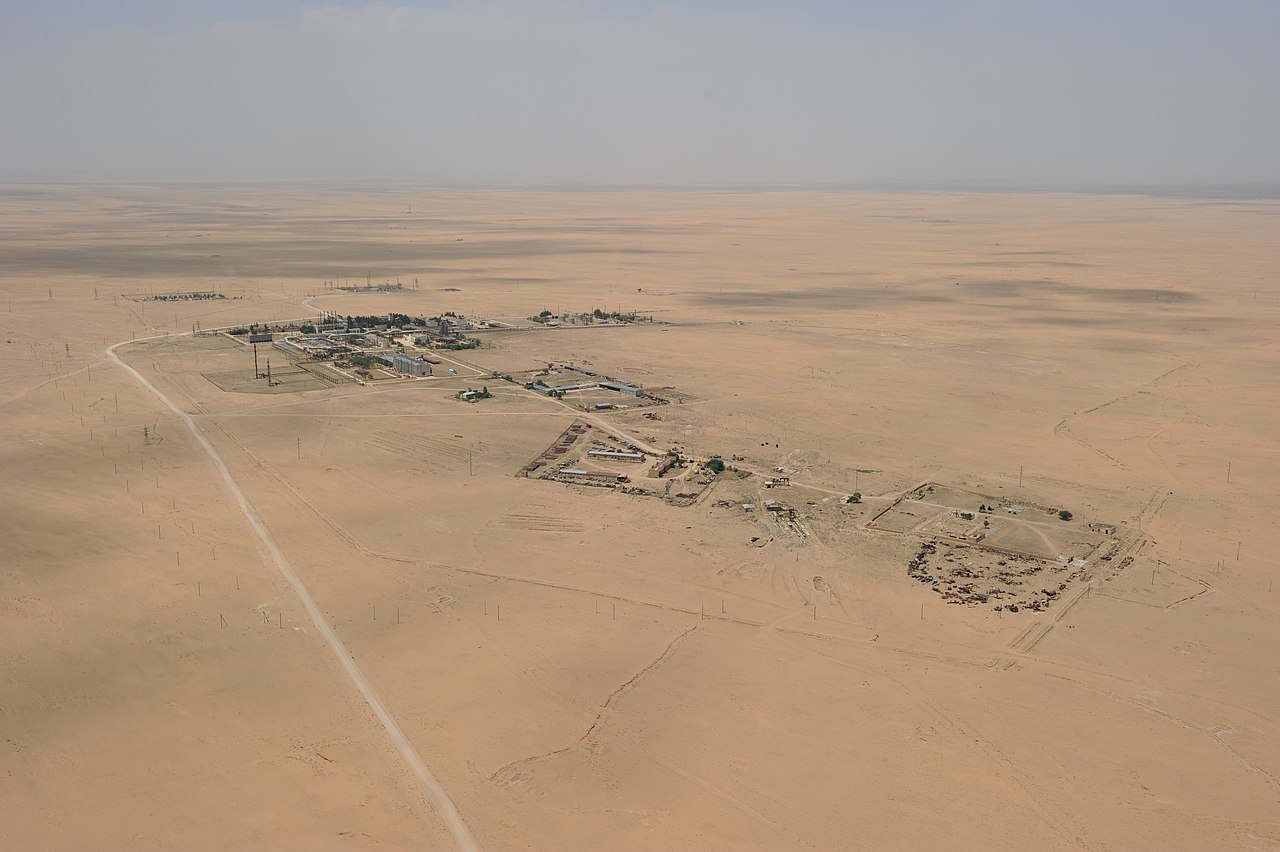
Terrain in Jowzjan ranges from flat steppe and riverine plains in the north to low hills further south. The region has an arid to semi‑arid climate: hot summers, cold winters and relatively low precipitation. Seasonal irrigation supports much of the agriculture, and several local streams and channel systems feed the larger river basins of northern Afghanistan.
People and culture
The province is ethnically mixed, with significant Turkmen and Uzbek communities and many Dari and Turkic speakers; Pashtun and Tajik inhabitants are also present. Urban life is centred on Sheberghan, while the countryside preserves tribal and village customs. Local handicrafts, music and agricultural fairs form part of cultural life.
Economy and resources
The economy combines small‑scale farming, livestock herding and trade. Main crops include cereals and fodder grown where irrigation is available. Jowzjan is also known for hydrocarbon resources in the greater northern basin; natural gas and oil exploration and extraction have been important economically at times. Cross‑border trade with Turkmenistan adds a commercial dimension.
Administration and infrastructure
The province is divided into administrative districts governed from the provincial capital. Infrastructure challenges include road maintenance, water management and public services; Sheberghan hosts regional administrative offices and an airstrip that links the province with larger Afghan cities.
History and notable facts
Historically the area belongs to the greater cultural region of northeastern Iran and Central Asia, shaped by Persian, Turkic and Mongol influences over centuries. Archaeological sites and continuing traditional settlement patterns reflect this layered past. In modern times the province has experienced the same political upheavals and development challenges common across Afghanistan, while retaining distinct local languages and customs.
- Main activities: agriculture, livestock, energy exploration.
- Key centre: Sheberghan (administrative and market hub).
- Cross‑border ties: northern border with Turkmenistan supports trade and movement.
For maps, official statistics and deeper regional studies, consult government and regional resources as starting points to explore Jowzjan’s changing economic and social landscape.
Administration breakdown
The province of Juzjan is divided into eleven districts:
Aqchah, Darzab, Fayzabad, Khamyab, Khaniqa, Khwaja Du Koh, Mardyan, Mingajik, Qarqin, Qush Tepa and Sheberghan.
Related articles
Author
AlegsaOnline.com Jowzjan Province: geography, people, history and economy Leandro Alegsa
URL: https://en.alegsaonline.com/art/51312
Sources
- cso.gov.af : "Settled Population of country by Provinces and sex for 2006-2009 years1"
- fao.org : Afghanistan Geographic & Thematic Layers