
Joyeuse (Ardèche)
Joyeuse is a small market town in the Ardèche department of Auvergne‑Rhône‑Alpes, France, known for its historic centre, local markets, Occitan heritage and role as the seat of its canton.
Joyeuse is a commune in southern France, in the department commonly known as Ardèche. Its Occitan name is Juèsa and it is officially administered as a commune within the wider French territorial framework. The town lies in the Auvergne-Rhône-Alpes region and forms part of the landscape of valleys, plateaux and wooded hills that characterise this part of the country.
Image gallery
4 Images

Geography and administration
Joyeuse functions as the administrative centre and market town for its immediate rural area and is the seat of the local canton, often cited as the canton of Joyeuse. It is subject to departmental arrangements in the department and regional policies in the regional council. Local civic life centres on municipal services, small businesses and seasonal activities that serve surrounding villages. The department's identity is also promoted through departmental institutions and tourism bodies referenced through departmental information.
History and name
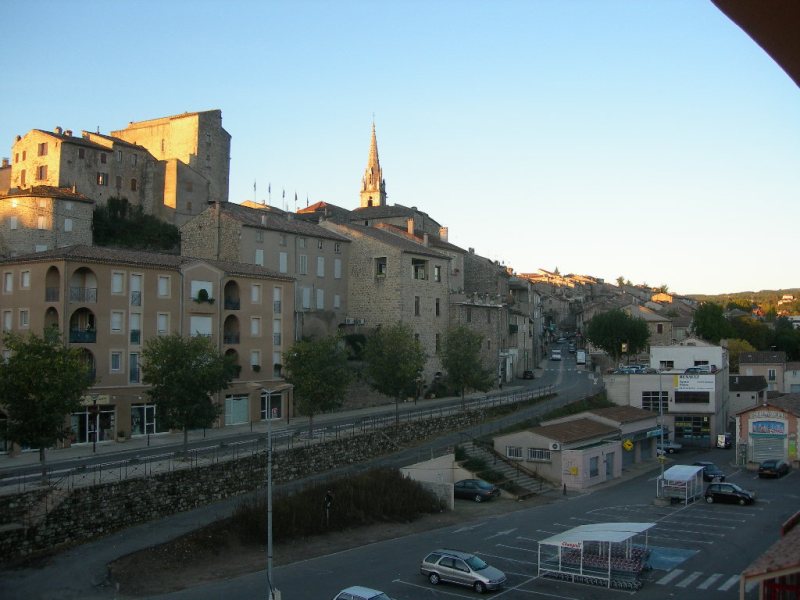
The settlement has medieval roots typical of the Ardèche uplands, with a historic core of stone streets, a parish church and vestiges of earlier urban forms. Local tradition connects the place-name with notions of joy and with broader medieval legends — notably the famous sword known in Carolingian lore as Joyeuse — although such associations form part of cultural memory rather than precise documentary origin. Available records show a gradual development centred on agriculture, crafts and market exchange.
Economy, culture and tourism
Today Joyeuse is best described as a small market town and local service centre. Its weekly markets, artisan workshops and seasonal festivals attract visitors from the department and beyond. Local gastronomy, regional products and outdoor recreation in nearby natural areas support a modest tourism sector. Craftsmanship, small shops and agricultural activity remain important to the local economy, while cultural associations help maintain Occitan heritage and village traditions.
- Local services: municipal offices, shops and market places that serve the surrounding rural communities; administrative reference: canton of Joyeuse.
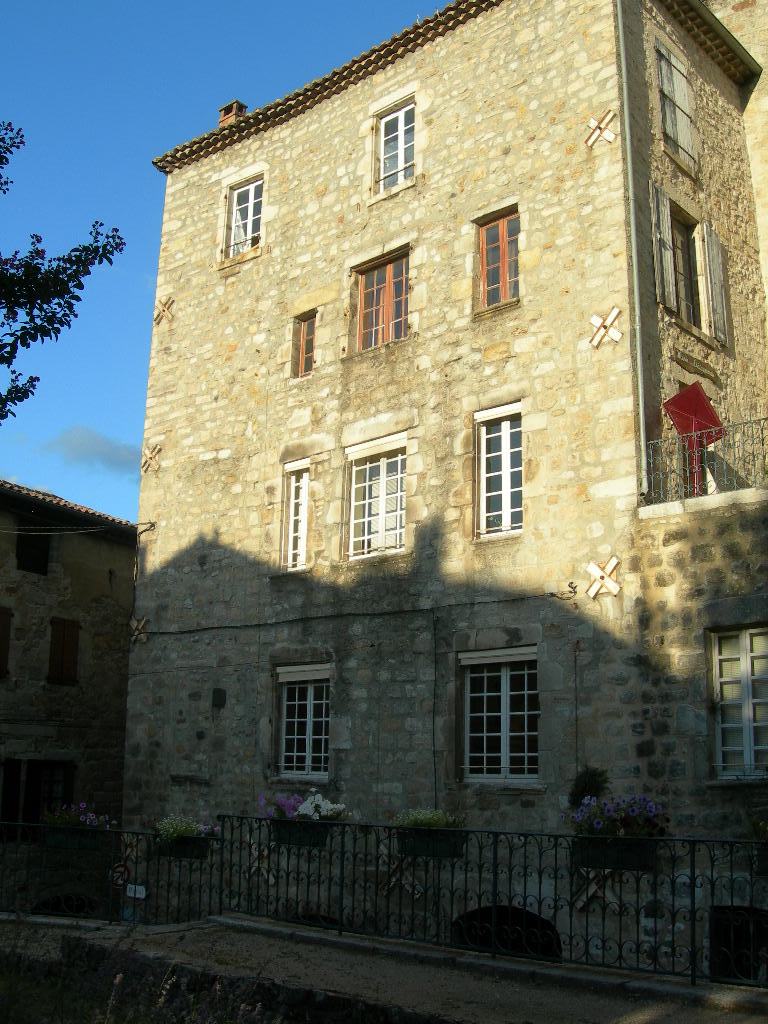
- Heritage: historic stone architecture, a parish church and traces of medieval streets and fortifications.
- Events: regular market days, seasonal fairs and craft events that highlight regional products and living traditions.
Population figures for small communes change between national censuses. Official records noted a population of 1,487 inhabitants in 1999, but more recent statistics should be consulted for current numbers (for example via national statistical services and departmental publications). Visitors and researchers can find administrative and tourism information through departmental or regional sources and local municipal pages, which provide up-to-date practical details.
For readers seeking more detail on administrative structures and regional context see the relevant departmental pages (department), regional resources (regional) and local civic information (departmental information or the regional tourism services). Historical overviews and cultural guides can give deeper insight into Joyeuse's place in Ardèche life and Occitan heritage.
Questions and answers
Q: What is Joyeuse?
A: Joyeuse is a commune in the French department of Ardèche in the region of Auvergne-Rhône-Alpes.
Q: What is the population of Joyeuse?
A: As of the year 1999, Joyeuse has a population of 1,487 people.
Q: What is the seat of the canton of Joyeuse?
A: Joyeuse is the seat of the canton of Joyeuse.
Q: What region is Joyeuse located in?
A: Joyeuse is located in the region of Auvergne-Rhône-Alpes.
Q: What is the official language of Joyeuse?
A: The official language of Joyeuse is French, but it is also known as Juèsa in Occitan.
Q: What is the geographical location of Joyeuse?
A: Joyeuse is located in the French department of Ardèche.
Q: How long has Joyeuse been a commune?
A: The text does not provide information about how long Joyeuse has been a commune.
Related articles
Author
AlegsaOnline.com Joyeuse (Ardèche) Leandro Alegsa
URL: https://en.alegsaonline.com/art/51323