
Juliaetta, Idaho
Juliaetta is a small city in Latah County, in the Palouse region of north‑central Idaho, known for its agricultural setting, historic small‑town character, and community events.
Overview
Juliaetta is a small city in Latah County in north‑central Idaho, in the Palouse region of the United States. The community functions as a rural service center for surrounding farms and ranches and is valued for its compact downtown, local institutions and quiet residential neighborhoods. Residents and visitors often describe Juliaetta as a close‑knit small town with a historic feel.
Image gallery
4 Images


Geography and character
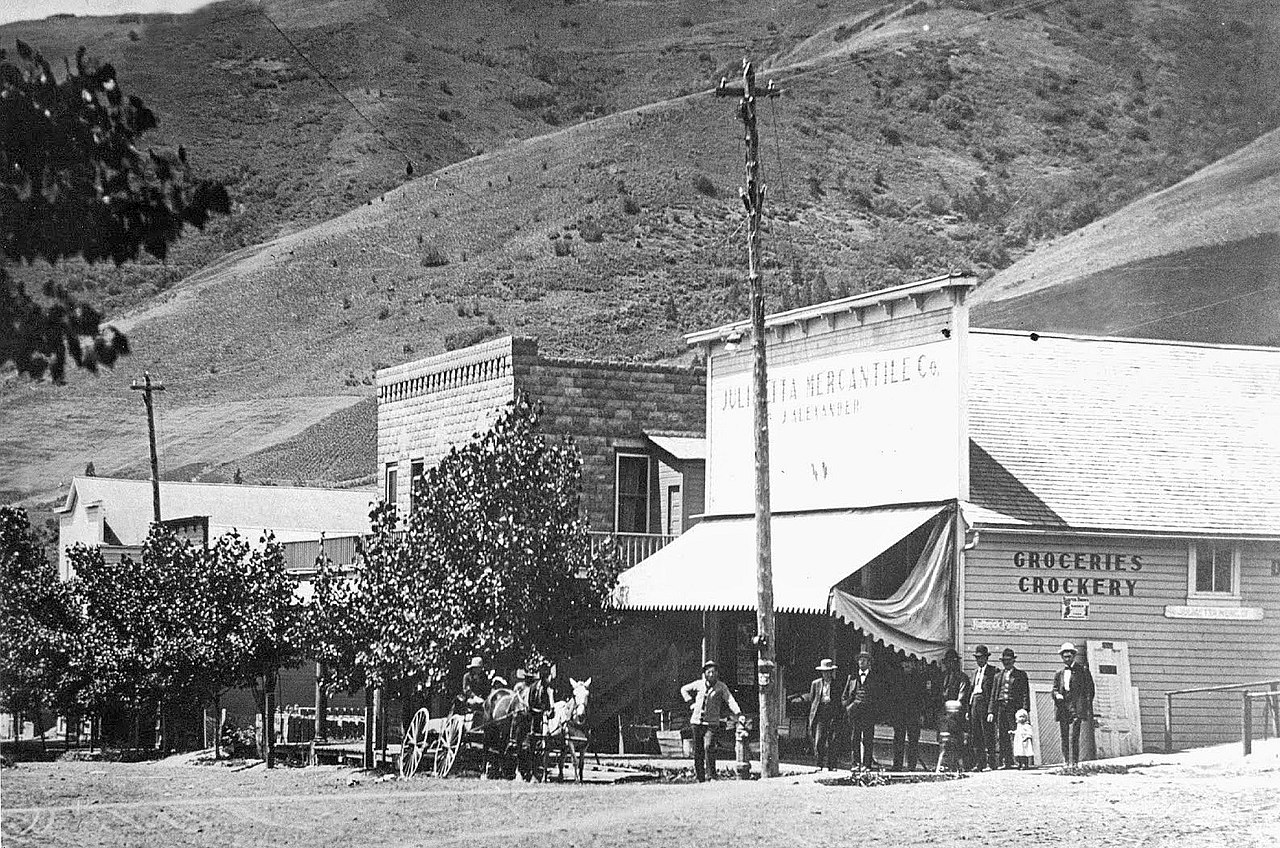
Set amid rolling agricultural hills typical of the Palouse, Juliaetta occupies a modest footprint and is surrounded by wheat fields, pulses and pastureland. The built environment includes a main street with local businesses, municipal buildings and older homes that reflect late 19th and early 20th century styles. Its landscape and scale make it representative of many small inland Northwestern towns.
History and name
Juliaetta developed during the settlement and agricultural expansion of northern Idaho in the late 19th century. Like many communities in the region, its growth was tied to farming, timber and the arrival of transportation links that improved access to markets. The town’s name is locally said to honor two early residents—Julia and Etta—though accounts vary; such compound-name origins are common in American place‑naming.
Economy and community life
The local economy remains closely connected to agriculture and to small businesses that serve neighboring rural areas. Community life centers on volunteer organizations, church groups, seasonal events and school activities, often shared or coordinated with nearby towns. Public services and civic functions are scaled to serve a small population and preserve local traditions.
Notable facts and distinctions
- Juliaetta typifies Palouse towns where farming shapes landscape and lifestyle.
- Historic buildings and a compact downtown convey the town’s heritage.
- Local cooperation with nearby communities supports schools and public services.
For official information or local resources, consult the town’s municipal contacts and regional guides. Additional background and maps are available through local archives and county resources: municipal and regional information.
Related articles
Author
AlegsaOnline.com Juliaetta, Idaho Leandro Alegsa
URL: https://en.alegsaonline.com/art/51489