
Josiah — King of Judah (c. 640–609 BCE)
Josiah was a king of Judah who came to the throne as a child and is remembered for religious reforms, a long reign in Jerusalem, and his death in battle during regional conflict.
Overview
Josiah became a child king of the southern Levantine kingdom of Judah in the late 7th century BCE. Traditional chronologies place his birth around 640 BCE and his reign as lasting about thirty-one years. He is commonly depicted in ancient texts as a ruler who sought to restore earlier religious practices and who traced his legitimacy to the royal line of King David.
Image gallery
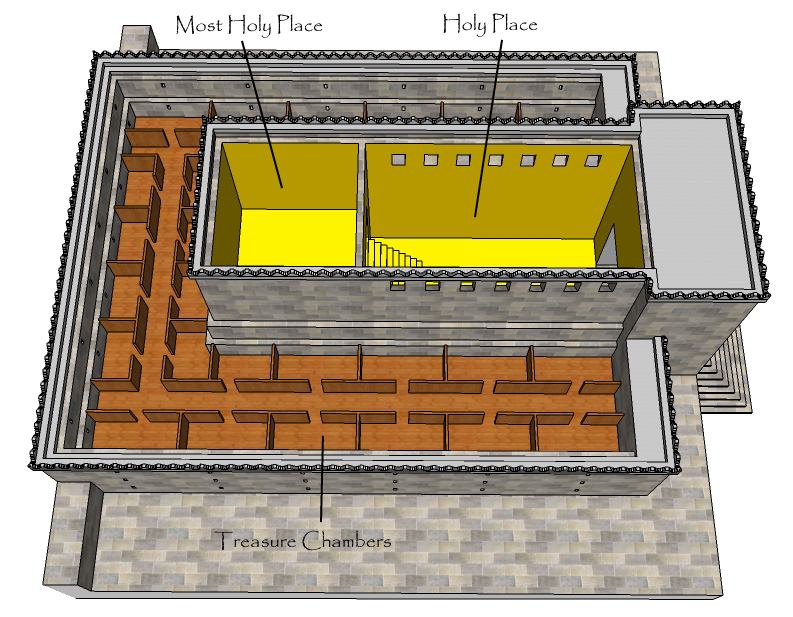
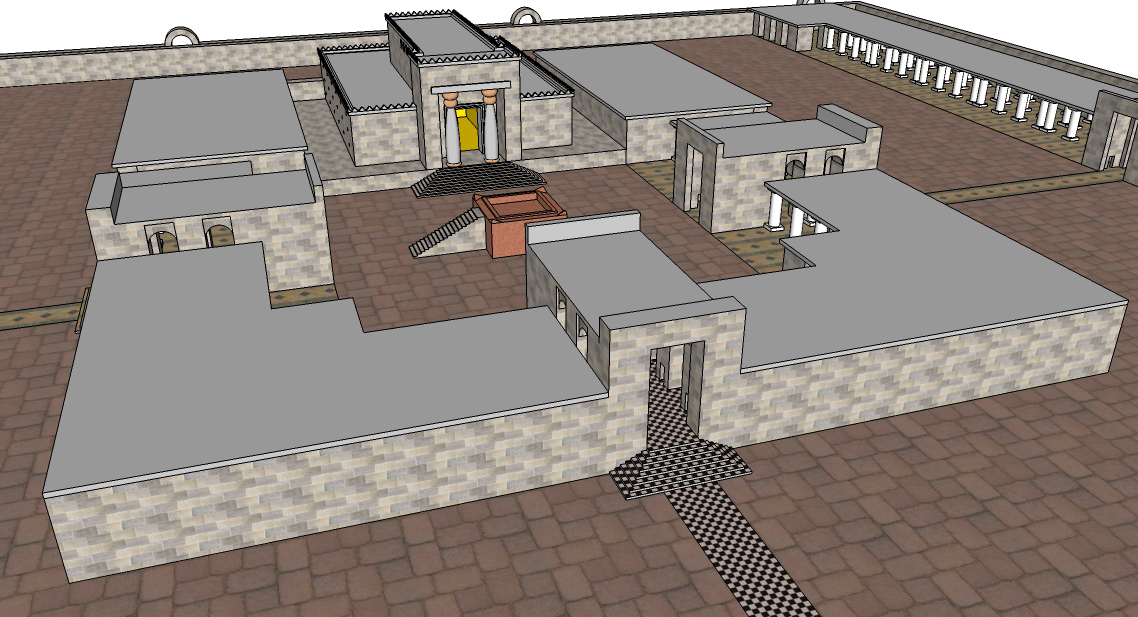
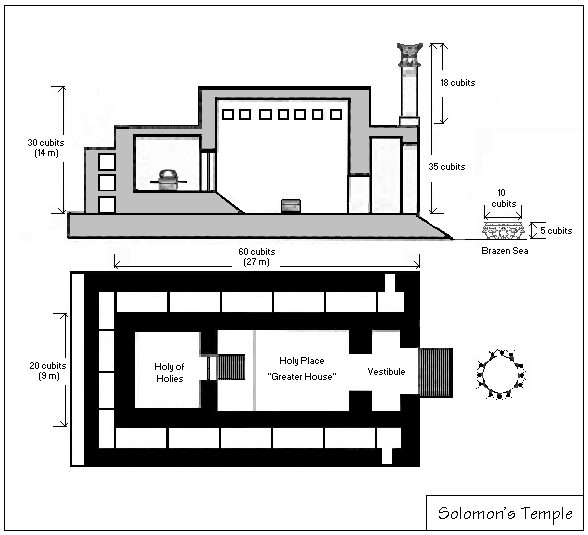
9 Images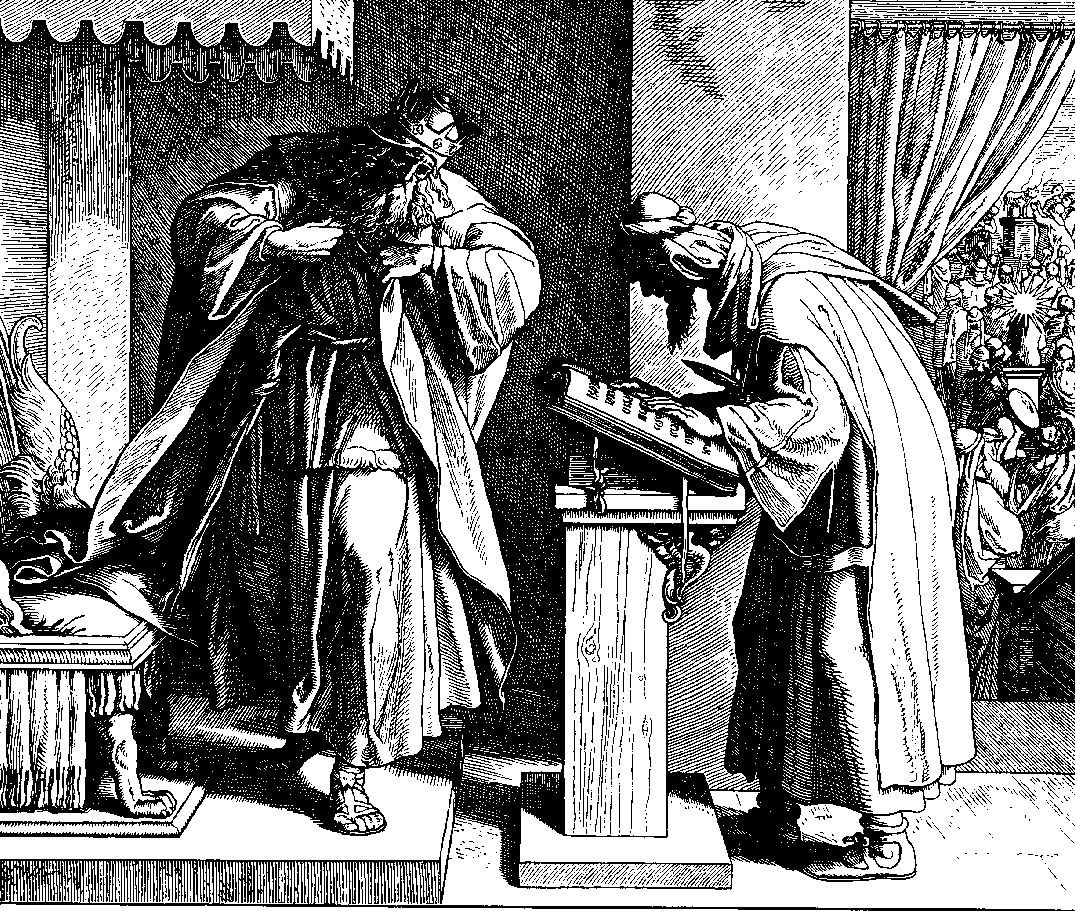





Characteristics of his reign
Josiah's government combined dynastic inheritance with energetic religious policy. He is noted for centralizing worship, reforming temple practices, and attempting to remove foreign cultic influences from public life. His reign is also characterized by a relatively long period of stability and by efforts to reinforce royal authority centered in Jerusalem.
Religious reforms and administration
Ancient accounts credit Josiah with significant religious changes that affected priests, shrines, and festivals. Key actions attributed to him include:
- Centralizing sacrificial worship at the Jerusalem temple.
- Removing local high places and cult objects perceived as idolatrous.
- Reinforcing adherence to law codes that were presented as authoritative guides for the community.
These measures are often portrayed as both devotional and political: strengthening the temple bolstered the monarchy's national role and sought to unify religious practice across Judah.
Reign, foreign policy, and death
Josiah ruled during a turbulent era when great powers—most notably Egypt and the remnants of the Neo-Assyrian empire—contested influence in the region. Late in his reign he became involved in the wider conflict between Egypt and the remnants or successors of Assyrian authority. According to traditional accounts he was killed in 609 BCE while confronting Egyptian forces under Necho; his death led to a rapid succession in the royal house and the elevation of his son, Jehoahaz, to the throne. The Egyptian presence is often mentioned in narratives of this episode, and external actors such as Egypt and Assyria figure prominently in descriptions of the regional politics.
Sources, historicity, and legacy
Information about Josiah comes mainly from later narrative sources preserved in historical and religious traditions, supplemented by archaeological data and external inscriptions that illuminate the geopolitical setting. Historians treat the accounts cautiously: while the broad outline of a long reign, religious reforms, and a battlefield death is widely accepted, details and motivations are debated. Josiah's reign is significant for its impact on the religious life and institutions of Judah and for how his reforms were remembered and recorded by subsequent generations.
Notable distinctions
Josiah is often contrasted with immediate predecessors and successors: he is remembered as a reformer compared with kings who tolerated foreign cults, and his death marked a turning point that preceded the kingdom's further decline under pressure from larger imperial actors. In cultural memory he appears both as a model of piety and as a transitional figure at the end of Judah's independence.
For further context on the period and Josiah's place in it, see broader discussions of the late 7th century BCE Levant and the shifting influence of neighboring powers.
child king Judah King David Jerusalem Egypt Assyria Jehoahaz
Related articles
Author
AlegsaOnline.com Josiah — King of Judah (c. 640–609 BCE) Leandro Alegsa
URL: https://en.alegsaonline.com/art/51268