
Joseph (Hebrew Bible): life, story, and religious significance
Joseph, son of Jacob, is a central figure in Genesis: betrayed by his brothers, sold into Egypt, rises to power, reconciles his family, and appears in Jewish, Christian and Islamic traditions.
Overview
Joseph is a principal character in the Book of Genesis in the Bible. His narrative traces a full life arc from favored son to slave, prisoner and finally an influential official in Egypt. The story is widely studied for its narrative craft and for themes of providence, moral testing, family conflict and reconciliation. Joseph’s tale also functions in the Hebrew scriptures as the background for the Israelite sojourn in Egypt.
Image gallery
10 Images




Narrative summary
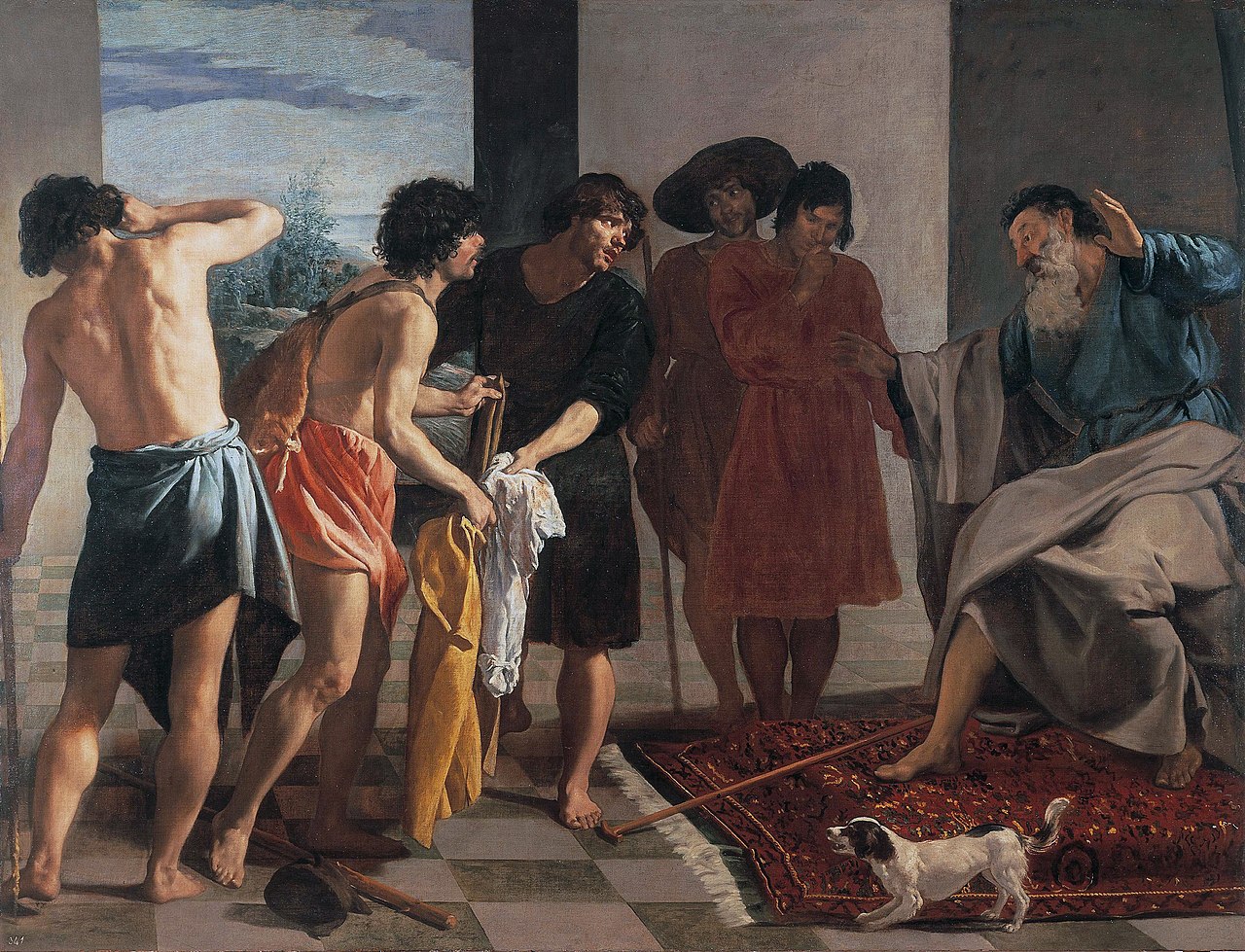
According to the account in Genesis, Joseph was one of the twelve sons of Jacob; familial rivalry grew because Jacob favored him. Jacob’s special regard is symbolized by a distinctive garment described in the text and often called Joseph’s coat. Joseph told dreams that suggested he would rule over his family, which increased his brothers’ resentment. The brothers conspired against him, initially planning to kill him but ultimately selling him into slavery; he was taken to Egypt.
In Egypt Joseph entered the household of a powerful official and later experienced a false accusation that led to imprisonment. While confined he interpreted the dreams of fellow inmates and, later, of the Egyptian ruler. His accurate interpretation of the ruler’s dreams about years of plenty followed by famine brought him to prominence and he was placed in charge of grain storage and distribution, a role the narrative presents as a high administrative office often rendered as a prime minister or vizier.
Reunion and migration
During the famine Joseph’s brothers came to Egypt seeking food; after tests and gradual disclosure he revealed his identity and forgave them. He invited his father Jacob and the extended family to settle in the land of Goshen, creating the conditions for the Israelite presence in Egypt and the later formation of their identity outside Canaan. The story ends with Jacob’s migration and eventual burial, Joseph’s protection of his family, and his final words of reconciliation toward his brothers.
Themes and literary features
Joseph’s story is notable for recurring motifs: dreams and their interpretations, patterns of recognition and reversal, and moral contrasts between betrayal and forgiveness. The tale is often admired for its coherent plot, character development, and use of irony. Theologically, readers in different traditions have emphasized God’s providential guidance, the moral virtues of patience and integrity, and the social consequences of leadership in crisis.
Religious traditions and interpretations
Joseph appears prominently not only in Jewish and Christian commentaries but also in Islamic literature. The Qur’an preserves an extended retelling in the chapter commonly known as the story of Joseph, where his patience, chastity and reliance on God are highlighted and certain narrative details differ, for example in descriptions of how he left his homeland. Jewish and Christian exegesis have debated historical, ethical and allegorical meanings, and artists and writers across cultures have adapted the narrative to various aims.
Historical and critical notes
Scholars treat the Joseph narrative as a rich literary unit within Genesis. Questions of its original composition, its relation to historical memory, and the extent to which it reflects ancient Egyptian institutions are subjects of ongoing study. The story has been read both as aetiology—a tale explaining how the ancestors came to Egypt—and as ethical instruction about leadership, mercy and resilience in adversity.
Legacy
Joseph’s life serves as an origin story for the Israelite sojourn in Egypt and has exerted wide influence on religious teaching, literature and the arts. His example as a capable administrator in crisis and as a reconciler within a fractured family continues to be invoked in moral and spiritual reflections. For more contextual reading, consult biblical texts and commentaries on Jacob and family dynamics (Jacob), studies of the symbolic coat, discussions of ancient Egyptian administration linked to the prime minister role, treatments of the Israelite migration from Canaan, and works on the identity and destiny of the Israelites in later narrative tradition.
Related articles
Author
AlegsaOnline.com Joseph (Hebrew Bible): life, story, and religious significance Leandro Alegsa
URL: https://en.alegsaonline.com/art/51227