
José Manuel Balmaceda
José Manuel Balmaceda was a Chilean statesman and president whose modernization program and clash with Congress sparked the 1891 civil war and shaped Chilean politics for decades.
José Manuel Balmaceda was a leading Chilean political figure of the late 19th century who rose to the presidency and pursued an ambitious program of state-led modernization. A controversial and consequential leader, his policies transformed public institutions but also provoked a constitutional crisis that ended his rule and life in 1891.
Image gallery
3 Images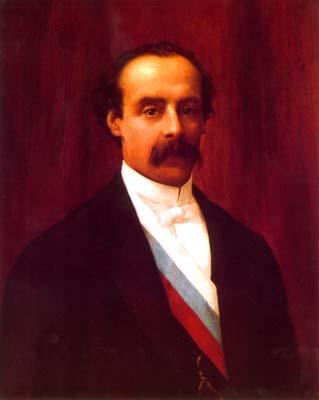


Early life and political rise
Balmaceda came from a well-known family and entered public life in the second half of the 19th century. He served in legislative and executive posts, gaining a reputation as an energetic administrator and a proponent of stronger central government. His career combined parliamentary experience with periods as a cabinet minister and as an influential political organizer.
Presidency and reforms
As a Chilean politician who became President of the Republic of Chile, Balmaceda emphasized economic development and public investment. His administration expanded public education, promoted infrastructure works such as railways and ports, and encouraged the growth of export industries. He favored active state involvement in national development and used fiscal resources from mineral exports to finance public projects.
Conflict and collapse
Balmaceda's attempt to strengthen the executive and direct government spending increasingly brought him into conflict with the national legislature and powerful economic interests. That confrontation escalated into an armed civil conflict in 1891 between forces loyal to the president and those supporting congressional authority. The defeat of the presidential side led to Balmaceda's fall from power and his death following the collapse of his government.
Legacy
Historians view Balmaceda as a polarizing figure: praised for his modernization efforts and criticized for confrontational methods that strained constitutional norms. His tenure highlighted tensions in Chilean political development between oligarchic parliamentary influence and a stronger executive role in guiding economic change. The reforms he championed had long-term effects on education, infrastructure, and state involvement in the economy.
- Major themes: state-led modernization, public works, education expansion.
- Notable outcome: 1891 civil war that reshaped Chilean politics.
Related articles
Author
AlegsaOnline.com José Manuel Balmaceda Leandro Alegsa
URL: https://en.alegsaonline.com/art/51151
Sources
- simple.wikisource.org : Article on 1911 Encyclopædia Britannica