
Joint Comprehensive Plan of Action (Iran nuclear deal)
The 2015 Joint Comprehensive Plan of Action (JCPOA) is a multilateral agreement between Iran and the P5+1/EU limiting parts of Iran’s nuclear programme in exchange for sanctions relief, with IAEA verification.
Overview
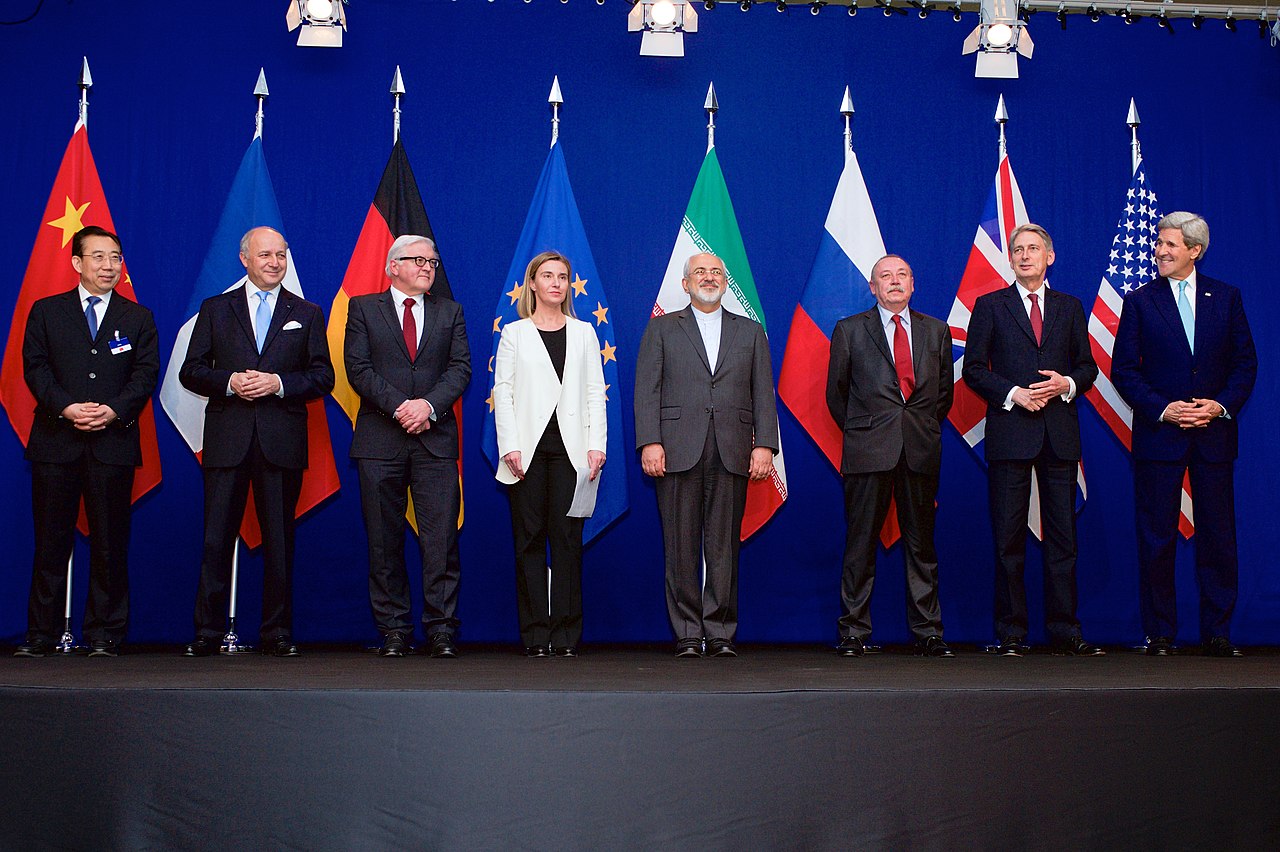
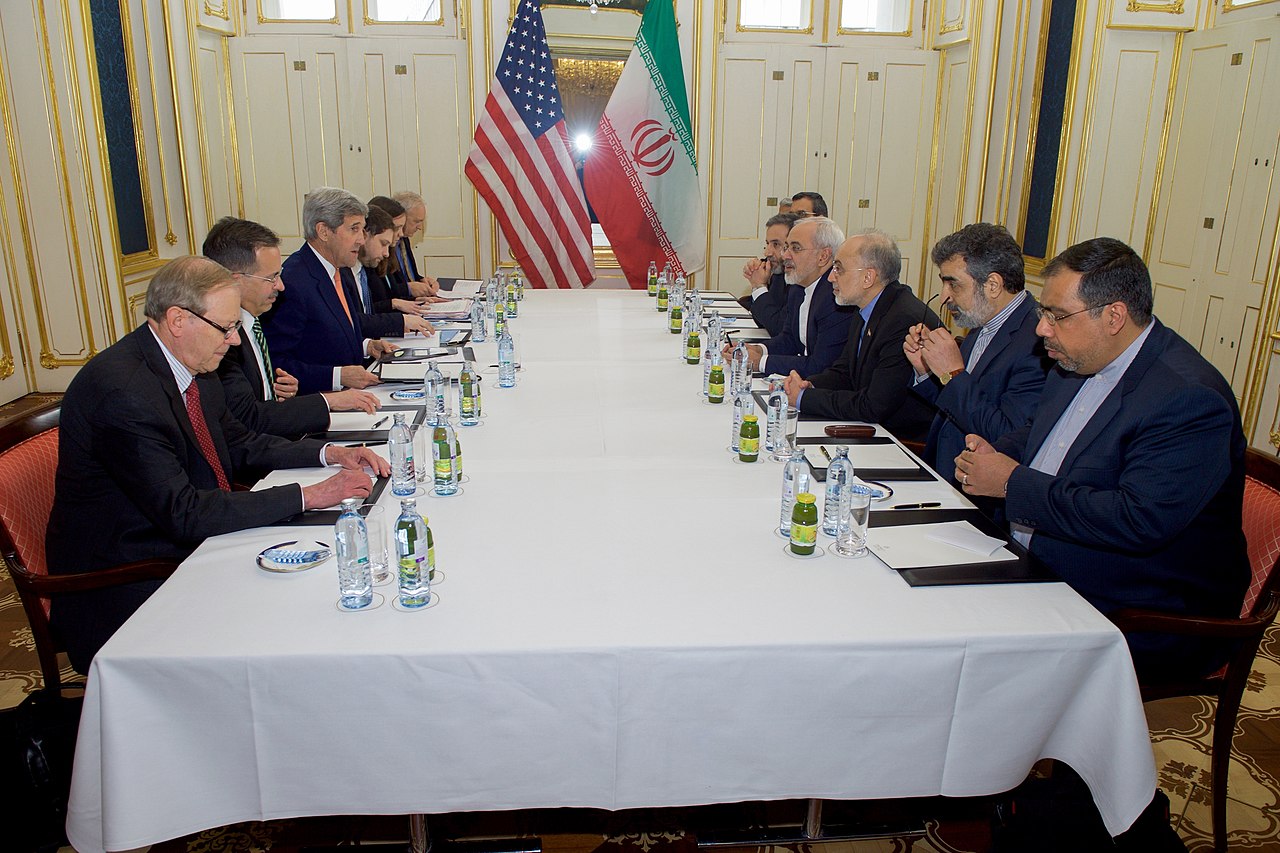
The Joint Comprehensive Plan of Action (JCPOA), commonly known as the Iran nuclear deal, is a multilateral agreement concluded in July 2015 between Iran and the P5+1 (China, France, Russia, the United Kingdom, the United States, plus Germany), together with the European Union. It sought to address international concerns about the nature and potential pathways of Iran’s nuclear programme by combining limits on specific nuclear activities with enhanced verification by the International Atomic Energy Agency (IAEA). In Persian the agreement is referred to as برنامه جامع اقدام مشترک (barnāmeye jāme'e eqdāme moshtarak) or برجام (BARJAM).
Image gallery
10 Images


Key provisions
The JCPOA set out a package of technical measures and transparency commitments. These included restrictions on the level of uranium enrichment and on the amount and form of enriched uranium that Iran would retain, limits on the number and type of centrifuges that could operate, and changes to certain facilities to reduce proliferation-sensitive activity. The accord also established procedures for monitoring and verification and a timetable for the gradual lifting of many nuclear-related economic sanctions as compliance milestones were met. The agreement was endorsed by the United Nations Security Council through a resolution that provided a formal international framework for its implementation.
Verification and monitoring
Verification by the IAEA was central to the deal. The accord included detailed reporting requirements, access arrangements for declared nuclear sites and agreed mechanisms for resolving questions about compliance. The JCPOA created a Joint Commission of participants to oversee implementation and to address disputes. Routine IAEA inspections and technical reporting were intended to provide the international community with assurances about Iran’s nuclear activities, while preserving Iran’s ability to pursue peaceful nuclear energy under defined limits.
Sanctions relief and implementation
In exchange for Iran’s commitments, many states and international bodies agreed to suspend or lift a range of nuclear-related economic sanctions, allowing expanded trade and financial access that had been restricted. Relief was phased and conditional on verified compliance. The arrangement contained a number of time-limited provisions that have been referred to in public debate as "sunset" provisions; these and other elements were a focus of political controversy in several countries.
Reactions, withdrawal and subsequent developments
The JCPOA attracted both praise as a diplomatic achievement that reduced immediate proliferation risks and criticism over perceived limits or omissions. On 8 May 2018 the United States announced its withdrawal from the agreement under President Donald Trump and re-imposed sanctions. That action altered the dynamics of implementation, prompted disputes among the remaining participants, and contributed to a period of increased regional and diplomatic tension. Following the withdrawal, Iran and the other participants engaged in negotiations and diplomatic efforts aimed at preserving or restoring elements of the accord, with intermittent progress and setbacks reported by official and independent observers.
Importance and legacy
The JCPOA is notable as a complex, technical diplomatic instrument that linked specific non-proliferation measures to economic incentives and a verification regime. It illustrates the challenges of negotiating multilateral arms-control agreements that combine detailed technical limits with political and economic incentives. The agreement has influenced later discussions about sanctions policy, verification practice, and the role of international institutions in managing proliferation risks. For further background on the negotiations and the site of the 2015 talks, see materials associated with Vienna; for official documents and reporting by parties and agencies consult sources referenced by the participants and inspection bodies such as the IAEA. For discussion of the Iranian name and domestic debate, see references using the Persian acronym and commentary linked to Iran’s nuclear programme.
Related articles
Author
AlegsaOnline.com Joint Comprehensive Plan of Action (Iran nuclear deal) Leandro Alegsa
URL: https://en.alegsaonline.com/art/50949
Sources
- tehrantimes.com : "Zarif: We've never claimed nuclear deal only favors Iran"
- cnn.com : Trump, Iran nuclear deal