
Judgment Day (2005)
WWE pay-per-view held May 22, 2005 at the Target Center in Minneapolis; the seventh event in the Judgment Day series featuring championship bouts and storyline developments.
Overview
Judgment Day (2005) was a professional wrestling pay-per-view event produced by World Wrestling Entertainment. It took place on May 22, 2005 at the Target Center in Minneapolis, Minnesota. This instalment was the seventh show in WWE's annual Judgment Day chronology and formed part of the company’s mid-2000s PPV calendar, a period when WWE staged monthly televised events to conclude or advance scripted feuds and title programs.
Image gallery
5 Images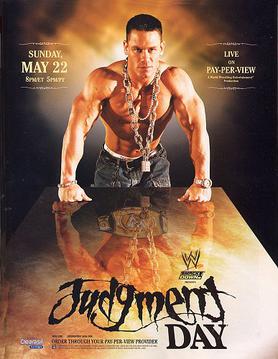



Event structure and card
As with most WWE pay-per-views of the era, Judgment Day combined a mix of title matches, grudge encounters and multi-person bouts. The card typically featured the promotion’s primary champions, mid‑card title defenses, tag team matches, and a variety of stipulation bouts designed to resolve ongoing storylines.
- Headline championship matches and number-one contender contests
- Undercard matches that showcased rising performers and tag teams
- Special stipulation or grudge matches that continued long-term angles
Background and storylines
Judgment Day events served as narrative milestones inside WWE’s televised weekly shows. In the weeks before a May pay-per-view, television programming built tension through promos, non-PPV matches, and backstage segments; the pay-per-view then presented climactic encounters that could change title holders or intensify rivalries. The 2005 edition followed this model, with each match rooted in prior confrontations or championship ambitions.
Venue and production
The Target Center, an indoor arena in downtown Minneapolis, hosted the event. WWE’s staging for Judgment Day included an elevated entrance ramp, lighting rigs, pyrotechnics, and a ring visible to thousands of spectators while being distributed globally on the pay-per-view platform. Production elements aimed to highlight key moments and create broadcast-friendly visuals.
Reception and significance
Pay-per-views like Judgment Day functioned as both entertainment and business drivers for WWE, drawing buys from television viewers and serving as benchmarks for performers’ popularity. The 2005 show contributed to ongoing character arcs and championship lineages and is remembered as part of the mid-2000s WWE schedule that shaped several notable careers.
Further information
For an official event listing, card details, and historical context, see the WWE event page or archived coverage and reviews. Additional references and contemporaneous reporting can be found through event summaries and wrestling periodicals that documented WWE’s 2005 pay-per-view season. Event page
Related articles
Author
AlegsaOnline.com Judgment Day (2005) Leandro Alegsa
URL: https://en.alegsaonline.com/art/51419
Sources
- wwe.com : "Judgment Day 2005: Full Event Results"