
John Ray (1627–1705): English naturalist, classifier, and founder of modern species concept
Overview of John Ray, his life, major works in botany and zoology, impact on taxonomy and natural history, and his scientific approach and legacy.
Overview
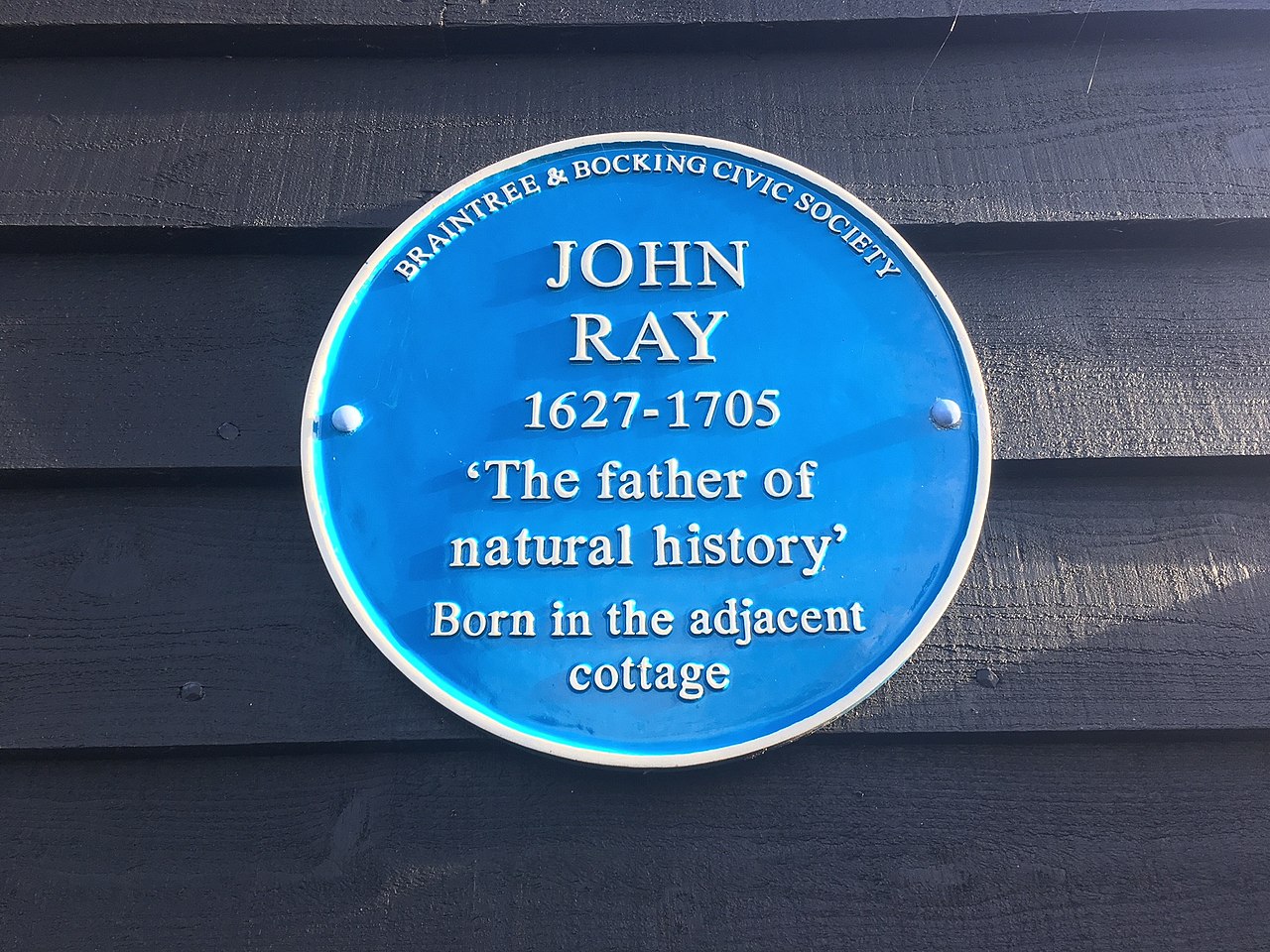
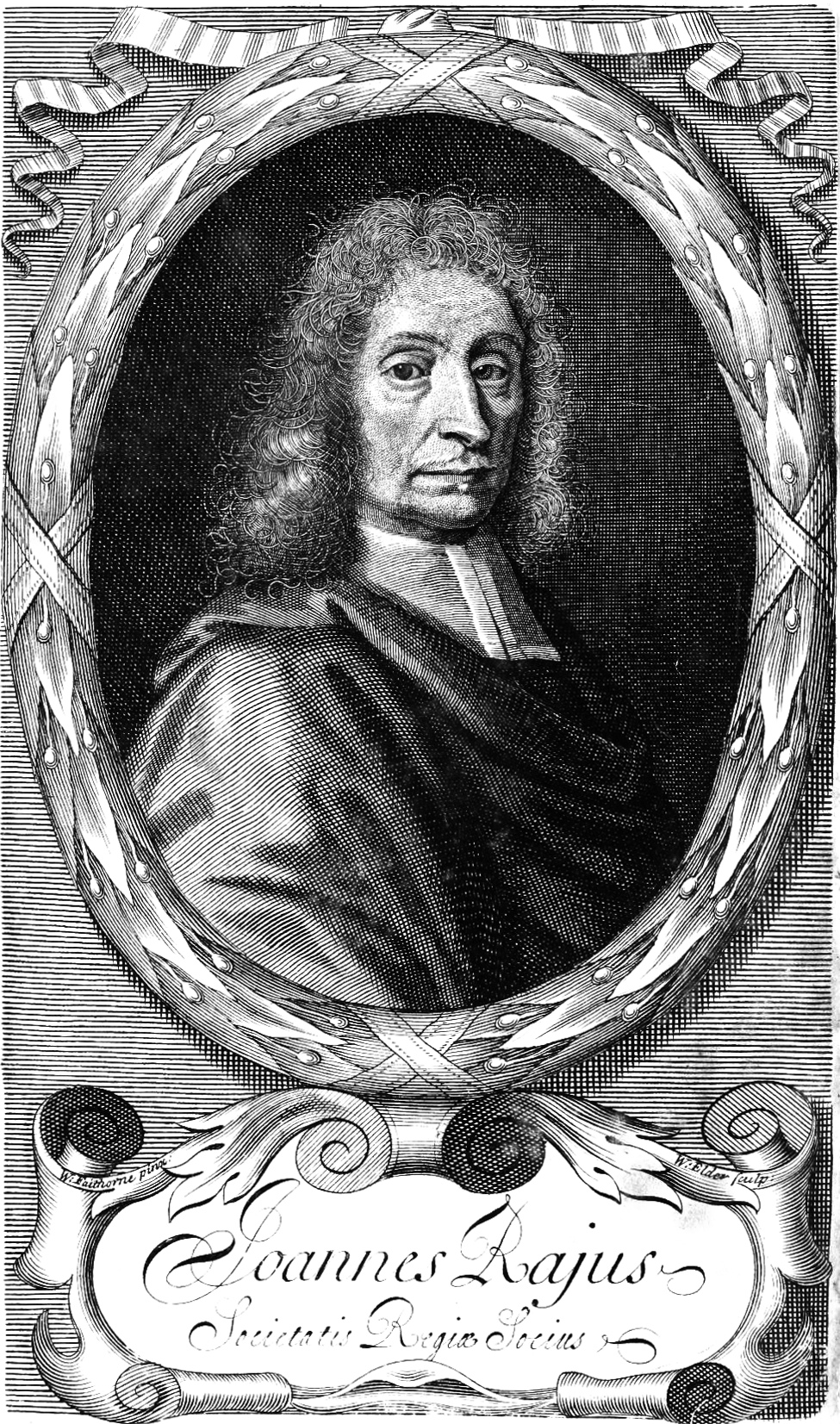
John Ray (1627–1705) was a prominent English naturalist and scholar whose careful observations laid foundations for modern natural history. Often called the father of English natural history, Ray combined fieldwork, description and classification in ways that moved biology toward empirical methods. He came from humble origins: the son of a village blacksmith, he obtained a scholarship to study at Cambridge during a turbulent era marked by conflict between the Puritans and the monarchy under Charles I. During his career he was associated with Cambridge as a Fellow of Trinity College.
Image gallery
10 Images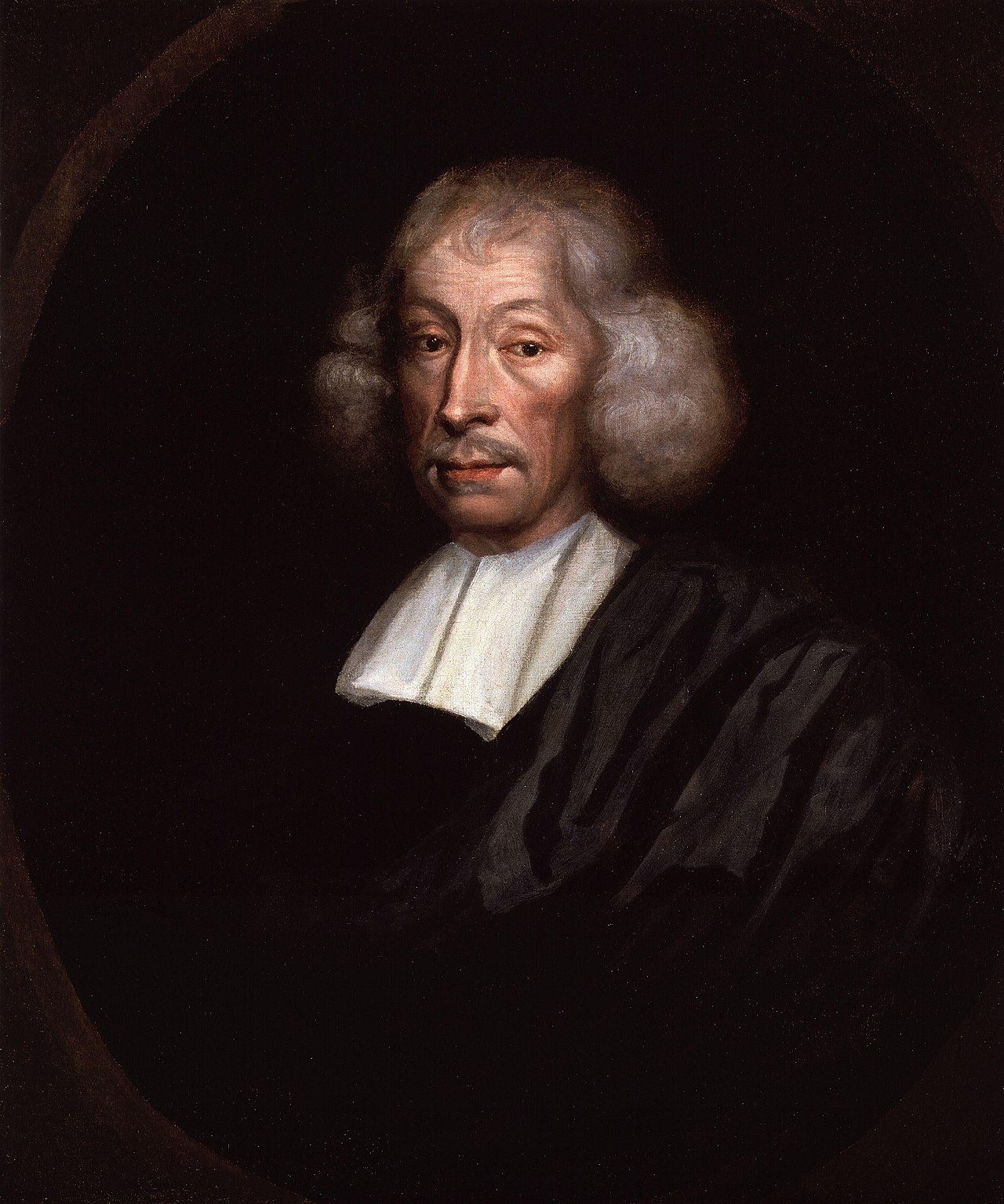




Life and context
Ray's life intersected with major political and religious changes in seventeenth‑century England. He accepted the Restoration of Charles II but, when asked to conform in 1662, chose conscience over career and lost his Cambridge fellowship rather than subscribe to the new religious tests. He had been ordained as a priest in the Church of England in London, yet he identified with nonconformist sympathies and returned to live near his birthplace at Black Notley, close to Braintree in Essex. His travels in continental Europe with former student Francis Willughby exposed him to contemporary continental science and shaped his later work; he returned to England in Spring 1666 and became active in the newly formed Royal Society.
Major works and approach
Ray wrote extensively on both plants and animals and also addressed questions of natural theology. Supported at times by the Royal Society and figures such as Samuel Pepys, he published systematic treatments including the multi‑volume Historia Plantarum and a series of zoological descriptions. Unlike medieval scholastic writers who favored abstract deductions, Ray emphasised direct observation and comparison, advancing empiricism over speculative rationalism. He described, catalogued and compared traits to group organisms rather than relying on simplistic either/or schemes.
Contributions to classification and biology
Ray's practical and cautious methodology helped bring order to the chaotic naming of organisms of his day. He rejected arbitrary pairs of categories and instead arranged plants and animals by shared characters. In doing so he made significant steps toward modern taxonomy and was among the first to offer a clear biological concept of the species as a unit defined by consistent traits. His plant works are particularly notable: he recorded differences important for identification and for later botanists who refined scientific naming.
Works, examples and influence
- Historia Plantarum: extensive descriptions of plant morphology and distribution, influencing later classification systems (plants).
- Compendia of animals and fish, with attention to habitats and life habits (animals).
- Writings that connected natural history with theological reflection while maintaining observational standards (natural theology).
Ray's balance of description and cautious generalization set a model for subsequent naturalists. His insistence that species be recognized by recurring, observable features was an important conceptual advance that later taxonomists and evolutionary theorists would build upon.
Legacy and notable facts
John Ray is remembered as a bridge figure between Renaissance curiosity and modern scientific method. He promoted careful field observation, specimen-based description, and clear criteria for grouping organisms. His work contributed to the intellectual milieu that allowed later advances in botany and zoology. Modern accounts of Ray stress both his technical achievements in classification and the way his religious and political context shaped a life devoted to study. For further reading on his biography and publications, consult historical surveys and annotated editions that situate his writings in seventeenth‑century scientific culture (naturalist biography, general resources).
Selected topics and references for exploration: early modern fieldwork and collection practices, the development of taxonomic language, and how Ray's empirical methods contrasted with contemporary rationalist traditions. His career illustrates how scientific progress often arises from close observation combined with clear, conservative reasoning—principles that remain central to biology today.
Related entries and archival materials can be located through library catalogues and specialized articles on Ray's travels, his collaborations with Willughby, and his role in the Royal Society. These sources highlight the practical and intellectual networks that supported his publications and their enduring influence on the disciplines of botany and zoology.
For quick reference to key terms and people tied to Ray's life: see links to his social origins as a blacksmith's son, his path through Cambridge (Trinity College), the political scene under Charles I and Charles II, and the religious environment of the Church of England. Additional context is available on his ordination (priesthood), the places associated with him (London, Braintree, Essex) and the intellectual terms he engaged with (taxonomy, species, empiricism).
Questions and answers
Q: Who was John Ray?
A: John Ray was an English naturalist, sometimes referred to as the father of English natural history.
Q: How did he get to Cambridge University?
A: He got to Cambridge University on a scholarship.
Q: What happened when Charles II returned to power in 1660?
A: Charles II insisted that all priests sign an affadavit against the Puritan party and the Act of Uniformity of 1662 made the Book of Common Prayer compulsory in religious services, which was opposed by those of Puritan beliefs. As a result, Ray would not sign the affidavit and was forced to resign his Fellowship.
Q: What did Ray do after returning from continental Europe in Spring 1666?
A: After returning from continental Europe in Spring 1666, he joined the new Royal Society and devoted himself to the study of natural history.
Q: What were some important works published by Ray?
A: Ray published important works on plants, animals, and natural theology such as Historia Plantarum.
Q: How did Ray classify plants differently than others before him? A: Rather than classifying plants according to an either/or type system, he classified them by observation according to similarities and differences. Thus he advanced scientific empiricism against the deductive rationalism of the scholastics. He was also the first person to give a biological definition of species.
Related articles
Author
AlegsaOnline.com John Ray (1627–1705): English naturalist, classifier, and founder of modern species concept Leandro Alegsa
URL: https://en.alegsaonline.com/art/50782