
John Dalton: Pioneer of Atomic Theory and Studies of Color Vision
John Dalton (1766–1844), English chemist and physicist, developed early atomic theory, studied gas laws and color blindness, and left a lasting legacy in chemistry and metrology.
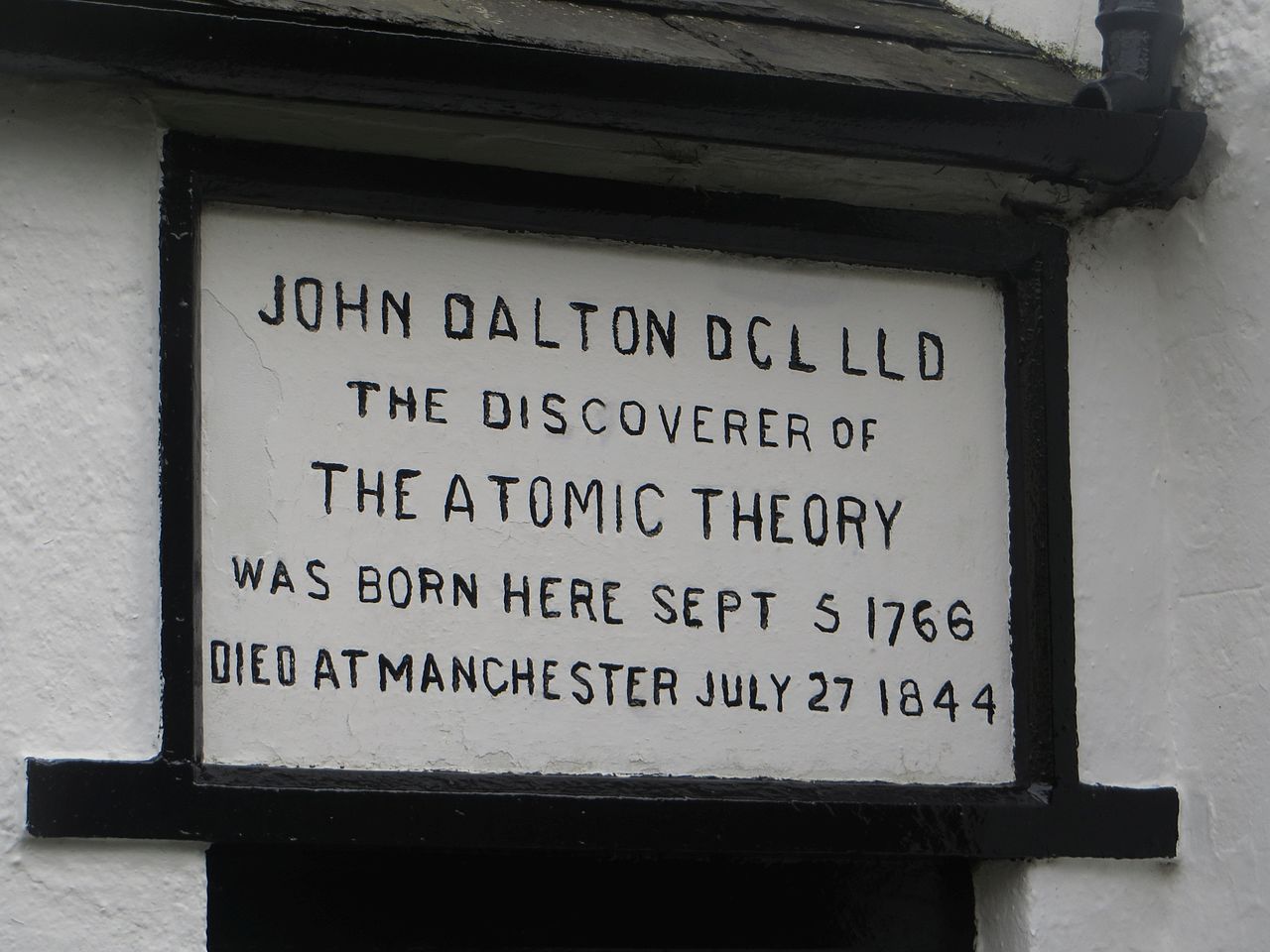
John Dalton (6 September 1766 – 27 July 1844) was an English scientist whose work helped transform chemistry into a quantitative science. Born into a Quaker family in Cumberland, he trained as a teacher and lifelong observer of weather and gases. He is commonly described as a British chemist and a physicist whose ideas about atoms and weights shaped nineteenth-century chemistry.
Image gallery
10 Images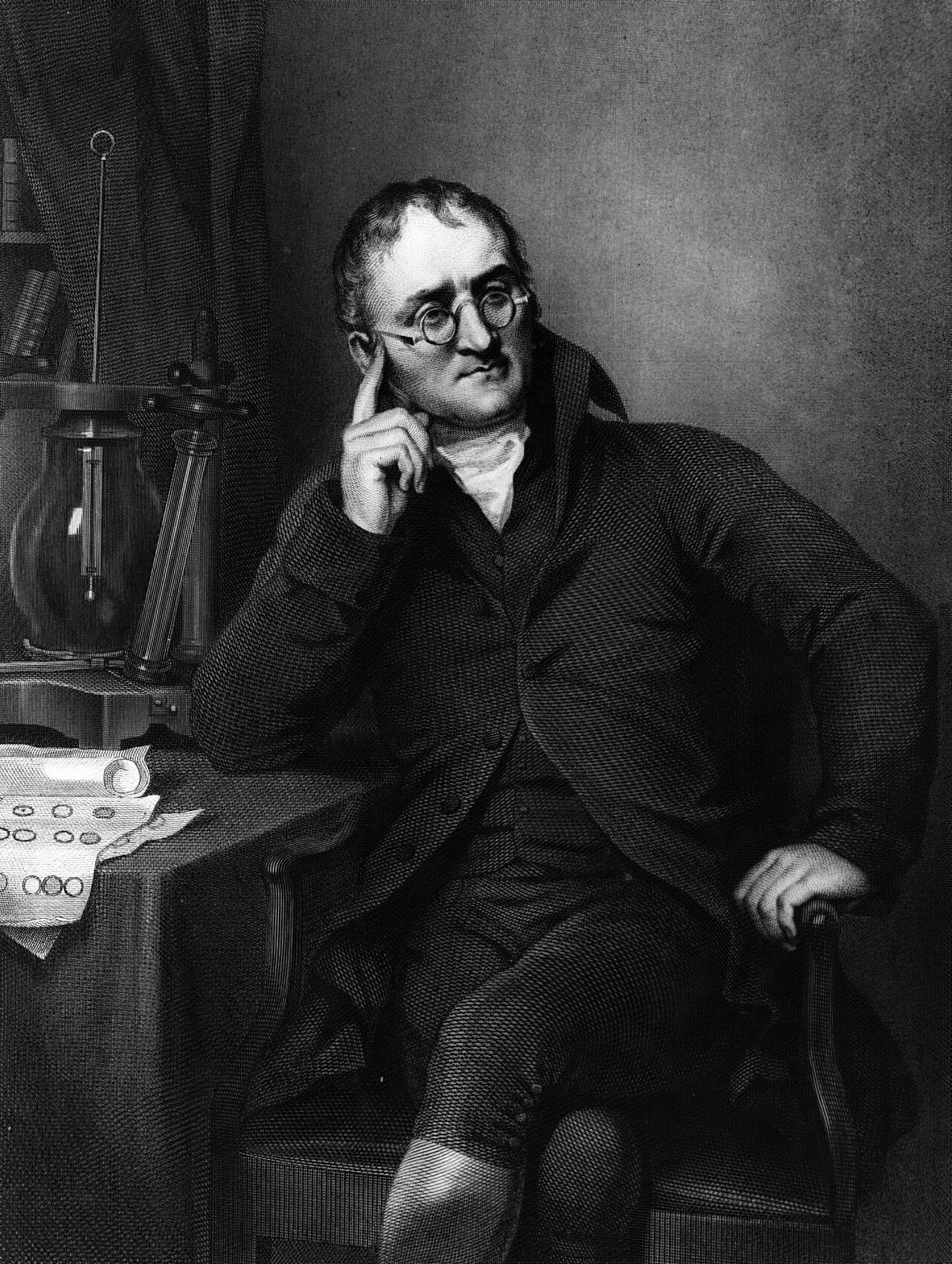




Early life and career
Dalton began his career as a schoolmaster and private tutor, later moving to the industrial and scientific community of Manchester. There he kept careful meteorological records, made precise measurements of gas mixtures, and lectured on natural philosophy. His systematic approach to measurement and experiment underpinned later theoretical work.
Atomic theory
Dalton is best known for formulating an early atomic theory that offered a simple framework for chemical combinations. His main ideas can be summarized as:
- Elements are composed of indivisible particles called atoms.
- All atoms of a given element have identical properties and mass (as conceived then).
- Different elements have atoms of different masses and properties.
- Chemical compounds form when atoms combine in fixed numerical ratios.
- Chemical reactions rearrange atoms without creating or destroying them.
These propositions, presented in works such as A New System of Chemical Philosophy, provided a conceptual basis for chemical formulae and the determination of relative atomic weights; the subject is often referred to as atomic theory in historical accounts.
Other research and legacy
Dalton also investigated gases and formulated what became known as Dalton's law of partial pressures, important in physical chemistry and meteorology. He published the first systematic account of a form of color vision deficiency after realizing he and several family members could not distinguish certain hues; this condition has historically been called Daltonism. In modern science the atomic mass unit is commonly called the dalton (symbol Da) in his honor.
While later work refined and replaced parts of Dalton's original ideas, his insistence on measurement, simple hypotheses, and the notion of atoms as the basis of matter made a long-lasting contribution. He remains a central figure in the history of chemistry and physics, remembered both for theoretical advances and practical experimental records.
Related articles
Author
AlegsaOnline.com John Dalton: Pioneer of Atomic Theory and Studies of Color Vision Leandro Alegsa
URL: https://en.alegsaonline.com/art/50605