
John Dillinger: Depression-era American bank robber and public figure
John Dillinger (1903–1934) was a notorious American bank robber whose crimes, escapes, and death made him a symbol of the Depression-era criminal and a fixture of popular culture.
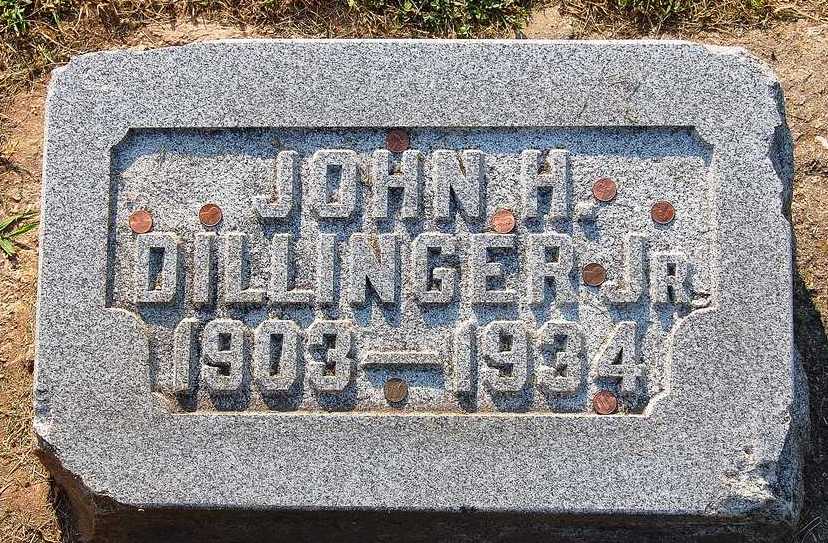
John Herbert Dillinger (June 22, 1903 – July 22, 1934) was a prominent American criminal whose string of bank robberies across the Midwest made him one of the most notorious figures of the Depression era. He is commonly described as a bank robber active in the American Midwest, and his story—marked by daring jailbreaks, nationwide manhunts, and a dramatic death—has been widely recounted in books and films.
Image gallery
10 Images



Early life and criminal career
Dillinger grew up in Indiana and, after minor brushes with the law, served time in prison where he was exposed to other criminals and hardened by the penal system. After his release he organized a gang that carried out a series of well-planned bank robberies in the early 1930s. His crimes coincided with widespread public frustration during the Great Depression, which contributed to the sensational press coverage he received.
Methods, arrests and escapes
He became known for careful planning, fast getaways, and a knack for evading capture. Dillinger escaped custody more than once, including a celebrated jailbreak that involved a disguised or improvised firearm. These escapes embarrassed local authorities and increased federal involvement in the pursuit of interstate criminals.
Capture, death and legal aftermath
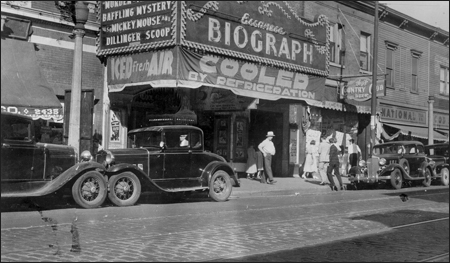
Federal agents and local law enforcement pursued Dillinger across state lines. On July 22, 1934, he was shot and killed by law enforcement officers outside a movie theater in Chicago. His death prompted debates about law-enforcement tactics and contributed to expanded federal policing powers in the years that followed.
Legacy and cultural impact
Dillinger's life has been mythologized in newspapers, radio and motion pictures; he was alternately portrayed as a cold-blooded criminal and a folk antihero who struck banks during hard economic times. His name remains associated with the era's crime wave and with early developments in federal criminal investigation techniques.
- Notable facts: dramatic jailbreaks, label as a public enemy, major manhunt.
- Continued presence in films, books and public memory as an emblematic Depression-era outlaw.
Related articles
Author
AlegsaOnline.com John Dillinger: Depression-era American bank robber and public figure Leandro Alegsa
URL: https://en.alegsaonline.com/art/50613