
Joanot Martorell and Tirant lo Blanch: life, work and legacy
Joanot Martorell (c.1413–1468) was a Valencian writer best known for the chivalric novel Tirant lo Blanch, a landmark of medieval Iberian literature with lasting influence on the novel form.
Overview
Joanot Martorell (born around 1413 – died around 1468) was a Valencian writer and knight remembered chiefly as the creator of the chivalric romance Tirant lo Blanch. Martorell composed the work in the local tongue he called the Valencian vernacular, a variety used across the Crown of Aragon. He is traditionally credited as the principal author of the text now regarded as one of the most important medieval works in Catalan-language literature (author).
Image gallery
1 Image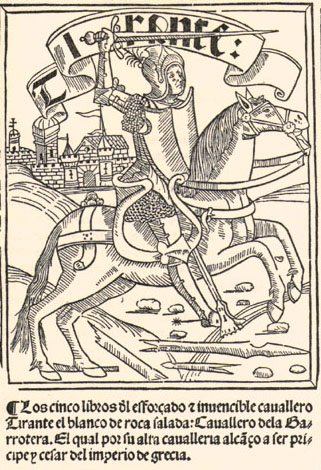
The novel and its setting
Tirant lo Blanch was first printed in Valencia in 1490 and reprinted in Barcelona in 1497. Its narrative follows the exploits of a gallant knight who serves and campaigns in a world that draws on fifteenth-century knowledge of the Byzantine Empire. The plot combines battle sequences, courtly love episodes and pragmatic everyday detail; some episodes echo the deeds and itineraries of medieval mercenary bands such as the historical Catalan Company. Because of its blend of realistic detail and fictional adventure, some commentators have described it as an early example of a modern novel (first modern novel) in Europe.
Style, themes and composition
Martorell's narrative voice is notable for its mixture of chivalric idealism and earthy, practical observation. The book shifts between heroic combat, political maneuvering and intimate scenes that explore character and motive. Scholars highlight the work's narrative variety: at times sentimental and romantic, at times ironic and satirical, it presents a textured portrayal of late medieval social life and warfare.
Life and completion of the work
Biographical information about Martorell is limited and often reconstructed from legal records and contemporary references. He was associated with Valencian aristocratic circles and has been described as a man of chivalric temperament whose life ended prematurely amid disputes at court; he did not live to see his work through to its final form. A contemporary, known as Marti Joan de Galba, is believed to have completed the manuscript and prepared it for printing after Martorell's death.
Reception and legacy
The novel's reputation grew steadily after publication. Notably, Miguel de Cervantes praised Tirant in the famous book-burning episode of Don Quixote, where he singles it out as an exemplary chivalric tale. Over centuries the work has been studied for its innovative narrative techniques, its regional language, and its influence on later European fiction. It remains a cornerstone of Catalan literary heritage and is widely edited, translated and taught.
Notable facts and further reading
- Language: Written in the medieval Valencian variety now read as part of Catalan literary history (Valencian dialect).
- Publication history: First printed in Valencia (1490) and reissued in Barcelona (1497).
- Historical echoes: Contains references and narrative models reminiscent of the Catalan Company and other Mediterranean military ventures.
- Critical esteem: Praised by Cervantes and considered by many scholars one of the most original chivalric romances of its age (first modern novel).
For those seeking primary texts and modern editions, consult specialized catalogues and academic translations; the work continues to attract literary study and public interest across the Iberian Peninsula and beyond.
Related articles
Author
AlegsaOnline.com Joanot Martorell and Tirant lo Blanch: life, work and legacy Leandro Alegsa
URL: https://en.alegsaonline.com/art/50393