
Catalan Company (Grand Catalan Company)
A 14th-century mercenary company of mainly Catalan and Aragonese soldiers founded by Roger de Flor, active in the eastern Mediterranean and notable for its campaigns in Byzantium and Greece.
The Catalan Company, formally known in Latin as the Magna Societas Catalanorum and in Catalan as the Companyia Catalana d'Orient, was a large independent band of professional soldiers that operated in the early 14th century. Founded and led initially by Roger de Flor, the company grew from frontier fighters into a major political and military force that shaped parts of the eastern Mediterranean and mainland Greece.
Image gallery
6 Images
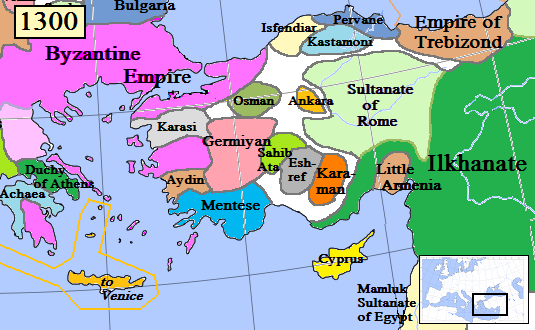


Origins and early history
Composed largely of light infantry called almogavars, together with supporting cavalry and crossbowmen, the company emerged from the military culture of the Crown of Aragon. Recruited as mercenaries to fight the Turks in Anatolia, they entered Byzantine service for a time and secured substantial pay and privileges. Relations with local authorities later deteriorated: Roger de Flor was assassinated in 1305, an event that triggered a fierce period of reprisals and independent campaigning across Thrace and Macedonia.
Composition and tactics
The Catalan Company's core fighters were experienced, hard‑pressed infantry skilled in rapid raids, ambushes and rough campaigning. Their mobility, intimate knowledge of rugged terrain, and ferocious fighting style made them effective against both Turkish horsemen and the heavy cavalry of western Latin lords. As contracted soldiers and opportunistic settlers, they combined military action with extortion, garrisoning and political bargaining.
Notable campaigns and political impact
- After leaving Byzantine pay, the company moved into Frankish Greece and decisively defeated the forces of the Duchy of Athens at the Battle of Halmyros (Cephissus) in 1311.
- Following that victory they established control over the duchy and later placed its rule under the protection of the Crown of Aragon, creating an Aragonese-Catalan presence in Greece.
- The company's activities disrupted Byzantine recovery efforts and altered local power balances, illustrating how mercenary bands could become territorial powers.
Historians study the Catalan Company as an example of how organized mercenary forces, motivated by pay, plunder and settlement, could transition into ruling authorities. Their story is documented in contemporary chronicles and later narratives that examine the interaction between Western and Byzantine worlds during a turbulent era.
For discussion of the group's origins and wider context of medieval mercenary activity, see general studies of Mediterranean military history and accounts of medieval mercenaries.
Related articles
Author
AlegsaOnline.com Catalan Company (Grand Catalan Company) Leandro Alegsa
URL: https://en.alegsaonline.com/art/17569
Sources
- umiacs.umd.edu : Catalan Company (1302-1388 AD) · archive.org
- wga.hu : History (14th century). Aragon