
Joan Kirner: Victorian Premier, Educator and Community Advocate
Joan Kirner (1938–2015) was an Australian educator, Labor politician and community activist who served in the Parliament of Victoria, becoming the state's first female premier and a prominent voice for education and social policy.
Joan Elizabeth Kirner (née Hood; 20 June 1938 – 1 June 2015) was an Australian educator, political leader and community activist. Best known for her time in state politics, she represented the Labor Party in the Parliament of Victoria from 1982 until 1994. Kirner rose to become Victoria's first female Premier, a milestone in the state's political history, and is remembered for her advocacy on education, women's issues and community services.
Image gallery
4 Images

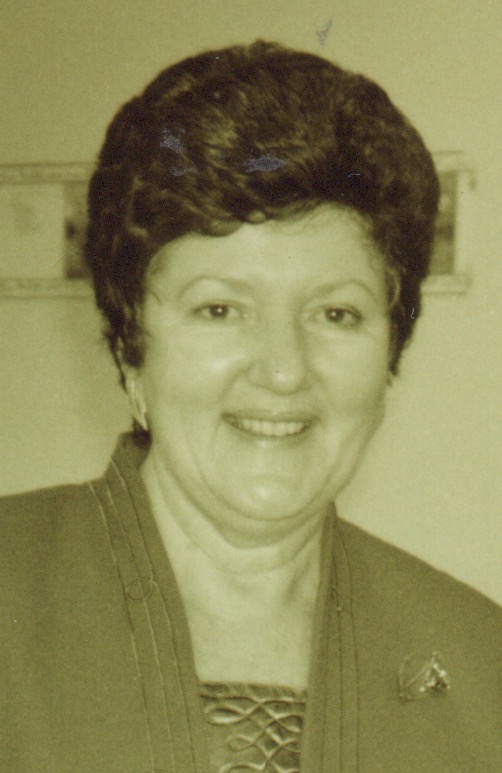

Early life and professional background
Kirner was born in Essendon, a suburb of Melbourne, on 20 June 1938. She trained and worked as a teacher before becoming active in community campaigns and education policy. Her background in schools and local organisations shaped her public priorities, bringing a practical focus on classroom conditions, youth services and adult education into her later political work. She married Ronald George Kirner and they had three children.
Political career and offices held
Kirner entered state parliament in 1982 and over the following decade held senior roles in government and opposition. Key positions she served include:
- Member of the Parliament of Victoria (1982–1994)
- Deputy Premier of Victoria (7 February 1989 – 10 August 1990)
- Premier of Victoria (10 August 1990 – 6 October 1992)
- Leader of the Opposition in Victoria (October 1992 – March 1993)
Her time as premier followed a period of internal party change and came during a challenging economic era for the state. As leader she confronted budgetary pressures, industrial and community expectations, and the political consequences that accompany managing a government during difficult financial circumstances.
Policy focus and public impact
Kirner's public reputation rested on a long-standing commitment to education reform, greater support for children and families, and attention to women's participation in public life. Her ministerial and parliamentary work emphasized improving access to education, promoting vocational and adult learning pathways, and strengthening community services. She also had a visible role in debates about the environment and regional services, reflecting prior community campaigning and conservation interests.
Later life, honours and legacy
After leaving active politics in 1994, Kirner remained engaged in public life through community organisations, advisory roles and advocacy. She was recognised with honours reflecting her years of public service, and continued to be cited as an influential figure in promoting women's leadership in Australian politics. Joan Kirner died from oesophageal cancer on 1 June 2015 in Melbourne, aged 76.
Notable facts
- She was the first woman to hold the office of Premier in Victoria, marking an important barrier-break in state government.
- Her career bridged professional experience as an educator and grassroots activism, which informed her policy priorities.
- She served during a turbulent economic and political period, and her leadership is frequently discussed in studies of state government responses to fiscal constraint.
For further reading on her life and career see biographical entries and contemporary accounts of Victoria's political history. More detailed sources can be consulted via official parliamentary records and archived news coverage for full timelines, speeches and policy documents. Contemporary profiles and historical overviews provide additional context on her influence within the Labor Party and on state policy.
Parliamentary records and community tributes preserve material on her ministerial initiatives and post‑political advocacy. Academic and journalistic analyses consider both the achievements and the constraints of her time in office, situating Joan Kirner as a significant figure in late 20th‑century Victorian public life. Her premiership remains a reference point in discussions about gender and leadership in Australian politics.
Related articles
Author
AlegsaOnline.com Joan Kirner: Victorian Premier, Educator and Community Advocate Leandro Alegsa
URL: https://en.alegsaonline.com/art/50372
Sources
- abc.net.au : "Former Victorian premier Joan Kirner dies aged 76"