
Joan Sutherland — Australian bel canto operatic soprano
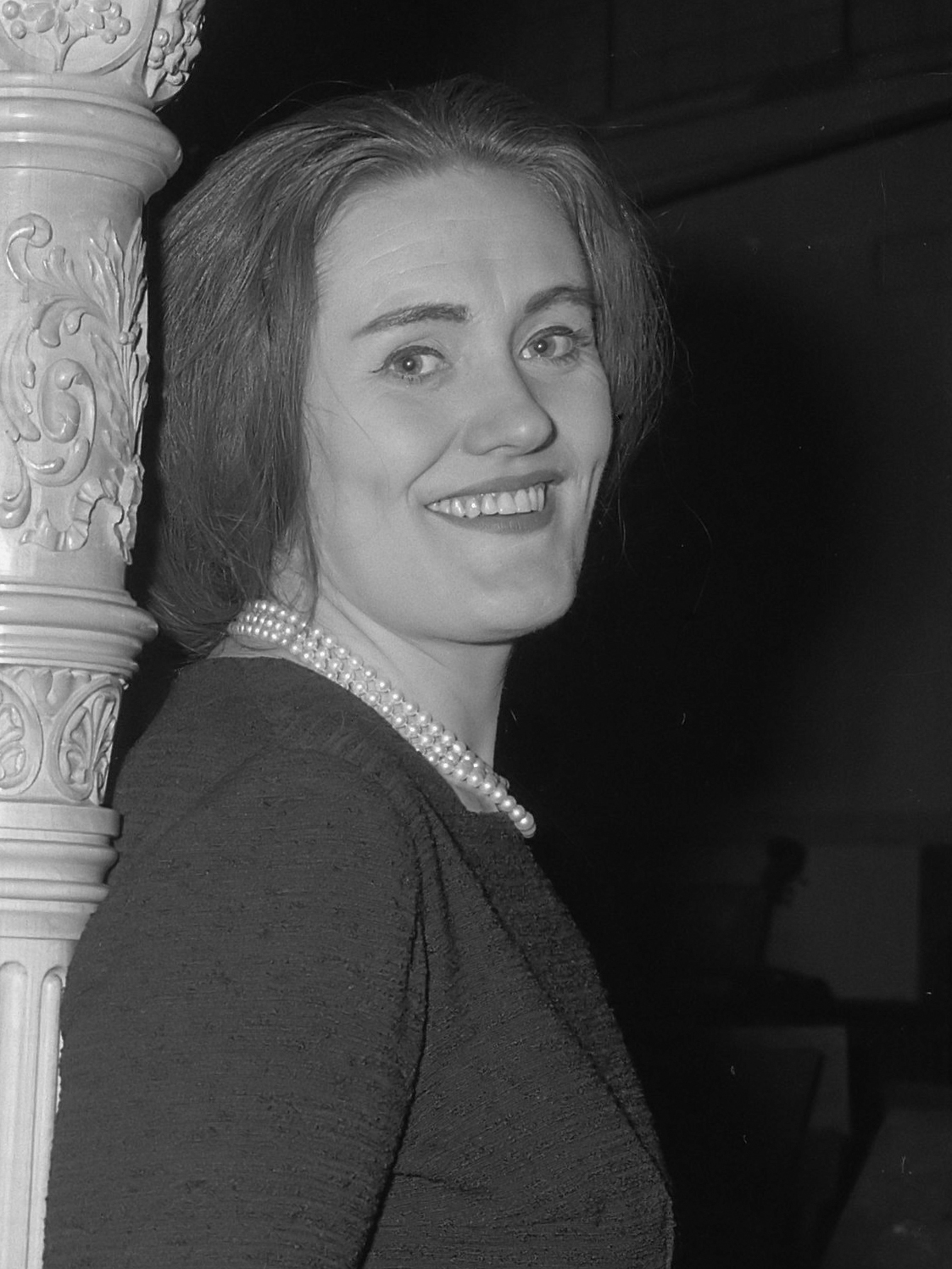
Dame Joan Sutherland (1926–2010) was an Australian operatic soprano famed for her bel canto technique, crystalline high register and a central role in reviving 19th‑century Italian and French opera.
Overview
Dame Joan Alston Sutherland OM AC DBE (7 November 1926 – 10 October 2010) was an Australian artist widely celebrated as an operatic soprano. She rose to international prominence in the mid‑20th century and became particularly associated with bel canto repertoire and with French operas. The Italian press nicknamed her La Stupenda in recognition of her luminous tone and dramatic presence.
Image gallery
4 Images


Voice and repertoire
Sutherland's voice combined a warm, secure middle register with exceptional agility and a brilliantly secure top. Critics and audiences admired the cleanliness of her coloratura, the elasticity of phrase and the sheen on high notes. These qualities suited the demanding vocal lines of composers such as Donizetti, Bellini and Rossini in works usually classed as bel canto, as well as several French‑language parts in which she demonstrated delicate phrasing and dramatic control.
Career and principal roles
Born in Sydney, Sutherland trained locally before continuing her studies overseas and beginning a career on major international stages. She performed at the great houses of Europe and North America, gaining acclaim for technically challenging and emotionally vivid portrayals. Her frequent collaborators included conductors and coaches who specialised in resurrecting lesser‑known 19th‑century scores.
- Lucia in Lucia di Lammermoor (Donizetti)
- Norma and other Bellini heroines
- Titles and leading roles in French operas
Recordings, impact and legacy
Sutherland made an extensive recording legacy that introduced many listeners to the art of bel canto singing and to works that had been performed rarely in the 20th century. Her collaborations on studio recordings and live performances helped stimulate a wider revival of interest in period repertoire and stylistic approaches to vocal ornamentation. She was widely admired for combining technical mastery with musical intelligence.
Honours and notable facts
Her formal honours reflect international recognition: the postnominals cited above mark appointments and orders awarded over a long career. Beyond official distinctions, Sutherland's influence is visible in the generations of singers, conductors and scholars who reassessed 19th‑century opera practice. For accounts of her life, repertory and recordings consult sources that document 20th‑century opera history and specialist discographies (further reading).
Questions and answers
Q: Who was Joan Sutherland?
A: Joan Sutherland was an Australian operatic soprano.
Q: What was Joan Sutherland particularly associated with in her singing career?
A: Joan Sutherland was particularly associated with bel canto repertory and French operas.
Q: What was remarkable about Joan Sutherland's voice?
A: Joan Sutherland possessed a voice of great beauty and considerable power combined with extraordinary agility and a brilliant upper register.
Q: Why was Joan Sutherland called La Stupenda?
A: Joan Sutherland was called La Stupenda by the Italian press, which means The Stupendous One, due to her remarkable singing ability.
Q: What were some of Joan Sutherland's notable accomplishments in her career?
A: Joan Sutherland won numerous awards, including the Grammy Lifetime Achievement Award, the Order of Merit, the Companion of the Order of Australia, and the Dame Commander of the Order of the British Empire.
Q: When was Joan Sutherland born and when did she pass away?
A: Joan Sutherland was born on November 7th, 1926 and passed away on October 10th, 2010.
Q: What is Joan Sutherland's legacy in the world of opera?
A: Joan Sutherland's legacy in the world of opera is that she was one of the most acclaimed and celebrated sopranos of the 20th century, renowned for her technical skill and emotional depth in her performances.
Related articles
Author
AlegsaOnline.com Joan Sutherland — Australian bel canto operatic soprano Leandro Alegsa
URL: https://en.alegsaonline.com/art/50379
Sources
- commons.wikimedia.org : Joan Sutherland
- news.brisbanetimes.com.au : Australian Soprano Dame Joan Sutherland dies
- opera-britannia.com : "Icons of Opera – Dame Joan Sutherland"