
University of Oregon
Public research university in Eugene, Oregon, founded in 1876. About 23,000 students, a 295-acre campus, notable facilities such as Hayward Field and Autzen Stadium, and a tradition of athletics and research.
Overview
The University of Oregon is a public research university located in the city of Eugene, Oregon. Founded in 1876, the institution has grown into a comprehensive university offering undergraduate, graduate and professional degrees. The campus occupies approximately 295 acres and includes more than sixty buildings across academic, residential and recreational uses. For official information, see the university site: University of Oregon and the city context at Eugene.
Image gallery
10 Images



Academics and research
UO organizes instruction through multiple colleges and schools that span the arts and sciences, professional programs, and graduate research. It offers bachelor's, master's and doctoral degrees and is known for active research programs in areas such as environmental science, public policy, business studies, and media and journalism. Enrollment is roughly 22,980 students, a figure that reflects both full- and part-time learners from across the United States and abroad. The university’s role within the broader higher-education system of the United States includes collaboration with public agencies and private partners.
Campus and facilities
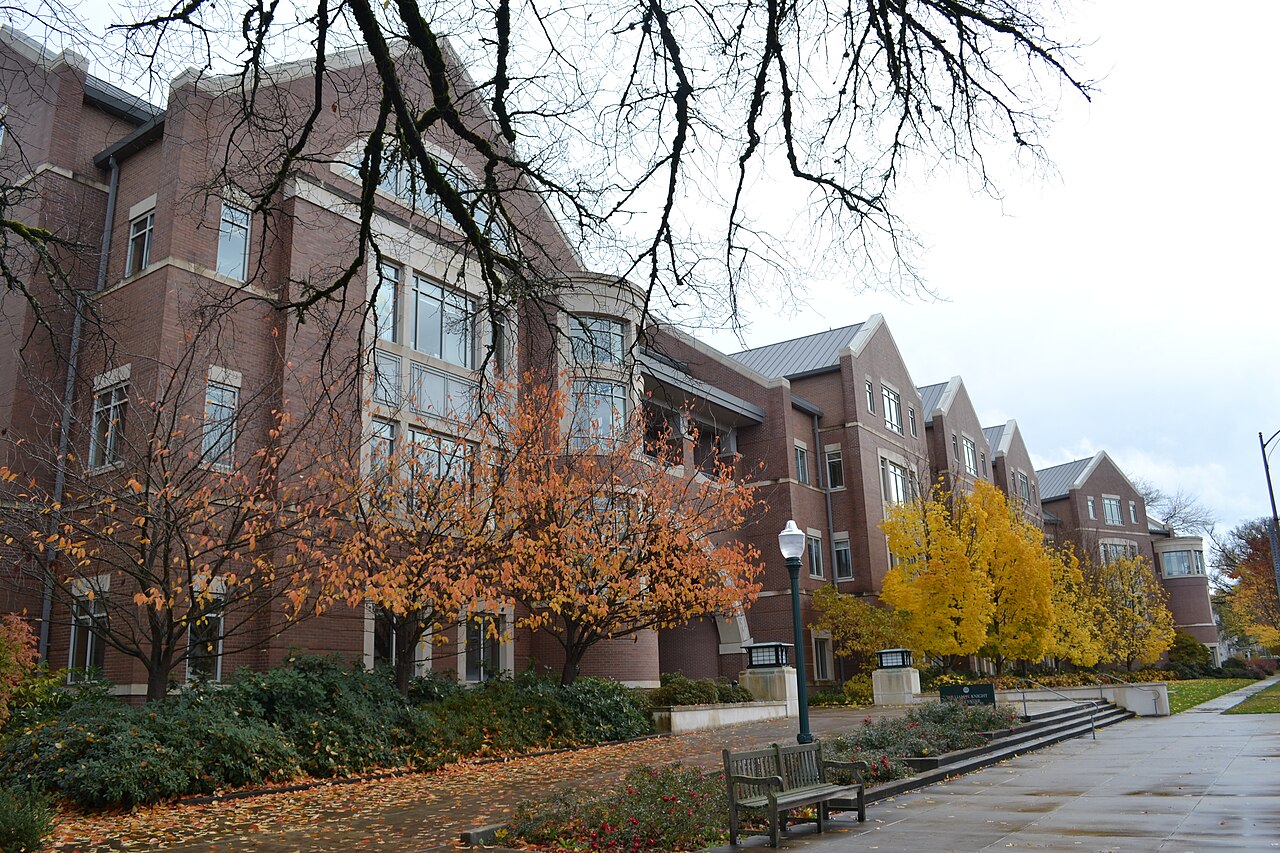
The physical campus blends academic buildings with open green spaces. Notable landmarks include Hayward Field, historically important for track and field events, and Autzen Stadium, the venue for major football games. The central library, lecture halls and specialized research facilities support student and faculty activity. A campus map and list of buildings are available through university resources: campus buildings and facilities.
Student life, athletics, and community
Student life at the University of Oregon encompasses a wide range of clubs, cultural organizations and community service programs. The university’s athletic teams, commonly known as the Ducks, are a visible part of campus identity and tradition. Athletics, performing arts, and outdoor activities form common avenues for student engagement and community outreach. Information on student programs and teams can be found via student services and athletics pages.
Notable features and history
Since opening in the late 19th century, the university has expanded its curriculum and physical footprint while maintaining a tree-rich landscape—reports note over 500 types of trees across the grounds. Its evolution reflects broader changes in higher education in Oregon, including growing emphasis on research, public service and partnerships. For more about the campus environment and natural resources, see this resource: campus trees and grounds.
- Founded: 1876
- Campus area: ~295 acres
- Buildings: more than sixty
- Students: approximately 22,980
The University of Oregon continues to balance teaching, research and public engagement, serving as a significant educational institution in the Pacific Northwest.
Related articles
Author
AlegsaOnline.com University of Oregon Leandro Alegsa
URL: https://en.alegsaonline.com/art/103313
Sources
- endowmentinstitute.org : "University of Oregon Endowment"
- uoregon.edu : About the UO - University of Oregon
- uoregon.edu : "About the UO - University Of Oregon"
- commons.wikimedia.org : University of Oregon