
Joachim Rønneberg — Norwegian commando and resistance leader (1919–2018)
Norwegian Army officer Joachim Rønneberg led the famous 1943 Operation Gunnerside against the Vemork heavy-water plant. Later a broadcaster, he became a public face of Norway’s wartime resistance.
Overview
Joachim Holmboe Rønneberg (30 August 1919 – 21 October 2018) was a Norwegian military officer and broadcaster best known for his leadership in the wartime sabotage action that disrupted German heavy‑water production. He served in the Norwegian resistance and in exile with specially trained commando units in Britain before returning for operations in occupied Norway. His life combined wartime action, postwar public service and decades of speaking about resistance history.
Image gallery
3 Images

Early life and military beginnings
Rønneberg reported for national service in 1938. In early 1940 he was instructed to report for duty with the surveying department, a detail that placed him in the prewar military system when Norway was invaded. After the German occupation, he escaped to the United Kingdom and joined Norwegian forces in exile where volunteers were trained for clandestine operations. This period shaped his skills in skiing, small‑unit tactics and sabotage.
Operation Gunnerside and resistance activity
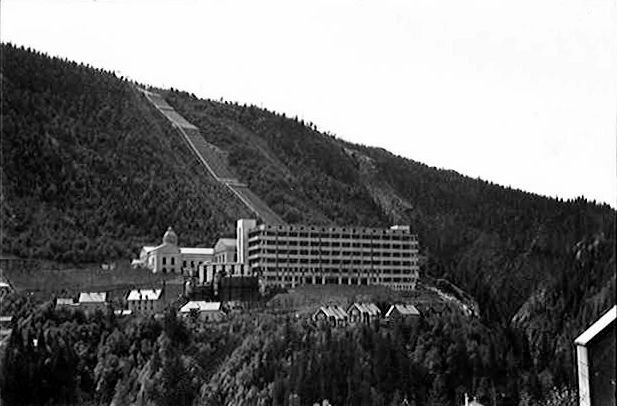
Rønneberg is most widely associated with Operation Gunnerside, the February 1943 raid on the Vemork hydroelectric plant near Rjukan. The plant produced heavy water (deuterium oxide), a material of interest to German research into nuclear technology. Rønneberg led a small team of Norwegian commandos who parachuted or traversed difficult terrain to infiltrate the facility and destroy critical equipment. The mission is regarded as one of the Allied resistance’s most successful acts of sabotage during World War II.
Training and organization
Rønneberg trained with Norwegian special forces formed in Britain, often called commandos or by their unit names. Training emphasized mountain movement, demolition methods and survival under severe conditions. Operations like Gunnerside combined intelligence from local resistance networks with the skills taught by the exile forces, demonstrating an interplay between local knowledge and formal military instruction.
Later life, recognition and public role
After the war Rønneberg worked in broadcasting and became a prominent public speaker, recounting wartime experiences and commemorating those who fought in the resistance. He received British and Norwegian honors for his wartime leadership, including the Distinguished Service Order. He continued to participate in public memory work and educational efforts until late in life. Rønneberg died on 21 October 2018 at the age of 99.
Legacy and notable points
- Operation Gunnerside is frequently cited in histories of resistance as a model of small‑unit sabotage against strategic industrial targets.
- Rønneberg’s combination of field command and later public engagement helped preserve firsthand accounts of occupied Norway and the resistance movement (resistance work).
- His story illustrates how specialized training, local intelligence and determination combined to influence broader Allied efforts against Axis research and industry.
Related articles
Author
AlegsaOnline.com Joachim Rønneberg — Norwegian commando and resistance leader (1919–2018) Leandro Alegsa
URL: https://en.alegsaonline.com/art/50355
Sources
- snl.no : "Joachim Rønneberg"
- forsvarsforening.no : "Joachim Rønneberg: "Kanskje var fremtiden vår kort i 1940"" · web.archive.org
- avisenagder.no : "Krigsveteranen Joachim Rønneberg er død, 99 år gammel"