
Jichang Garden — Classical Chinese Garden in Wuxi, Jiangsu
Jichang Garden is a historic classical Chinese garden in Wuxi, Jiangsu. Noted for its rockeries, ponds, pavilions and winding paths, it reflects Ming–Qing garden traditions and was protected in 1988.
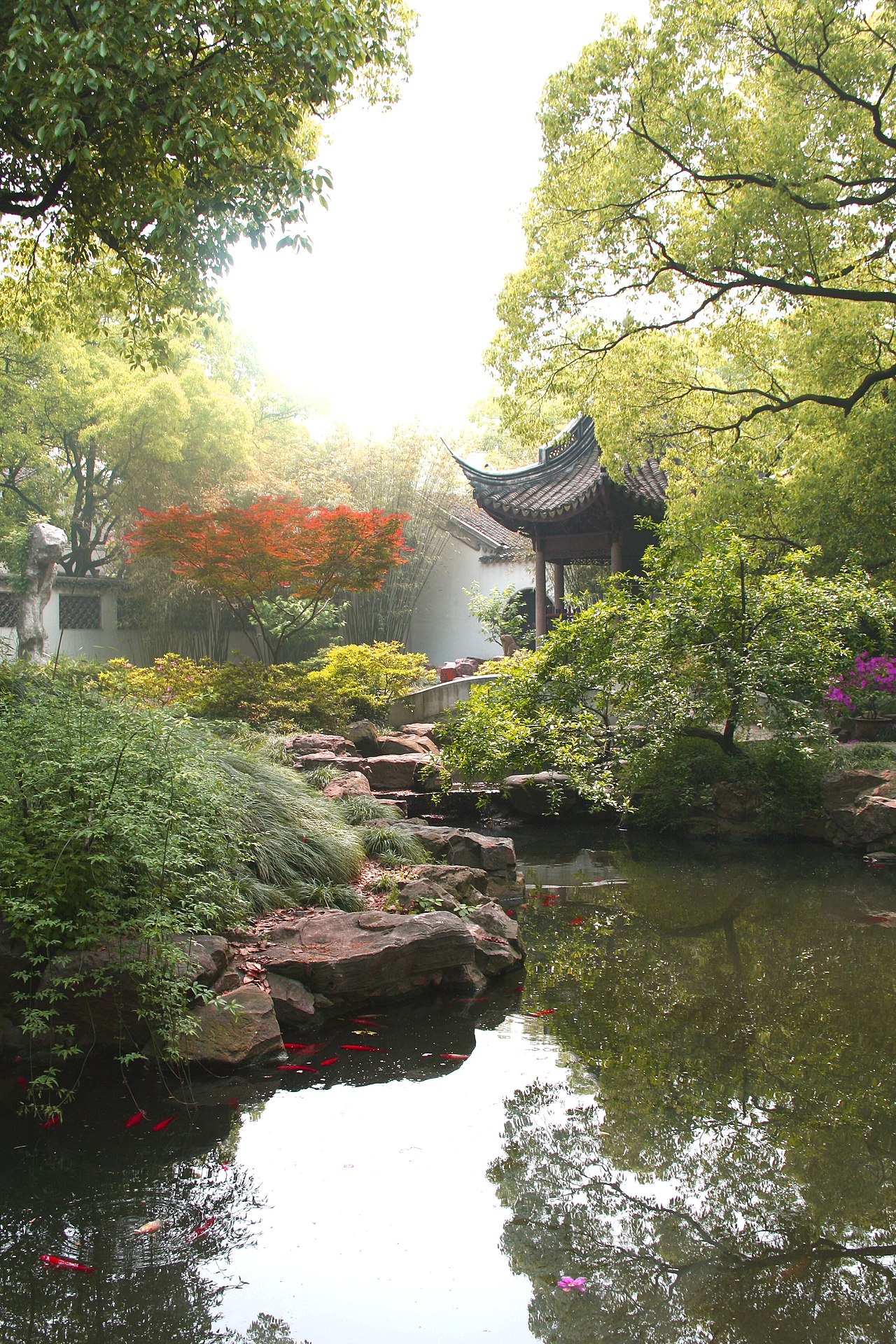
Jichang Garden (Chinese: 寄畅园) is a celebrated classical garden located in Wuxi, in Jiangsu Province, eastern China. Set near the foot of Huishan and close to Huishan Temple, the garden occupies a compact site where built structures and natural elements are closely interwoven. It is recognized for its elegant arrangement of water, rock, plants and architecture that together create a sequence of framed views and contemplative spaces.
Image gallery
3 Images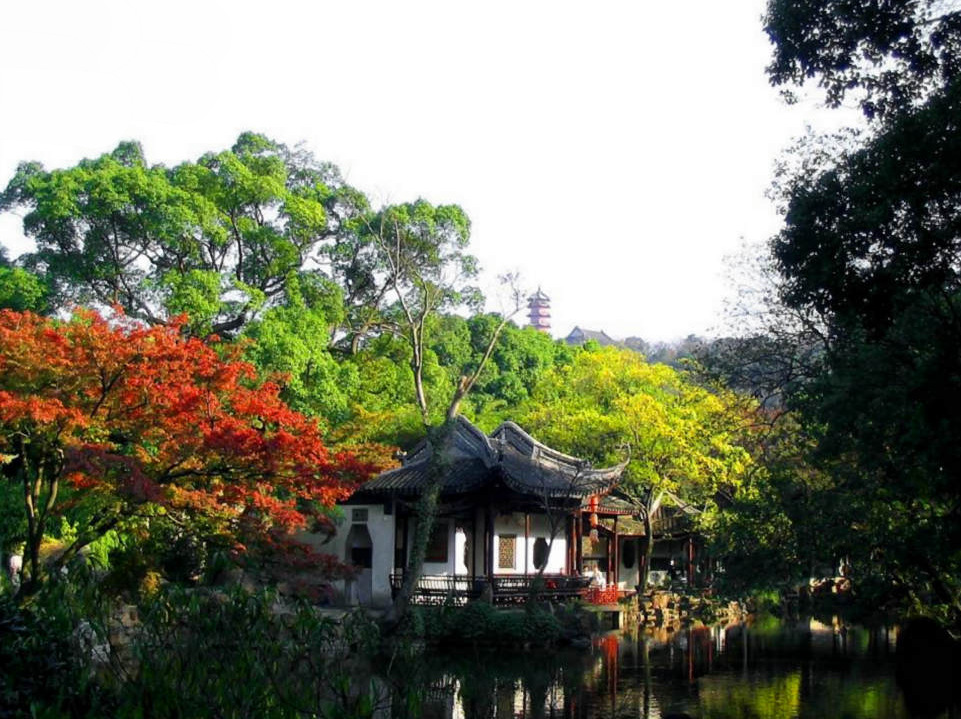

Layout and principal features
Jichang Garden exemplifies several features typical of Jiangnan (south-of-the-Yangtze) gardens: ponds that reflect pavilions, carefully composed rockeries, covered corridors, intimate halls and deliberately winding walkways. These components are arranged to encourage exploration and changing perspectives, using techniques often described as "borrowed scenery" to incorporate nearby hills and temples into the garden experience. Decorative elements such as carved windows, inscribed stones and ornamental bridges further enrich its visual vocabulary.
History and development
The garden shows the influence of Ming and Qing dynasty garden-making traditions, having been developed and altered over successive owners and eras. On 13 January 1988 Jichang Garden was designated a nationally protected site of historical and cultural interest, recognizing its architectural and landscape value and ensuring official conservation measures. Its evolution illustrates how private gardens were condensed into compact, multi-layered compositions that balance architecture with natural forms.
Comparisons and notable parallels
Jichang Garden is often compared with other famous imperial and private gardens for its style and layout. Two frequently cited parallels are Xiequ Garden in the Summer Palace and the Double‑Crane House (Guo Ran Da Gong) in Yuanming Yuan. While each garden has its own scale and historical context, they share compositional ideas—rocky outcrops, water features and pavilions integrated to create poetic scenes—that reflect a common aesthetic in classical Chinese garden design.
Visiting and cultural significance
Today Jichang Garden is valued both as a tourist destination and as a cultural resource for studying traditional landscape architecture. Visitors typically follow narrow paths that reveal framed views, cross small bridges and enter pavilions intended for quiet viewing or scholarly pastime. The garden’s proximity to Huishan Temple adds historical layers to a visit, linking landscape, religion and urban history. Conservation efforts aim to preserve original layouts and features while accommodating public access and interpretation.
- Typical elements: ponds, rockeries, pavilions, corridors, decorative windows.
- Significance: example of Jiangnan garden aesthetics, nationally protected since 1988.
- Context: part of a wider tradition represented also at the Summer Palace and Yuanming Yuan.
Questions and answers
Q: Where is Jichang Garden located?
A: Jichang Garden is located in Wuxi, Jiangsu Province, China.
Q: What is the significance of Huishan Temple in relation to Jichang Garden?
A: Huishan Temple is located close to Jichang Garden.
Q: When was Jichang Garden claimed as a national protected location of historical and cultural relics?
A: Jichang Garden was claimed as a national protected location of historical and cultural relics on 13 January 1988.
Q: What are Xiequ Garden and Guo Ran Da Gong in relation to Jichang Garden?
A: Xiequ Garden in the Summer Palace and Guo Ran Da Gong (or, Double-Crane House) in Yuanming Yuan in Beijing are both similar to Jichang Garden.
Q: What is the Chinese name for Jichang Garden?
A: The Chinese name for Jichang Garden is 寄畅园.
Q: What is the significance of national protected location of historical and cultural relics?
A: National protected location of historical and cultural relics means that the place is important to the cultural heritage and history of a country and is protected by law from being destroyed, damaged, or altered without permission.
Q: What is the significance of Jichang Garden?
A: Jichang Garden is significant as a national protected location of historical and cultural relics, indicating its importance to the cultural heritage and history of China.
Related articles
Author
AlegsaOnline.com Jichang Garden — Classical Chinese Garden in Wuxi, Jiangsu Leandro Alegsa
URL: https://en.alegsaonline.com/art/50165
Sources
- commons.wikimedia.org : Jichang Garden