
Jethro Tull: British rock band led by Ian Anderson
Jethro Tull are an English rock band formed in Blackpool in 1967, known for blending rock, folk and progressive elements and for Ian Anderson's distinctive flute-led sound and theatrical stage presence.
Jethro Tull is an English rock band formed in Blackpool in 1967. With Ian Anderson as frontman, primary songwriter and the group's most recognisable personality, the band gained prominence for combining hard rock energy, acoustic folk influences and extended progressive-rock arrangements. Their repertoire includes well-known songs such as "Aqualung", "Locomotive Breath" and "Living in the Past", and they achieved commercial and critical attention during the late 1960s and 1970s.
Image gallery
10 Images





Musical characteristics
The band's sound is notable for its unusual instrumentation in rock contexts, most famously Anderson's use of the flute as a lead instrument alongside electric guitar, bass and drums. Acoustic guitars, folk rhythms, complex time signatures and long, thematic compositions are common in their work, producing a blend that crossed folk-rock and progressive-rock boundaries. Vocals are often narrative or theatrical, and the group experimented frequently with song formats and production techniques.
Origins and development
Formed in the late 1960s, Jethro Tull evolved through a series of lineup changes as the band's sound developed from blues and psychedelic roots into more structured, concept-driven music. The name itself was taken from the 18th-century agriculturalist Jethro Tull, a choice reflecting a distinctly British sensibility even as the band drew on diverse musical traditions. Early albums established the band in the British rock scene and paved the way for their most ambitious records.
Key recordings and songs
- Aqualung — a landmark album that contains both radio-friendly tracks and more complex pieces.
- Thick as a Brick — a single continuous composition framed as a concept album and often cited as a progressive-rock high point.
- Living in the Past — an earlier single that showcased the band's interest in odd metres and folk textures.
- Other enduring tracks include "Locomotive Breath" and several instrumentals and acoustic pieces used in live sets.
Live performance and lineup
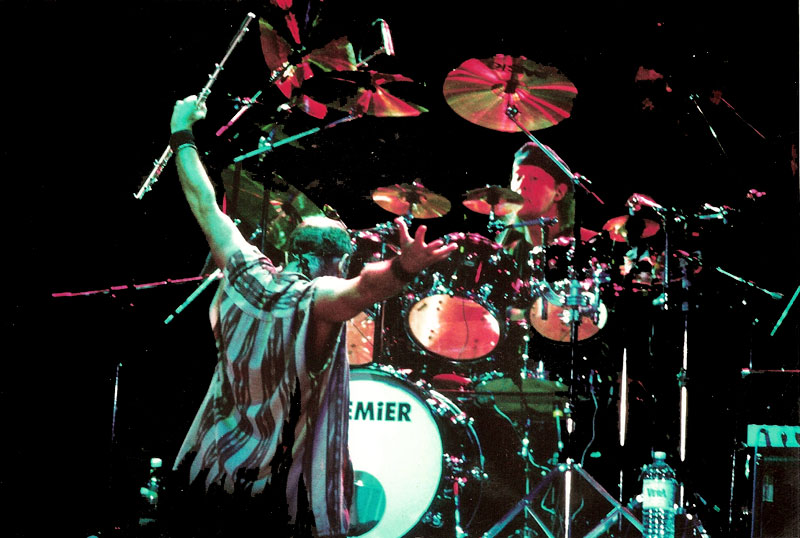
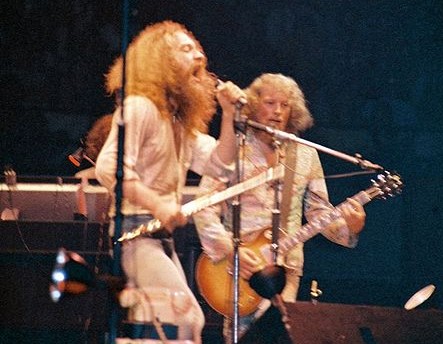
On stage, Jethro Tull became known for theatrical presentation: Anderson frequently performed standing on one leg while playing flute, a visual motif associated with the band. Over the decades the lineup changed repeatedly, with Anderson remaining the constant member and primary creative force. These personnel shifts influenced stylistic changes and allowed incorporation of jazz, folk and orchestral elements at various times.
Legacy and distinctions
Jethro Tull's influence is seen in the way they widened the palette of rock instrumentation and helped popularise the idea of album-length concepts. They achieved lasting recognition for their adventurous arrangements and for bringing acoustic and folk instruments into mainstream rock. The band's catalogue continues to be reissued and reassessed, and their experimentation has been cited by musicians working in progressive, folk-rock and eclectic rock genres. For more background on their origins and discography see regional histories and dedicated music resources England.
Related articles
Author
AlegsaOnline.com Jethro Tull: British rock band led by Ian Anderson Leandro Alegsa
URL: https://en.alegsaonline.com/art/50101