
Jew's harp (jaw harp): overview, history and playing technique
A small, ancient plucked instrument held to the mouth. Produces overtone-rich tones by changing mouth shape; known worldwide by names such as jaw harp, dan moi, khomus and morsing.
The Jew's harp, also called the jaw harp or mouth harp, is a compact plucked instrument that uses the human mouth as a resonating chamber. It consists of a flexible tongue or lamella attached to a frame; when the lamella is plucked it vibrates and the player shapes the sound by varying the mouth cavity and breathing. Despite its common English name, the instrument's origin and distribution are not connected to any single ethnic group.
Image gallery
10 Images


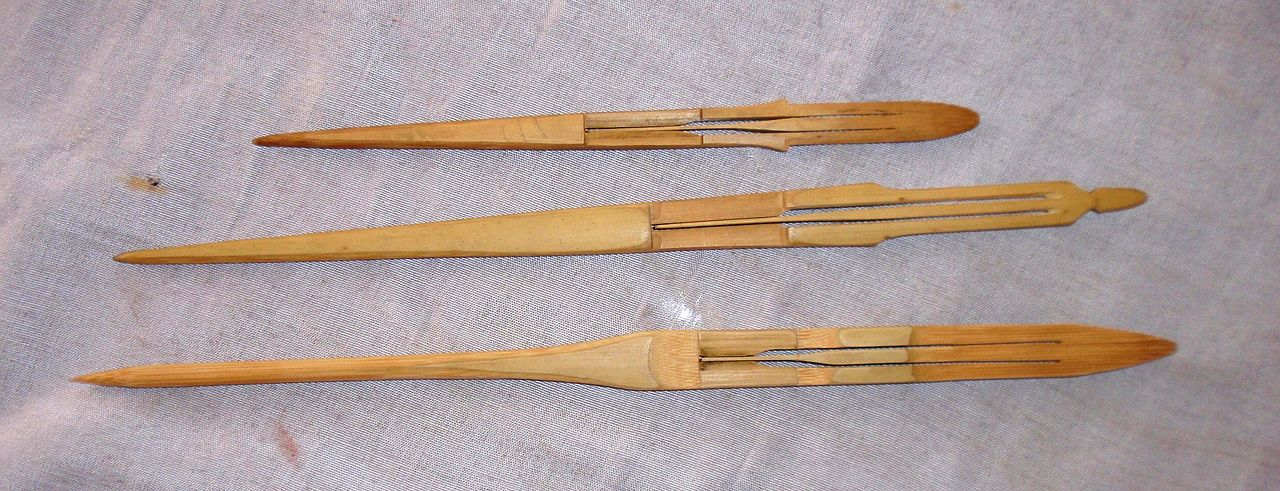


Characteristics and parts
- Frame: a rigid loop or bow that the performer holds against the teeth or lips.
- Lamella (tongue): the vibrating metal or bamboo reed that is plucked to produce sound.
- Materials & sizes: made from metal, bamboo or wood; size affects pitch and volume.
- Names: known by many regional names—jaw harp, mouth harp, dan moi, morsing, khomus, guimbarde, morchang—reflecting its worldwide presence.
Sound production relies on the interaction between the vibrating lamella and the changing shape of the oral cavity. Players emphasize different overtones by moving the tongue, lips and throat, and by controlling airflow. Some techniques add percussive or rhythmic effects by tapping or breathing patterns.
Historically, instruments of this family appear in a wide range of cultures across Asia, Europe and the Arctic; archaeological finds and traditional use indicate it is an old and widely adopted instrument. Exact origins are debated, and similar forms may have arisen independently in different regions.
In musical practice the Jew's harp is used for solo melody, drones, rhythmic accompaniment and as an effect in contemporary and folk ensembles. Its timbre is distinctive—overtone-rich and portable—so it is often employed for intimate or pastoral music. Learning basic techniques requires practice of mouth shaping and coordination rather than extensive finger movements.
Notable features include small size, low cost and the importance of the player's mouth as the tuning resonator. The common English name has uncertain etymology and should not be read as implying any ethnic association. For further general information and resources, see additional reading.
Related articles
Author
AlegsaOnline.com Jew's harp (jaw harp): overview, history and playing technique Leandro Alegsa
URL: https://en.alegsaonline.com/art/50135