
Jet (lignite) — fossilized wood gemstone and mineraloid
Jet is a compact, black variety of fossilized wood (lignite) prized as a gemstone and carving material; known for its deep black color, historical use in jewelry, and organic origin as a mineraloid.
Overview
Jet is a dense, typically black or very dark brown material formed from decaying wood that has been buried and altered by pressure and heat over geological time. Often classified as a variety of lignite or compacted fossilized wood, jet has been used for beads, pendants and small sculpted objects since prehistoric times. Because it is derived from organic matter rather than crystallizing as an inorganic mineral, it has commonly been described as a mineraloid rather than a true mineral; discussions about classification sometimes refer to broader debates over organic versus inorganic origins (mineraloid, organic material).
Image gallery
8 Images



Physical characteristics
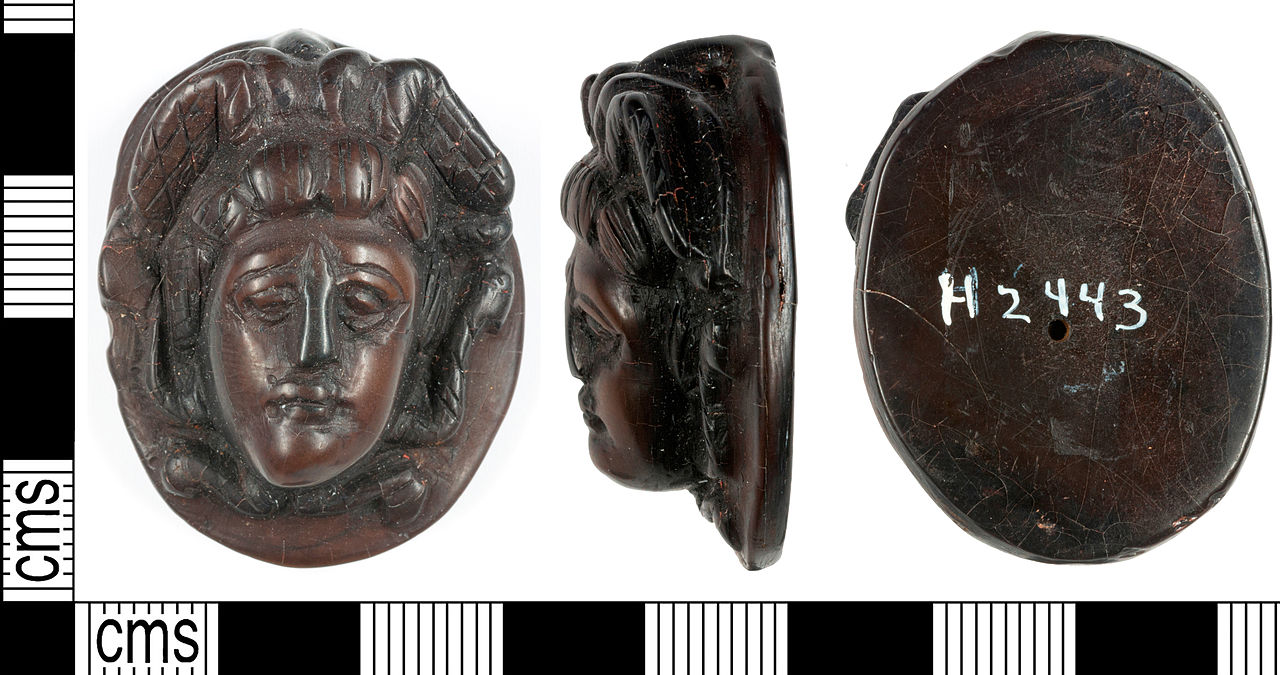
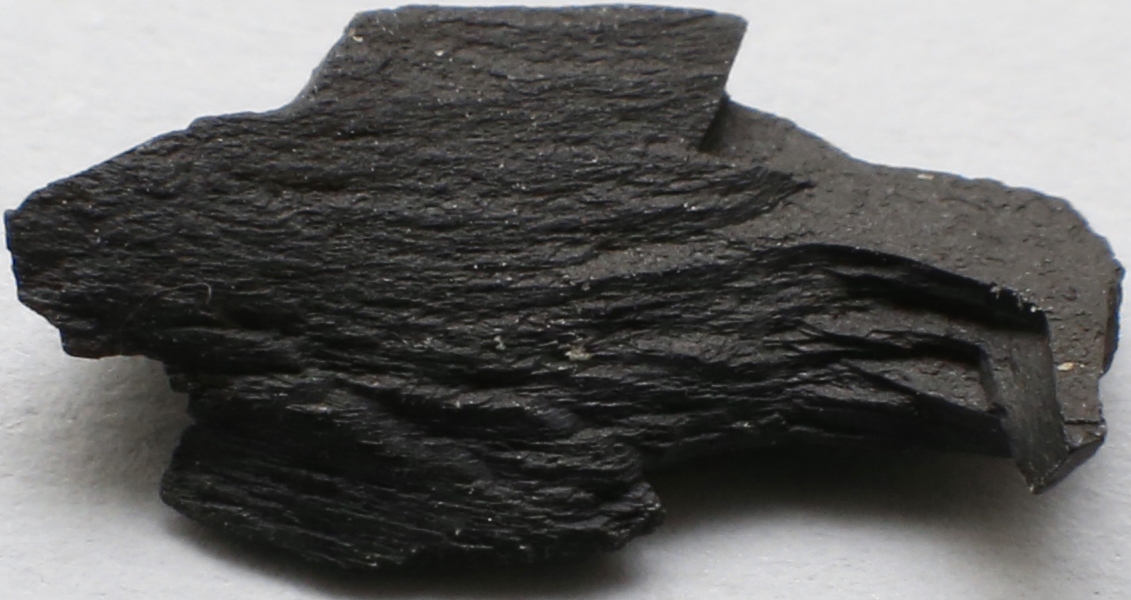
Jet is lightweight compared with many gemstones and can be carved easily, taking a high, soft polish that gives it an attractive shine. Its color ranges from deep black to dark brown; in some pieces small metallic inclusions of pyrite produce brassy specks or veins that contrast with the dark matrix. These pyrite inclusions are a common and distinctive feature in some deposits (pyrite).
Formation and notable sources
The material forms where woody plant remains become buried in sediment and subjected to compaction, chemical alteration and mild heating. Over long periods this process reduces volatile components and consolidates the material into a dense, coal-like substance. Famous historical sources include coastal exposures in northern England — especially Whitby — where jet has been gathered and worked since at least Roman times. Other occurrences are found in parts of mainland Europe and in fossil-bearing sedimentary basins elsewhere.
Uses and cultural importance
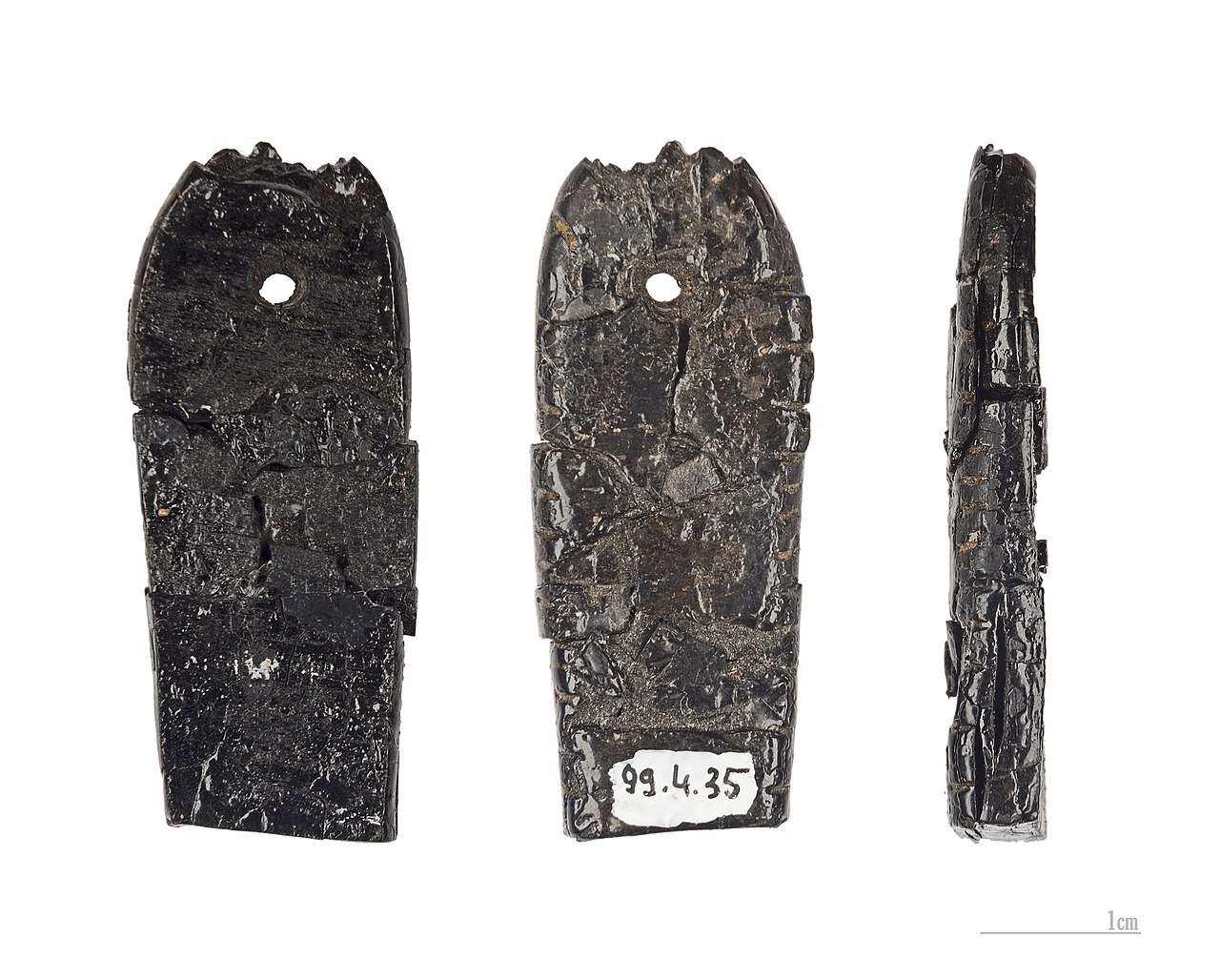
Jet has a long history of human use. Archaeological finds show jet beads and small ornaments in Neolithic and Bronze Age contexts in Europe. The material was popular for amulets and personal adornment in Roman and medieval periods. In the 19th century jet became closely associated with mourning jewelry in Britain and other countries, when it was fashioned into brooches, necklaces and other accessories. Even today jet is used by artisans for small carved objects and traditional jewelry.
Identification and similar materials
Because many black materials can resemble jet, a number of practical observations are used to distinguish it. Jet is generally warm to the touch and lighter than glass or stone; it polishes to a soft sheen. Some tests noted by gem and antique specialists rely on differences in smell when heated slightly or on how the material responds to a needle or solvents, but such tests can damage objects and should be applied cautiously. Jet may be confused with bog oak, petrified wood, ebonite (vulcanized rubber), or modern black plastics; professional assessment is recommended for valuable or historic pieces.
Notable facts and conservation
Besides its decorative use, jet carries cultural associations — for example, the term "jet-black" derives from the intense darkness of high-quality jet. Historic pieces, especially those from well-known sources, are collectible and often require careful conservation because the material, while durable, can be sensitive to harsh chemicals and extremes of temperature. For further general information on mineral and organic classification see the linked entries above.
Related articles
Author
AlegsaOnline.com Jet (lignite) — fossilized wood gemstone and mineraloid Leandro Alegsa
URL: https://en.alegsaonline.com/art/50091
Sources
- gly.uga.edu : gly.uga.edu/railsback/Fundamentals/SFMGMineralDefinition09-II.pdf
- gly.uga.edu : gly.uga.edu/railsback/Fundamentals/SFMGMineralDefinition09-III.pdf
- dx.doi.org : 10.1017/S0016756800031496