
Jester: history, dress, role and cultural legacy
A jester (fool) is a historical entertainer known for colorful dress, comic performance and a special social role in courts and communities. This article covers appearance, origins, functions and lasting influence.
Overview
A jester — also called a fool, joker, or buffoon — is a performer historically associated with courts and public celebration who combined comedy, music, storytelling, acrobatics and pointed satire. Jesters entertained audiences but also occupied a complex social role: they amused nobles and commoners alike while sometimes testing boundaries of speech and behaviour. The term overlaps with other kinds of comic performers and modern clowns, and the general idea of a licensed mocker endures in literature and popular culture. See more on the general concept of entertainer.
Image gallery
10 Images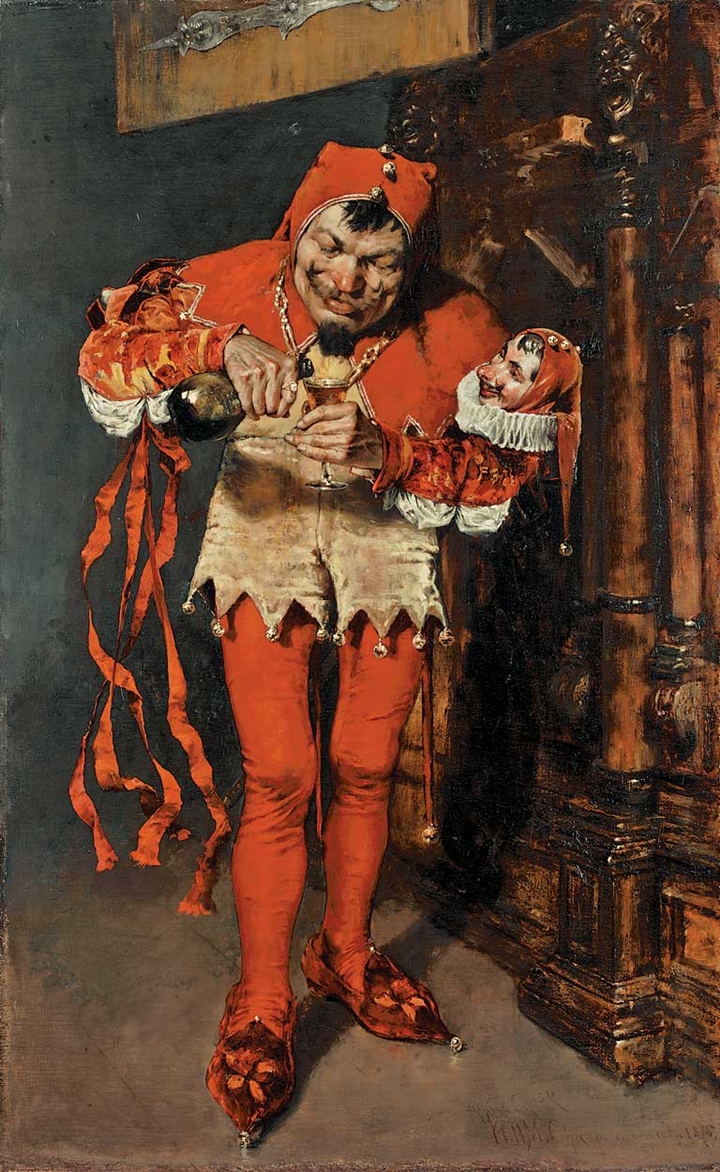



Appearance and props
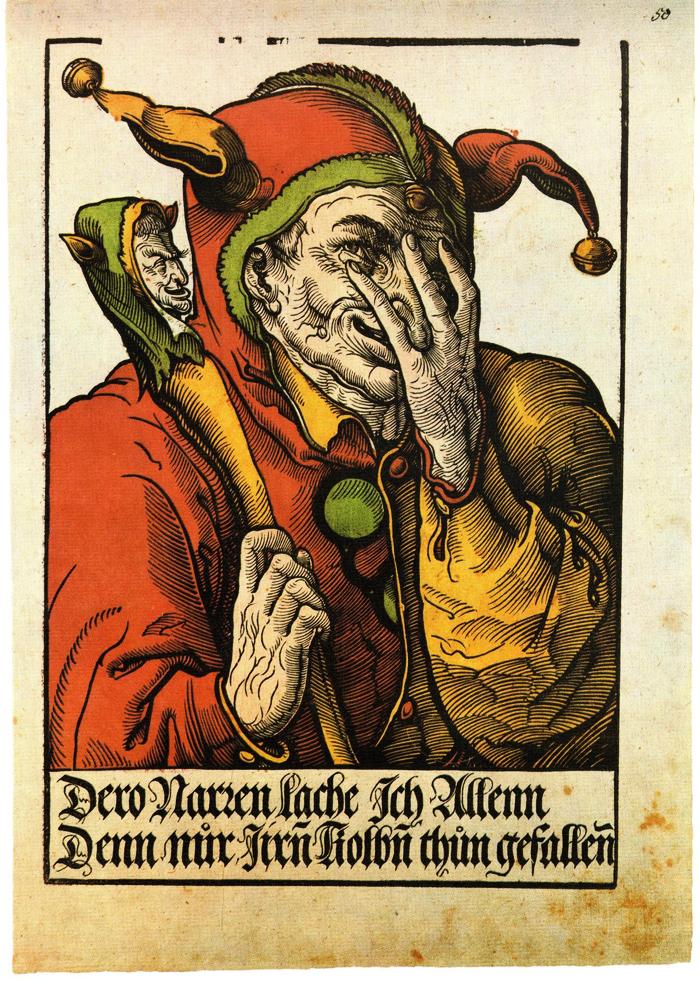
Traditional imagery of a jester emphasizes bright, mismatched clothing called motley, and distinctive headgear. The familiar three‑pointed cap — often named a fool's cap, cockscomb or cap 'n bells — may have small bells at each tip and is designed to exaggerate the wearer’s silhouette. Jesters commonly carried a mock sceptre called a bauble, used as a comic prop. Other features associated with the role include painted or exaggerated facial expressions, rapid costume changes, and musical instruments such as the lute or pipe.
History and development
Although most strongly associated with the European Middle Ages, the idea of the fool appears in many cultures and periods. Royal courts in medieval and early modern Europe often kept a designated fool or court jester; such figures appear in chronicles, drama and art. Literary fools — including those in Elizabethan drama — preserved and shaped popular images of wit combined with social license to criticize. Some traditions trace symbolic elements of the costume to older folk customs and carnival disguise.
Role and social function
Beyond simple amusement, jesters served several functions: personal entertainer to a monarch or noble, social commentator who could satirize behaviour with less risk than others, and participant in festivals and public ceremonies. Their repertoire could range from improvisation and wordplay to songs, storytelling and physical comedy. In some courts a fool enjoyed unusual freedoms and close access to power; in others the position was precarious and dependent on patronage.
Variants, distinctions and legacy
- Court fool: an official retained by a noble household.
- Itinerant or street fool: a travelling performer or carnival entertainer.
- Literary fool: characters in drama and poetry who reveal truths under the guise of folly.
Modern descendants include stage clowns, satirical comedians and certain theatrical stock figures such as the Harlequin. The three‑pointed cap has been interpreted in folklore as echoing an ass's ears or tail, an association noted in some traditions and images; for an example of visual and folkloric discussion see related material. The jester remains a lasting symbol of humor, social critique and the paradoxical freedom of the fool.
Related articles
Author
AlegsaOnline.com Jester: history, dress, role and cultural legacy Leandro Alegsa
URL: https://en.alegsaonline.com/art/50066