
Jerome Ch'en — Historian of Modern China (1919–2019)
Profile of Jerome Ch'en, a Chinese-Canadian historian who taught at Leeds and York, led JCAPS, and made lasting contributions to the study of modern Chinese history.
Jerome Ch'en (Chinese name 陳志讓, pinyin Chén Zhìràng; born Ch'en Chih-jang, October 2, 1919 – June 17, 2019) was a prominent Chinese–Canadian historian and academic. He specialized in modern Chinese history, combining archival research and narrative biography to explore political change, social forces, and intellectual currents in late imperial and Republican China. Over a career spanning several countries, Ch'en became known as a careful scholar, a mentor to students, and a bridge between Chinese and Western academic communities.
Image gallery
1 Image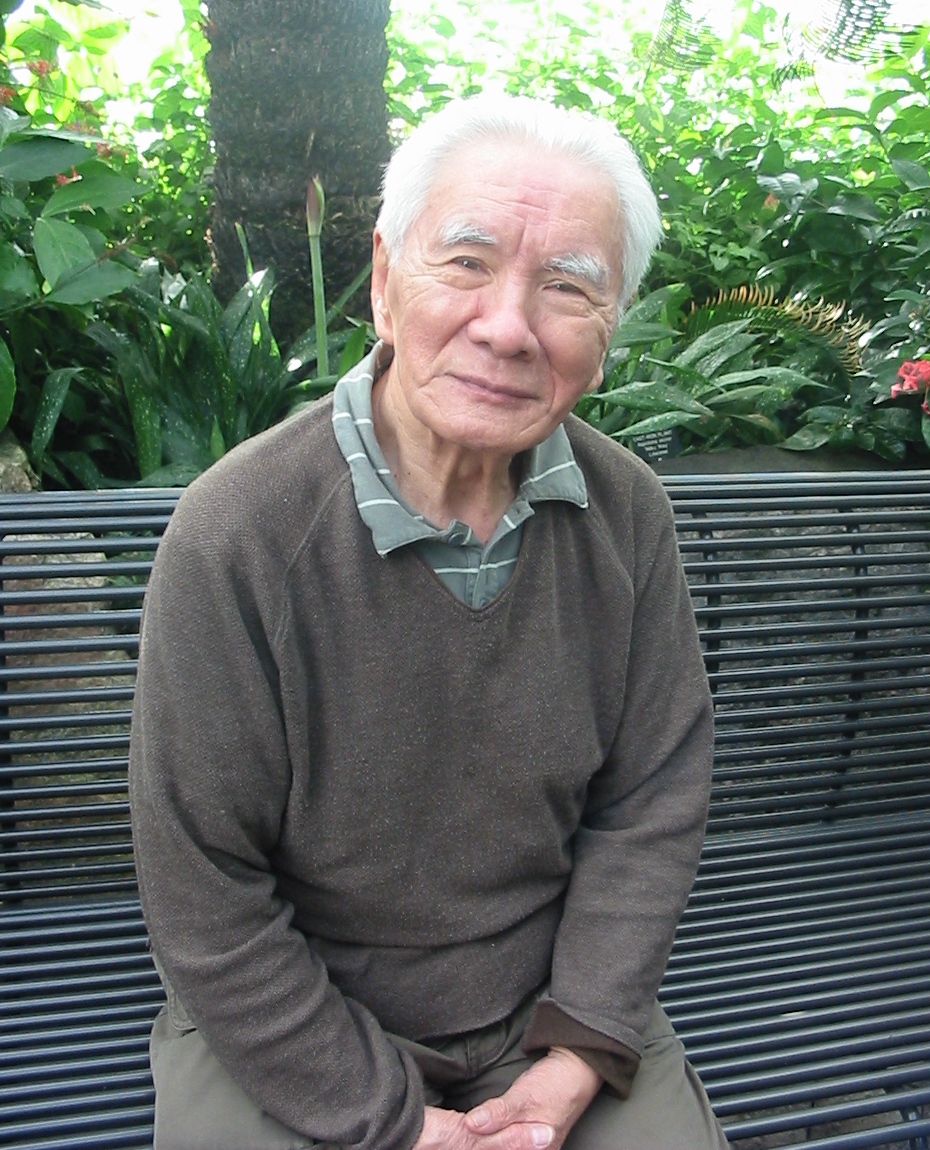
Education and academic career
Ch'en began life in Chengdu, in the province of Sichuan. After early studies in China and further training abroad, he taught at the University of Leeds in the United Kingdom before emigrating to Canada. From 1971 until his retirement in 1987 he served on the faculty of York University in Toronto, Ontario, where he taught Chinese history and supervised research at both undergraduate and graduate levels. He also directed the joint University of Toronto/York Centre for Asia Pacific Studies (JCAPS) from 1983 to 1985, helping to build institutional links across campuses and disciplines. He remained active in research and public discussion after formal retirement, living later in St. Catharines, Ontario.
Research interests and contributions
Ch'en's scholarship focused on the transition from imperial to modern China, including political personalities, institutional change, and social transformations of the nineteenth and twentieth centuries. He published books and articles that combined political narrative with attention to social context, language that aimed to be accessible to students and general readers as well as specialists. His work emphasized the contingency of historical events and the importance of archival evidence, oral testimony, and comparative perspective in reconstructing the complexities of China’s modern past.
Honors and influence
In recognition of his scholarship, Ch'en was elected a Fellow of the Royal Society of Canada (FRSC) in 1981 and was named Distinguished Research Professor at York University in 1984. Colleagues and former students remember him for rigorous standards, wide learning, and a generous approach to supervision that nurtured careers in academia and public history. His bilingual background and cross-cultural experience helped bring Chinese historical studies to broader audiences in North America and Europe.
Legacy and significance
Jerome Ch'en's career illustrates the internationalization of area studies in the twentieth century: trained in Chinese language and sources, he worked in British and Canadian institutions to create scholarly connections and curricular programs. His publications and teaching contributed to a deeper understanding of how political change, intellectual debates, and social forces interacted during China's modernization. As a figure who combined scholarly rigor with public engagement, Ch'en remains a reference point for students of Republican and modern Chinese history.
Selected topics and themes
- Modernization and political reform in late Qing and Republican China
- Biographical studies of political actors and intellectuals
- Institution-building in Chinese studies in Western universities
- Use of archival sources and interdisciplinary methods in historical research
For institutional information and further reading about his appointments and honors, see pages associated with University of Toronto, the York University departmental history, and centres such as JCAPS. Contemporary notices of his life and work appeared in university memorials and scholarly journals after his death on June 17, 2019.
Related articles
Author
AlegsaOnline.com Jerome Ch'en — Historian of Modern China (1919–2019) Leandro Alegsa
URL: https://en.alegsaonline.com/art/49969
Sources
- legacy.com : "Jerome Ch'en Obituary"