
Apple Watch: design, features, history and uses
Encyclopedic overview of the Apple Watch: design, hardware, software, health and safety features, model evolution, compatibility and common uses in daily life and industry.
The Apple Watch is a family of wearable electronic devices developed by Apple Inc. that combines traditional timekeeping with mobile computing features and health sensors. First released in 2015, the device runs Apple’s watchOS operating system and is commonly described as a smartwatch. It integrates with Apple’s ecosystem and is available through official channels and third‑party retailers such as retail stores, online storefronts and manufacturer pages Apple product pages, or from authorized resellers.
Image gallery
10 Images



Design and hardware
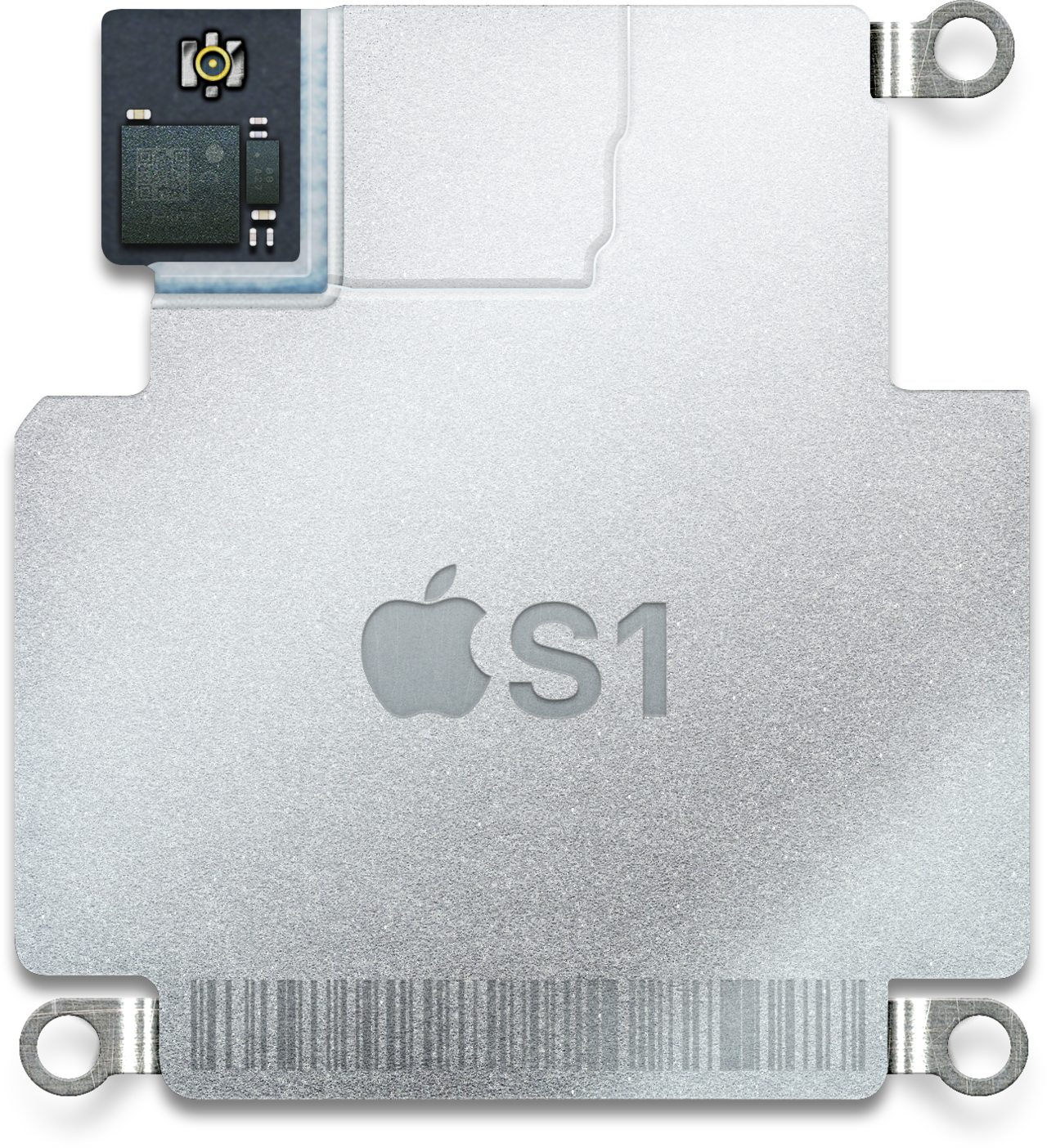
Apple Watch models share a compact rectangular case, a touch‑sensitive display, and a mechanical input called the Digital Crown. Cases have been offered in materials such as aluminum, stainless steel, titanium and specialty editions in varying finishes. Core components include a system‑on‑chip (processor), memory and storage, sensors (optical heart rate sensor, accelerometer, gyroscope and, in many models, an altimeter), wireless radios (Bluetooth and Wi‑Fi, and cellular LTE on some versions) and an NFC controller used for contactless payments. A haptic feedback actuator, called the Taptic Engine, provides subtle taps for notifications. Interchangeable bands and straps support customization and aftermarket accessories.
Software, connectivity and apps
The watch runs watchOS, which supports native and companion apps, watch faces, complications and background services. It receives notifications, makes and receives calls (via a paired iPhone or directly on cellular models), controls media playback and runs third‑party apps from the App Store. The device connects to the internet via a paired iPhone, Wi‑Fi or its own cellular radio, enabling app downloads, streaming and cloud services Internet services and software distribution via the App Store. A walkie‑talkie style voice messaging app was introduced early in the product’s lifecycle and remains a distinctive feature for quick voice exchanges Walkie‑Talkie. Compatibility with iPhone models and iOS versions governs setup and some features; initial pairing required phones such as the iPhone 5 and later iPhones continue to be required for many functions newer iPhones.
Health, fitness and safety features
The Apple Watch has been positioned strongly around health and fitness. It tracks activity through rings that represent movement, exercise and standing, records workouts, counts steps and estimates calories. Later models introduced advanced sensors and safety features including electrocardiogram (ECG) capability, blood oxygen estimation, fall detection and emergency SOS. These features support wellness and early warning notifications for abnormal heart rhythms, but users are advised to consult healthcare professionals for medical diagnoses and treatment decisions.
Battery life, durability and practical use
Apple publishes typical battery expectations that reflect day‑long use for many users; actual battery life depends on usage patterns, enabled sensors and network connections. Many models are water resistant and suitable for swim tracking, while GPS‑enabled units allow outdoor activity tracking without a paired phone. Cellular models let users remain reachable when away from their phone. Common everyday uses include timekeeping, notifications, contactless payments via NFC, turn‑by‑turn directions, music control and quick replies to messages.
Model evolution and milestones
Since the original April 24, 2015 release the product line has been updated regularly. Apple introduced subsequent numbered Series, more affordable SE variants and purpose‑built Ultra editions aimed at athletes and professional users. Over time updates delivered performance improvements, GPS and improved water resistance, dedicated health sensors, larger displays and various case materials. The Apple Watch quickly became the leading consumer wearable in market discussions and public attention to wrist‑worn health monitoring increased as a result.
Developer ecosystem and services
Developers create apps and complications that extend the Watch’s utility. watchOS updates expanded developer APIs, enabling richer on‑device processing, background tasks and tighter integration with iPhone apps. Third‑party services provide on‑watch visualizations, guided workouts, and remote sensing for home and enterprise systems. Official documentation and development tools are available through Apple’s developer channels and App Store resources developer resources.
Privacy, security and controversies
Apple positions health and personal data collected by the Watch under its broader privacy policies and device encryption practices. Health data is designed to be stored and transmitted with user consent, and features such as emergency calling and fall detection raise regulatory and ethical considerations about automated alerts and false positives. The device has also been discussed in the context of battery and repairability debates typical of modern consumer electronics.
Reception, impact and uses
The Apple Watch is widely used for fitness tracking, medication reminders, workplace notifications, contactless payments and as a convenient interface for short interactions that would otherwise require a smartphone. It has shaped public expectations for wearable health monitoring and fostered new services in telehealth, fitness coaching and device‑to‑device integrations. For general context, the Apple Watch is often referenced alongside the broader category of smartwatches smartwatch and within discussions of Apple’s product portfolio Apple Inc..
For technical specifications, purchase options, app listings and official support consult manufacturer resources and authorized retailers: manufacturer, resellers, official stores stores, online outlets online, and platform support pages support services.
Related articles
Author
AlegsaOnline.com Apple Watch: design, features, history and uses Leandro Alegsa
URL: https://en.alegsaonline.com/art/4990
Sources
- apple.com : "Apple Watch – Overview"
- apple.com : "Apple Watch – Technology"
- theverge.com : "The Verge: The 15 most important announcements from the Apple Watch, iPhone 6 event"