
Jennie Wade — the only civilian killed during the Battle of Gettysburg
Mary Virginia “Jennie” Wade (1843–1863) was a Gettysburg resident who became the only known civilian killed directly during the 1863 Battle of Gettysburg; her home is preserved as a museum.
Mary Virginia "Jennie" Wade (May 21, 1843 – July 3, 1863) was a young resident of Gettysburg, Pennsylvania, who is widely remembered as the only civilian known to have been killed directly by combat during the three-day Battle of Gettysburg. Her brief life and death are often cited as a symbol of the danger faced by noncombatants when major battles erupted in populated areas.
Image gallery
3 Images

Background
Jennie Wade was born in 1843 and lived in the town where, in July 1863, opposing armies collided in one of the Civil War's pivotal engagements. At the time of the battle she was helping family and neighbors with everyday tasks, including preparing food. Contemporary accounts say she was performing domestic work in a private home when she was struck by enemy fire.
Circumstances of her death
On July 3, 1863, a stray bullet fatally wounded Wade while she was inside a house that later became famous as the place where she died. Witnesses at the time reported that the shot came from outside and that she died almost immediately. Because she was not a combatant, historians and the public have regarded her death as an especially poignant example of civilian suffering during wartime.
Aftermath and remembrance
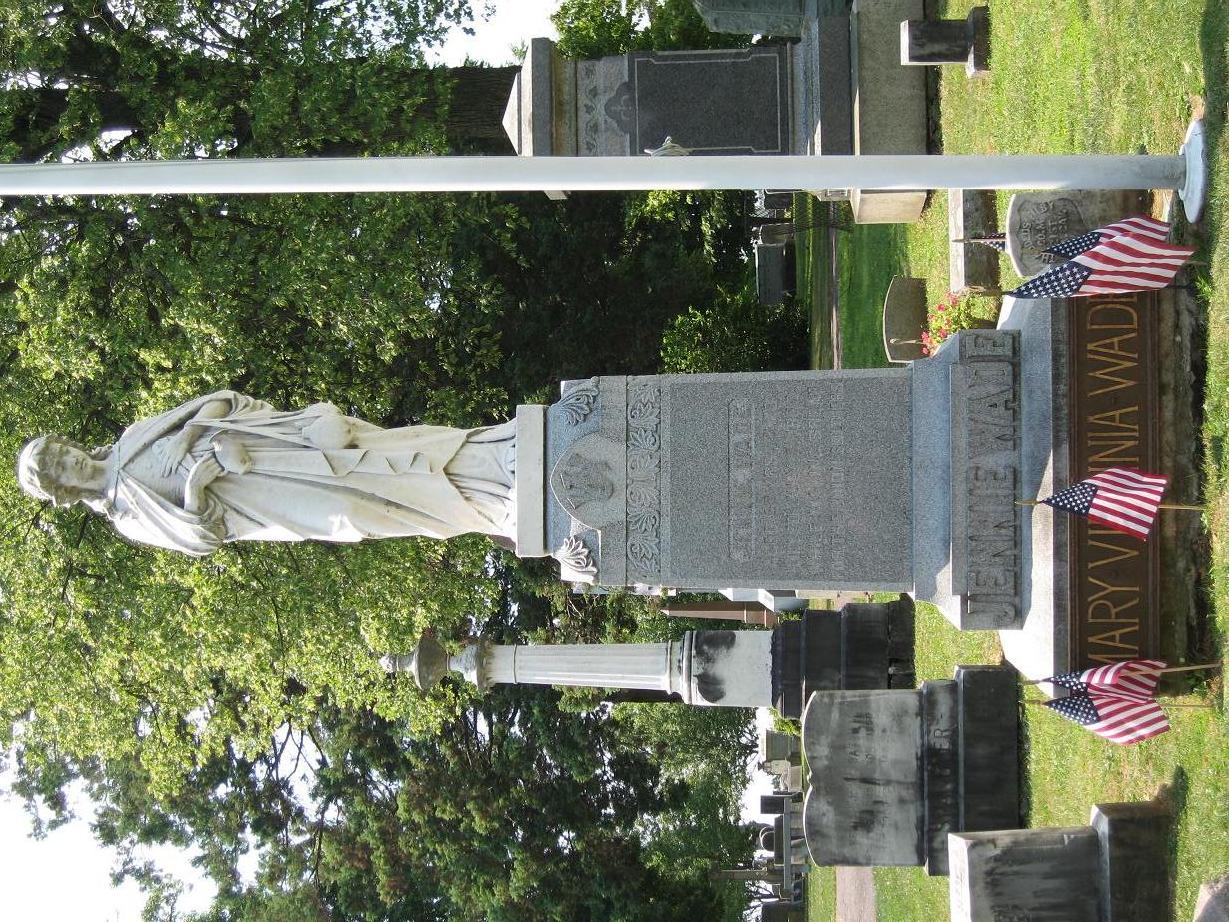
Wade's death drew widespread attention both locally and nationally in the weeks that followed. She was buried in Gettysburg's Evergreen Cemetery and her gravesite has been visited by generations of visitors. The house where she was killed was later preserved and is open to the public as the Jennie Wade House, with exhibits about her life and the town's wartime experience.
Legacy and significance
Jennie Wade's story is frequently cited in discussions about the civilian cost of military operations and the impact of the Civil War on everyday life. While she is commonly described as the only Gettysburg civilian killed directly by combat, historians note that other civilians died in the campaign from related causes such as illness, accidents, or the broader effects of occupation.
Notable facts
- Dates: Born May 21, 1843; died July 3, 1863.
- Recognition: Her home is preserved as a museum and memorial to civilian experience during the battle.
- Commemoration: The story of her death remains part of Gettysburg's public memory and battlefield tours.
For more context about the town where she lived and the larger military engagement that brought war into its streets, see resources on Gettysburg and the Battle of Gettysburg, and information about civilian experiences during the campaign at related local historic sites and collections (civilian accounts). Additional details about the preserved home and visitor information are available through the site for the Jennie Wade House.
Related articles
Author
AlegsaOnline.com Jennie Wade — the only civilian killed during the Battle of Gettysburg Leandro Alegsa
URL: https://en.alegsaonline.com/art/49899