
Jazz piano: roles, techniques, and historical development
Comprehensive overview of jazz piano: its musical roles, characteristic techniques (comping, voicings, stride), stylistic evolution, importance in ensembles, and guidance for learners and listeners.
Overview
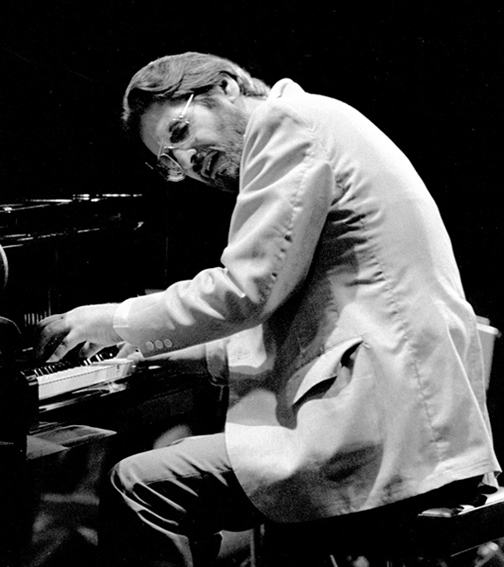
Jazz piano refers to the vocabulary, techniques, and performance practice pianists use when playing jazz music. Because the piano combines a wide range of pitches with the ability to play both melody and harmony, it occupies a central place in jazz ensembles and solo contexts. Pianists can provide tuneful solos, harmonic accompaniment, basslines and rhythmic drive, so the instrument is often a primary tool for arranging, composing, and teaching jazz theory.
Image gallery
4 Images

Characteristics and common techniques
Key elements of jazz piano include improvisation, syncopation, and a flexible approach to harmony. Typical techniques are comping (short for accompanying) with varied rhythmic patterns; block chords and stride left-hand patterns that supply bass and inner voices; rootless and quartal voicings that create modern textures; and walking bass lines when the pianist doubles as the low-end foundation. Use of altered chords, extensions (9ths, 11ths, 13ths), and modal interchange are routine in jazz harmony.
Styles and historical development
Jazz piano has evolved through styles such as ragtime and stride, swing-era accompaniment, bebop's fast and linear improvisation, the modal and post-bop experiments of the mid-20th century, and later fusions incorporating rock, Latin, and electronic keyboards. Each period brought new rhythmic feels, harmonic concepts, and ensemble roles: from solo novelty piano to the pianist as a bandleader or harmonic colorist within larger groups.
Role in ensembles and arranging
Within combos and big bands the pianist can supply comping behind soloists, provide introductions and interludes, or act as a second solo voice. Because the instrument can outline chords while also playing melody, it is vital for handing off harmonic direction and supporting improvisers. In arranging, pianists often suggest reharmonizations, inner-voice movement, and keyboard voicings that shape the group sound.
Learning, repertoire, and listening
Students typically study standards, transcription of solos, chord-scale theory, and voicing drills. Practice focuses on left-hand independence, voice-leading, rhythmic displacement, and ear training. Listening across eras helps: comparing early stride pieces with bebop lines and modern modal textures clarifies how language and accompaniment roles changed over time.
Notable figures and resources
Many influential pianists illustrate the art: early pioneers and innovators, modern improvisers, and fusion-era keyboardists. For broader context consult general jazz introductions and instrument-specific materials: overview sources, historical surveys at instrumental relationships, chord and voicing references at harmony guides, listening guides at recommended recordings, and pedagogy resources at education portals. These starting points help students and listeners explore repertoire, technique, and transcription practice.
Related articles
Author
AlegsaOnline.com Jazz piano: roles, techniques, and historical development Leandro Alegsa
URL: https://en.alegsaonline.com/art/49687