
Je ne sais quoi (Hera Björk song)
Upbeat pop–dance single by Icelandic singer Hera Björk, performed for Iceland at the Eurovision Song Contest 2010. The title is a French phrase meaning "I don't know what."
Overview
"Je ne sais quoi" is a pop–dance song performed by Icelandic singer Hera Björk. It was chosen to represent Iceland at the Eurovision Song Contest 2010 and reached 19th place in the final. The title is a French expression — literally "I don't know what" — and functions in the song as a catchy refrain amid largely English lyrics.
Image gallery
1 Image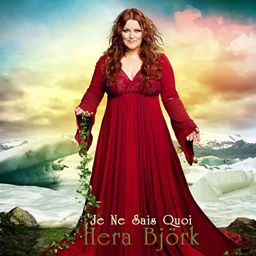
Musical characteristics
The track blends uptempo dance-pop production with bright electronic instrumentation and a driving beat designed for live-stage impact. Vocally it emphasizes strong, sustained notes and anthemic hooks intended to engage a large audience. The mix of an English verse structure with a foreign-language title is typical of Eurovision entries that seek an international flavour while remaining accessible.
Performance and contest history
Performed in the Eurovision Song Contest 2010, the song was staged with an energetic presentation aimed at showcasing the singer's vocal power and the song's party-oriented mood. The contest that year brought broad European exposure; the entry advanced to the final stage and finished in nineteenth place, securing recognition beyond Iceland's domestic audience. For details on the contest itself see Eurovision Song Contest 2010.
Artist background
Hera Björk is an Icelandic vocalist with a career spanning pop performance, musical theatre and jazz-influenced work. Representing Iceland on the international Eurovision stage helped introduce her to a wider pan-European audience and reinforced her profile as a strong live singer. More information on her career can be found via artist-focused resources: Hera Björk.
Reception and legacy
While not a top-charting global hit, "Je ne sais quoi" became known among Eurovision fans for its memorable chorus and showy delivery. It remains part of retrospectives about the 2010 contest and is often cited as an example of entries that combine multilingual elements with mainstream pop production. The French phrase in the title also draws attention to the way short foreign-language hooks are used for stylistic effect in pop music.
Quick facts and notable points
- Title language: French phrase meaning "I don't know what".
- Artist: Hera Björk, an Icelandic singer.
- Event: Performed at the Eurovision Song Contest 2010, finished 19th.
- Country represented: Iceland.
The song remains a recognizable entry from the 2010 contest and illustrates common Eurovision strategies: blending appealing hooks, strong vocal presentation, and a touch of multilingual flair.
Related articles
Author
AlegsaOnline.com Je ne sais quoi (Hera Björk song) Leandro Alegsa
URL: https://en.alegsaonline.com/art/49691