
J. Jayalalithaa
Indian film actress turned politician who led the AIADMK, served five terms as Chief Minister of Tamil Nadu, and became known for populist welfare programmes, centralized leadership, and a contested public legacy.
Overview
Jayaram Jayalalithaa (24 February 1948 – 5 December 2016) was an Indian film actor who became a dominant political leader in the southern state of Tamil Nadu. She led the All India Anna Dravida Munnetra Kazhagam (AIADMK) as its general secretary from 1989 and served five terms as Chief Minister, holding office for more than fourteen years in intervals between 1991 and 2016. Her public persona combined a celebrity background, an assertive administrative style, and a carefully cultivated image among supporters.
Image gallery
10 Images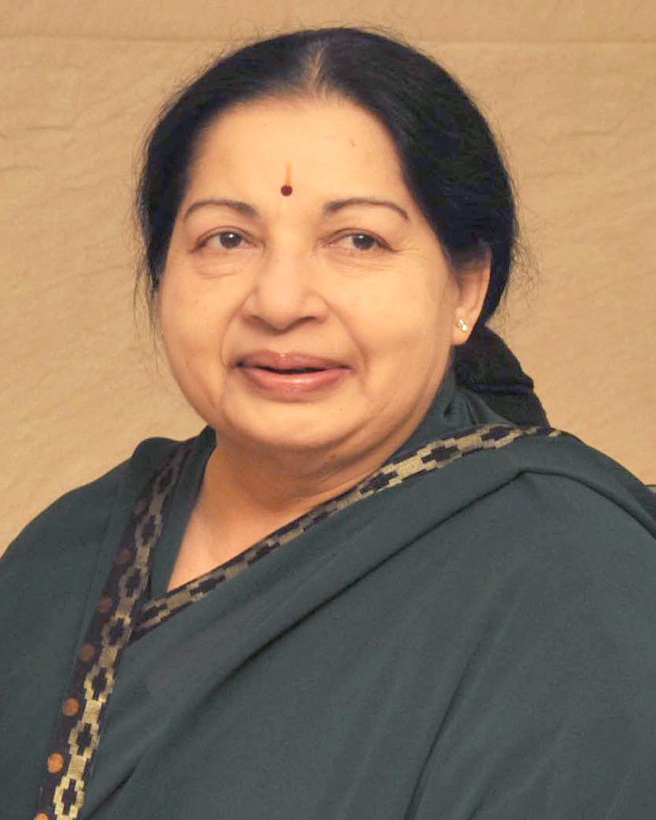


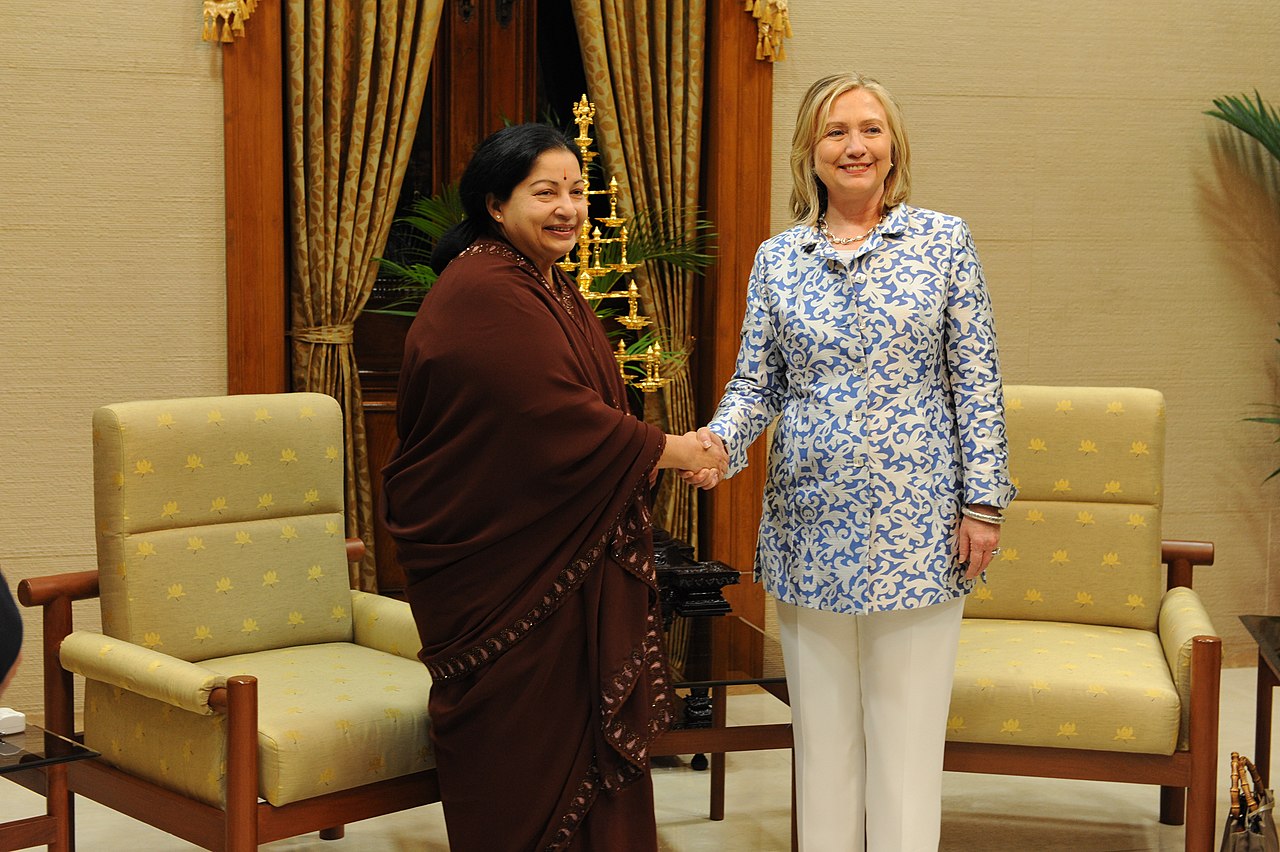


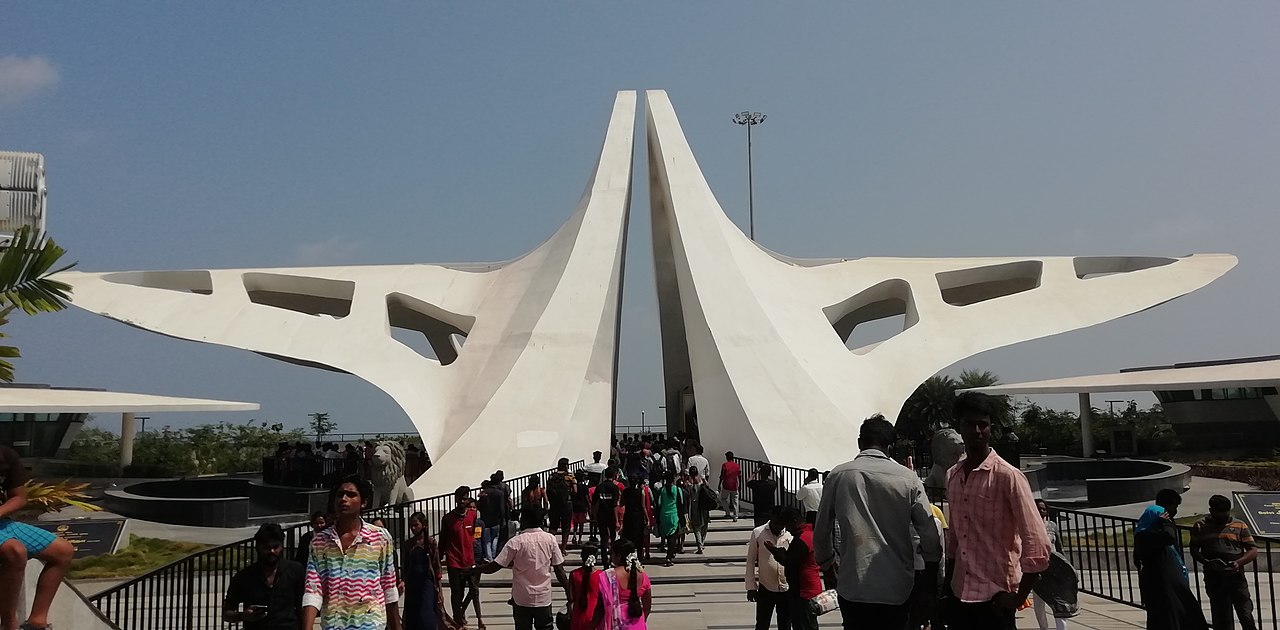

Early life and film career
Jayalalithaa first gained public recognition as a leading actress in Tamil cinema from the 1960s and early 1970s. Her transition from film to politics followed close association with established party leaders and an emerging role in the AIADMK. Her early public life drew on the visibility and networks from the film industry, a common pathway into politics in Tamil Nadu.
Political rise and governance
As party leader and chief minister, Jayalalithaa projected a strong, centralized leadership. Her tenure was marked by a focus on populist welfare schemes, many of which carried the brand name "Amma" and targeted subsidized food, healthcare and utility services. Supporters praised her for visible delivery of benefits and decisive decision-making; critics pointed to an authoritarian style and the concentration of power within the party structure.
Controversies and legal issues
Her career included several legal and corruption-related controversies that were widely reported and debated in public discourse. These matters contributed to a polarized assessment of her record, with legal processes and political implications attracting sustained attention.
Legacy and significance
Jayalalithaa left a lasting imprint on Tamil Nadu politics: a strong personal following, institutional influence for the AIADMK, and an expanded set of welfare programmes that are often cited as part of her political legacy. She remains a figure who is admired by many for social initiatives and criticized by others for governance style and controversies, making her a complex and influential leader in contemporary Indian political history.
- Roles: Film actress, AIADMK general secretary, five-time Chief Minister
- Notable traits: Populist welfare policies, centralized party control, large personal following
- Public memory: Contested—admiration for social schemes alongside debate over legal and ethical questions
Questions and answers
Q: When was Jayaram Jayalalithaa born?
A: Jayaram Jayalalithaa was born on February 24, 1948.
Q: How many terms did she serve as Chief Minister of Tamil Nadu?
A: She served five terms as the Chief Minister of Tamil Nadu.
Q: What position did she hold in the All India Anna Dravida Munnetra Kazhagam party?
A: From 1989 onwards, she held the position of general secretary in the All India Anna Dravida Munnetra Kazhagam party.
Q: What nicknames were given to her by her party members?
A: Her party members referred to her as "Amma", "Thanga Tharagai" and "Puratchi Thalaivi".
Q: How long did she serve as Chief Minister of Tamil Nadu for?
A: She served as Chief Minister of Tamil Nadu for over fourteen years between 1991 and 2016.
Q: What does Amma mean?
A: Amma is a term meaning mother.
Related articles
Author
AlegsaOnline.com J. Jayalalithaa Leandro Alegsa
URL: https://en.alegsaonline.com/art/49674