
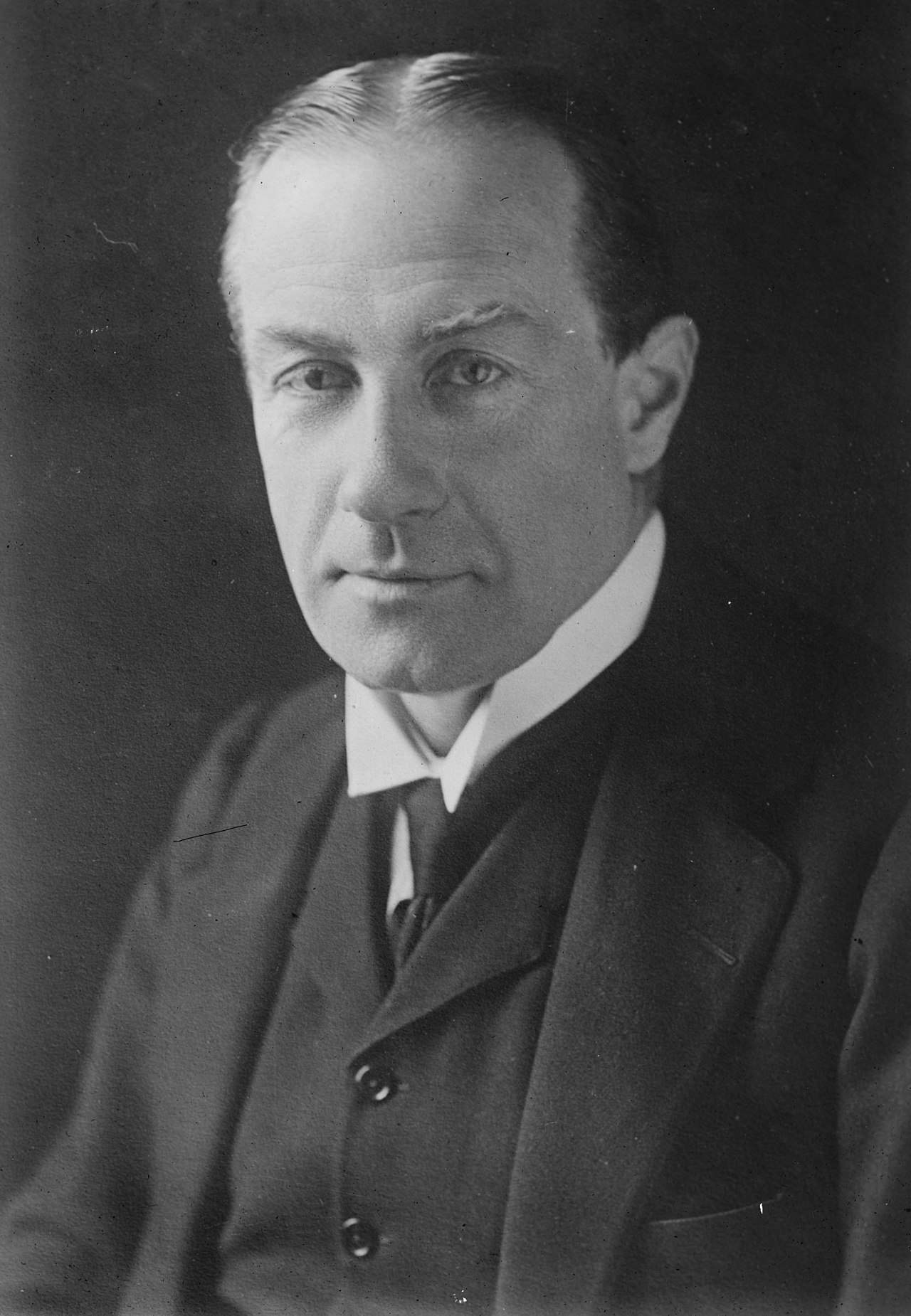
Stanley Baldwin, three-time British prime minister and Conservative leader
Overview of Stanley Baldwin (1867–1947): his career as Conservative leader and three-time prime minister, domestic policies, role in the 1926 General Strike, 1930s foreign policy and the 1936 abdication crisis.
Stanley Baldwin (3 August 1867 – 14 December 1947) was a central figure in British politics between the two world wars. A leading Conservative, he served three separate terms as Prime Minister and led his party through major industrial, economic and constitutional challenges. He combined a cautious managerial style with an emphasis on national unity, the authority of institutions and gradual reform. Biography and honours
Political career and offices. Baldwin first became prime minister in the 1920s and returned to the office twice more in the interwar decades. He was Conservative leader for much of that period and guided government policy on industry, labour relations and public finance. His tenure saw periodic crises that tested the capacity of parliamentary government to respond to social and economic change. Political record
Domestic policy and industrial relations. Baldwin’s governments confronted the aftermath of the First World War, including industrial unrest and high unemployment in certain regions. The 1926 General Strike, one of the most significant industrial confrontations of the era, took place while his party was in a central political position; the wider response to the strike shaped subsequent legislation and public debate about trade unions, labour rights and social order. His administrations tended to favour moderation and institutional solutions rather than radical restructuring, and they pursued measures intended to stabilise employment and public finances during the Great Depression. Domestic policy
Economic challenges. The interwar years brought fluctuating international markets and sustained unemployment. Baldwin’s ministers relied on a mix of public policy, fiscal caution and appeals to private enterprise to manage the economy. Critics argued that policy responses were sometimes too slow or insufficiently bold to tackle structural problems, while supporters maintained that political consensus and stability were priorities in difficult times. Economic context
Foreign policy and rearmament. Baldwin’s time in office coincided with the rise of aggressive governments in Europe. He and many contemporaries sought to avoid another catastrophic war and therefore supported measured diplomacy and delay in confronting some foreign threats. This stance has been discussed by historians as part of the broader policy of appeasement and caution about rapid rearmament. Debates about the timing and scale of British rearmament are a major theme in assessments of his premiership. Foreign affairs Rearmament debates
The 1936 abdication crisis. Baldwin was prime minister when King Edward VIII announced his intention to marry Wallis Simpson, creating a constitutional and political crisis. The government played a central role in advising the sovereign and managing the constitutional issues that culminated in the king's abdication. The episode underscored the interaction of the monarchy, ministers and public opinion in a modern constitutional monarchy. Abdication and constitution
Image gallery
10 Images





Assessment and legacy
Baldwin’s reputation is mixed. He is widely credited with preserving institutional continuity and steering the country through turbulent domestic and constitutional moments. At the same time, many historians and commentators have criticised his caution in foreign affairs and the perceived delay in modernising Britain’s defences. Later scholarship has offered more nuanced views, emphasising the constraints faced by elected politicians in an era of public reluctance for another war, economic limits and the complexities of party politics. Historical assessments
After politics. Baldwin accepted a peerage in the later 1930s and remained a respected elder statesman until his death in 1947. His career illustrates the tensions of interwar governance: balancing domestic moderation, social order and the difficult choices of foreign policy in a changing Europe. For readers seeking further detail, contemporary biographies and scholarly studies explore his decisions, the wider Conservative movement and the interwar domestic and international context. Further reading
Author
AlegsaOnline.com Stanley Baldwin, three-time British prime minister and Conservative leader Leandro Alegsa
URL: https://en.alegsaonline.com/art/131122