
Neville Chamberlain
British Conservative politician (1869–1940), Lord Mayor of Birmingham, Chancellor of the Exchequer and Prime Minister (1937–1940), widely associated with the 1938 Munich Agreement and the policy of appeasement.
Arthur Neville Chamberlain (18 March 1869 – 9 November 1940) was a British Conservative statesman who served as Prime Minister of the United Kingdom from 1937 to 1940. He had an earlier career in local government and national politics and is best remembered for his foreign-policy stance in the late 1930s, particularly the Munich Agreement of 1938 and the policy commonly called "appeasement."
Image gallery
10 Images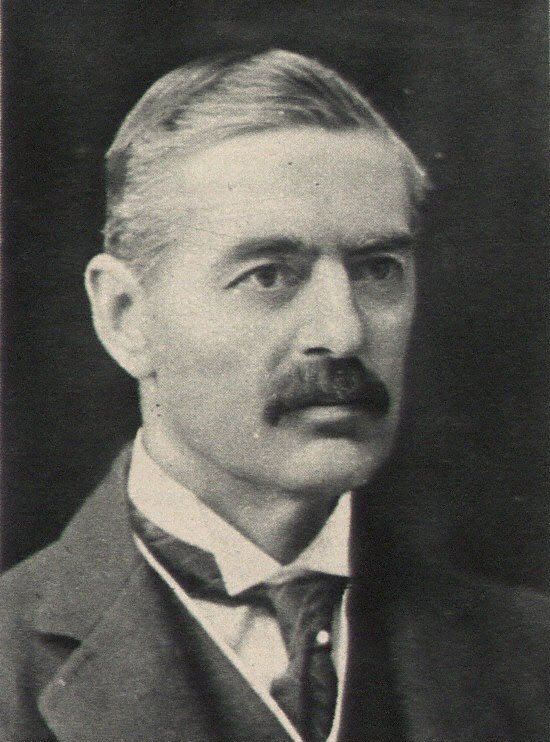


Early life and municipal career
Born into a politically prominent family, Chamberlain developed an early interest in civic affairs. He rose to prominence in local government in the city of Birmingham, where he promoted housing improvements and municipal reform. His municipal record established his reputation for administrative competence and practical, technocratic solutions.
National offices
Chamberlain moved into national government and held a number of senior roles. Key positions he occupied include:
- Politician and public official
- Conservative Party leader and cabinet minister
- Lord Mayor of Birmingham
- Chancellor of the Exchequer
- Prime Minister of the United Kingdom (1937–1940)
Premiership and foreign policy
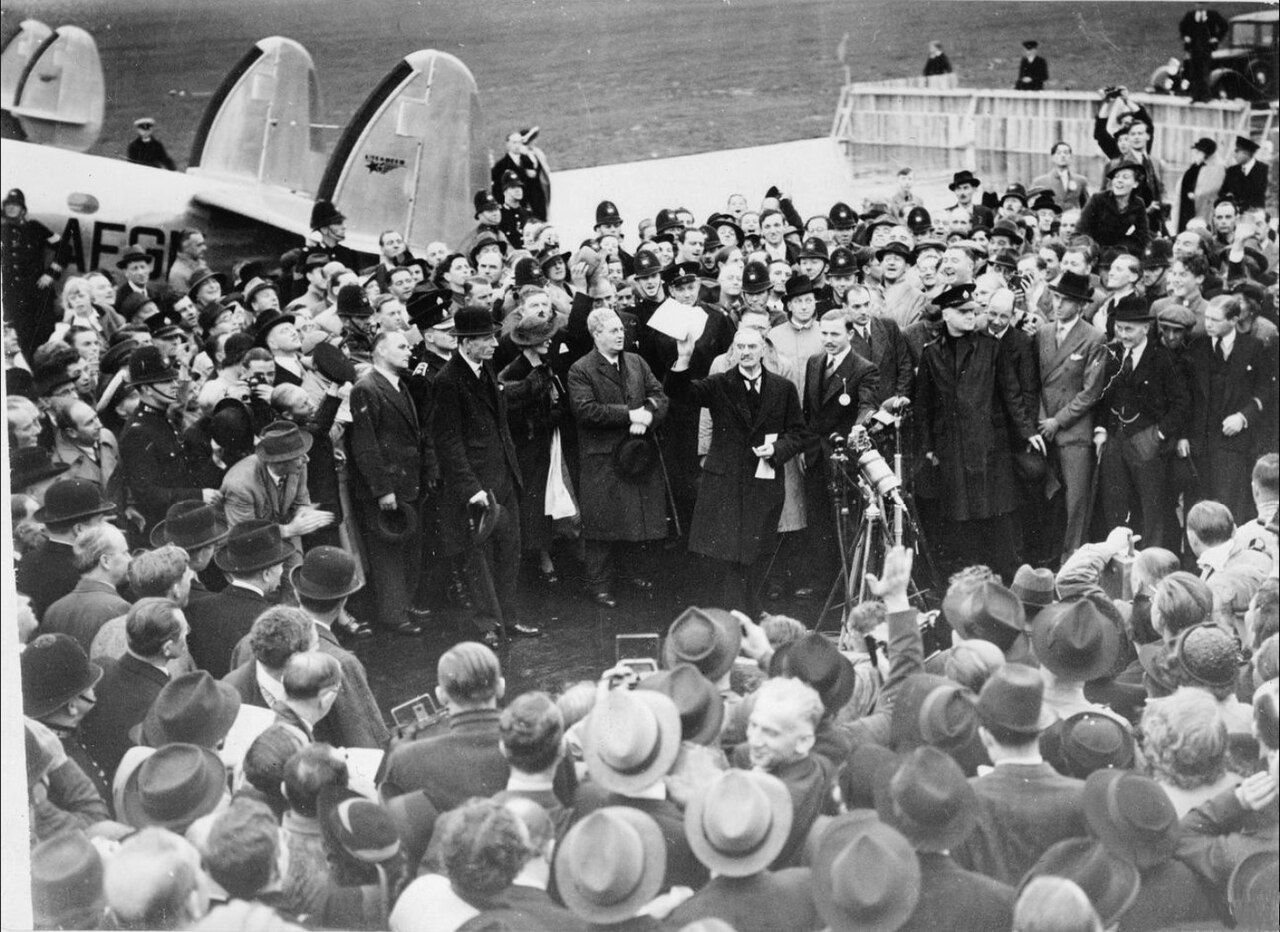
As prime minister Chamberlain confronted a Europe in crisis. He sought to avoid another large-scale war and negotiated with Adolf Hitler's Germany in 1938. The resulting Munich Agreement, which permitted German annexation of parts of Czechoslovakia, was presented by Chamberlain at the time as a way to secure "peace for our time." The deal and the broader policy of conciliating aggressive powers were praised by some contemporaries but later criticized for underestimating Nazi ambitions. At the same time Chamberlain oversaw measures to strengthen Britain's defences as tensions escalated toward war.
Resignation, death and legacy
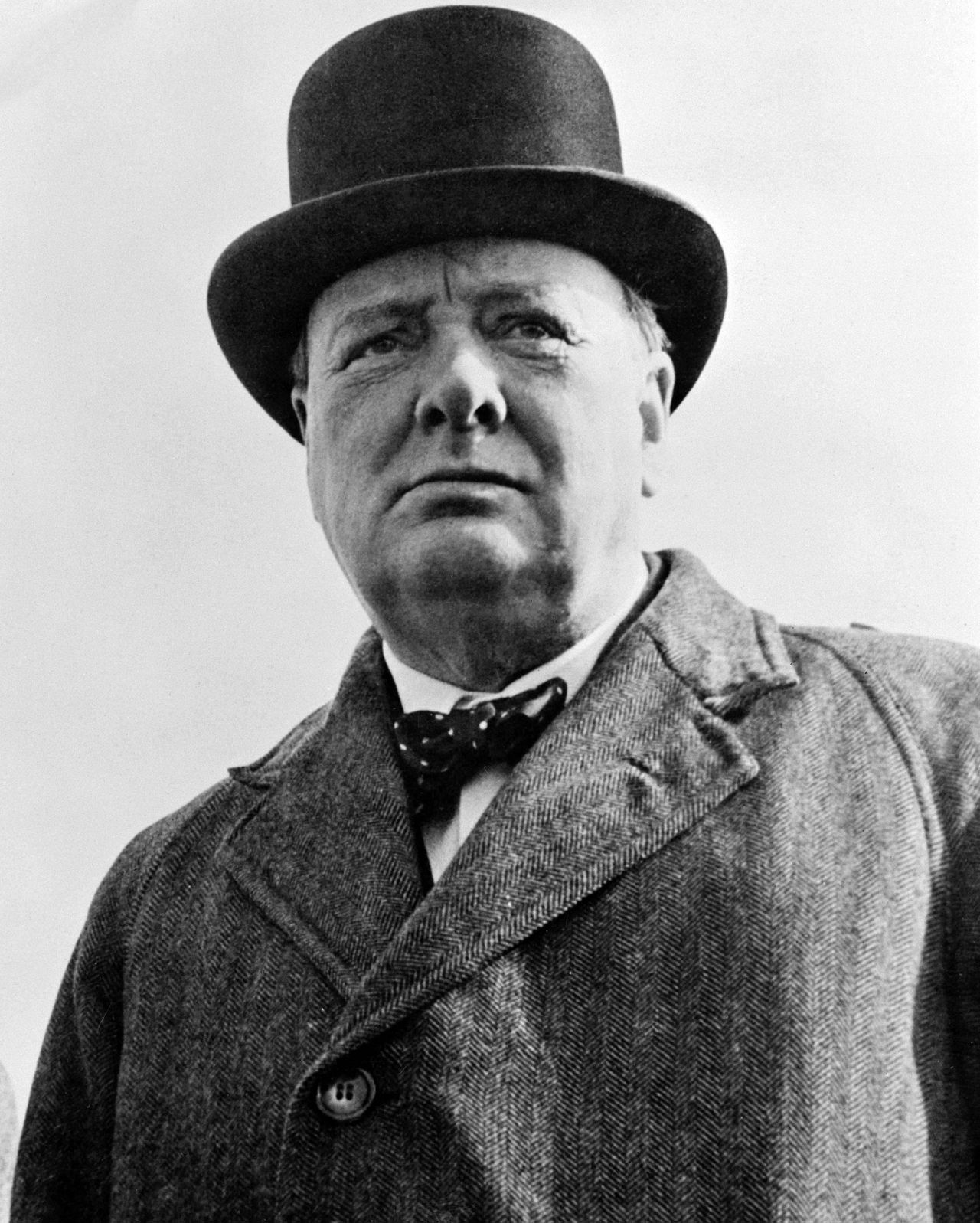
When the Second World War broadened in 1939–1940, political pressures and concerns about his health led to Chamberlain's resignation in May 1940. He was succeeded by Winston Churchill. Chamberlain died later that year. Historians continue to debate his record: he is acknowledged for administrative skill and domestic reforms, while his foreign policy remains a central and contested part of his public memory.
For a concise summary of offices and life events, see related entries and primary sources via these references: overview, political career, municipal work, Birmingham context, economic roles, prime ministerial years.
Questions and answers
Q: Who was Arthur Neville Chamberlain?
A: Arthur Neville Chamberlain was a British politician who served as Lord Mayor of Birmingham, Chancellor of the Exchequer, and Prime Minister of the UK from 1937 to 1940.
Q: When was Arthur Neville Chamberlain born and when did he die?
A: Arthur Neville Chamberlain was born on March 18, 1869, and died on November 9, 1940.
Q: What is FRS?
A: FRS is an abbreviation for “Fellow of the Royal Society,” which is a prestigious scientific organization in the UK.
Q: What positions did Arthur Neville Chamberlain hold before becoming prime minister of the UK?
A: Before becoming prime minister, Arthur Neville Chamberlain held the position of Lord Mayor of Birmingham and Chancellor of the Exchequer.
Q: When did Arthur Neville Chamberlain become prime minister of the UK?
A: Arthur Neville Chamberlain became prime minister of the UK in 1937.
Q: How long was Arthur Neville Chamberlain the prime minister of the UK?
A: Arthur Neville Chamberlain was the prime minister of the UK from 1937 to 1940.
Q: What was the time period during which Arthur Neville Chamberlain served as prime minister of the UK?
A: Arthur Neville Chamberlain served as prime minister of the UK from 1937 to 1940, which was during the lead up to and the beginning of World War II.
Author
AlegsaOnline.com Neville Chamberlain Leandro Alegsa
URL: https://en.alegsaonline.com/art/127532