
Japanese sword-making: history, methods, schools and cultural significance
Overview of Japanese sword-making (materials, forging, tempering, schools and masters), its historical development, key characteristics, uses, and modern cultural status.
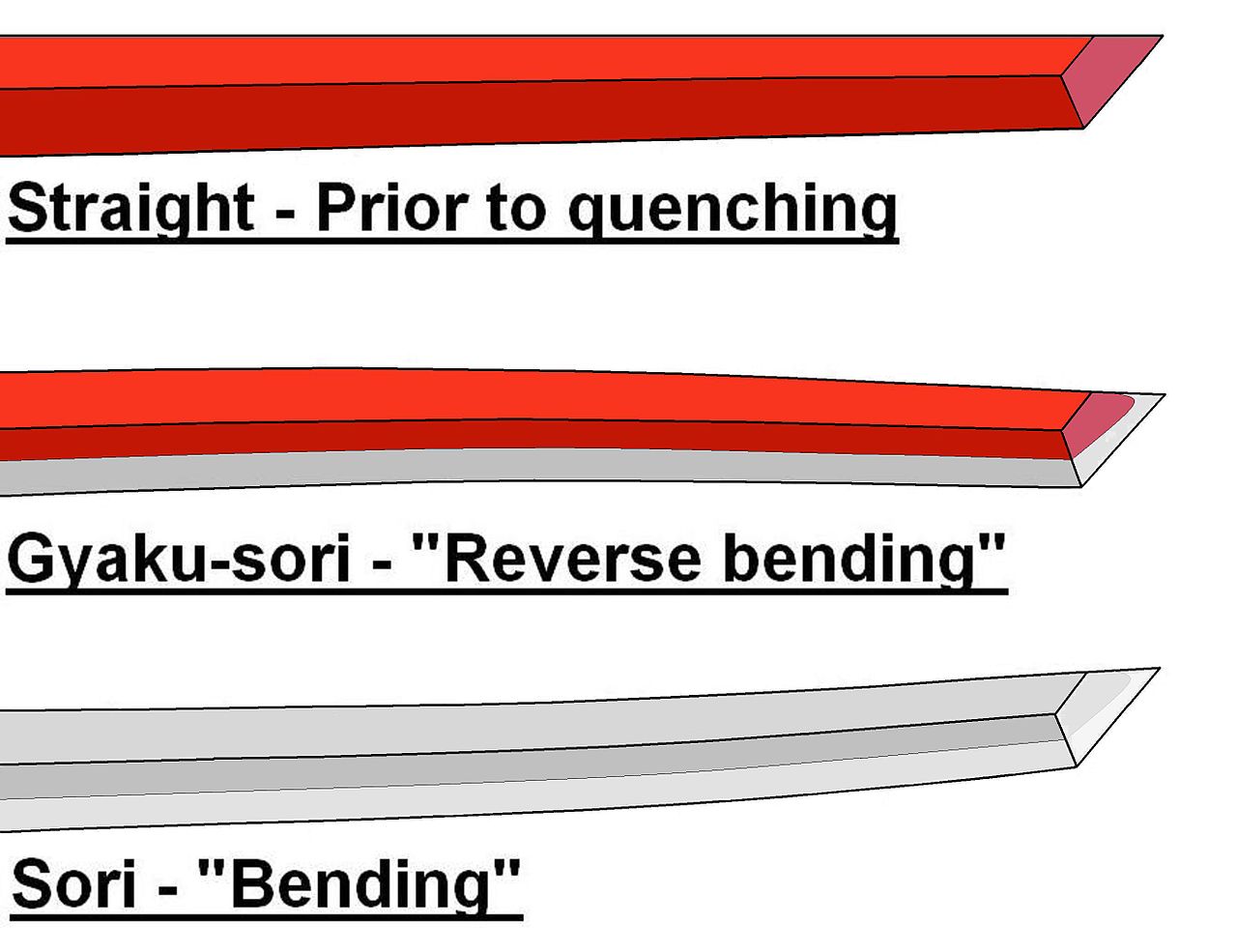
Japanese sword-making refers to the traditional craft of forging edged weapons such as the tachi, katana, wakizashi and tanto. Revered for both utility and artistry, these blades combine metallurgical technique with aesthetic finish. The distinctive curvature, visible temper line and patterned grain set authentic Japanese blades apart from many other sword traditions.
Image gallery
10 Images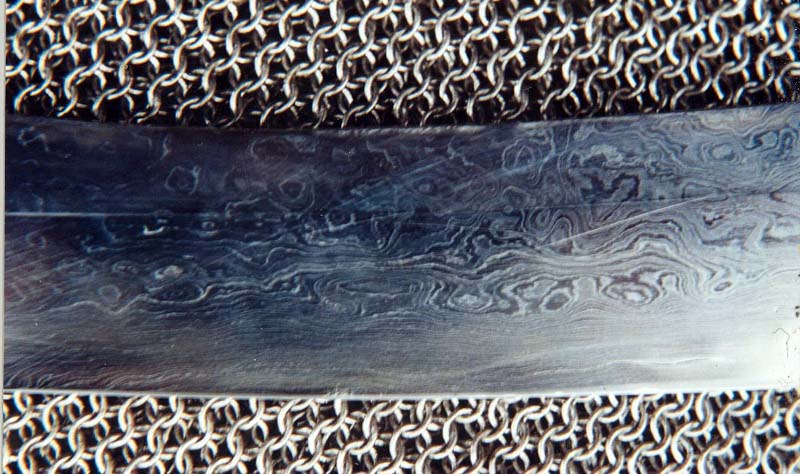




Characteristics and construction
Traditional blades are made from tamahagane, a high-carbon steel produced in a low-oxygen furnace called a tatara. Swordsmiths repeatedly fold and forge-weld the steel to distribute carbon and remove impurities, then shape the blade by hammering and filing. Differential hardening is applied by coating the spine with clay and quenching the edge; this process produces the hamon (temper line) and a hard cutting edge with a tougher spine. Polishing reveals the hada (grain) and refines geometry for cutting performance and visual detail.
Typical parts
- Ha: cutting edge
- Mune: back or spine
- Shinogi: ridge line
- Kissaki: tip
- Mountings (koshirae): tsuba (guard), tsuka (handle), saya (scabbard)
History and development
Blades in Japan evolved from earlier straight swords to curved cutting blades as mounted warfare and close combat demanded more effective cutting weapons. Many consider the medieval era the high point of craftsmanship, when innovations in steelmaking and tempering were refined. Later peace periods shifted emphasis toward ceremonial and artistic qualities. Modern regulation and cultural preservation after major societal changes curtailed military use but encouraged conservation of the craft.
Schools, regional traditions, and masters
Japanese sword-making traditions are often classified both by province and by the lineages of individual smiths. Provincial or regional schools developed characteristic styles—examples include Bizen, Soshu and Yamato—and stylistic differences can be seen in curvature, grain and hamon. Equally important are the traditions established by famous smiths and their disciples; study of lineages helps identify period, region and author. For more on regional distinctions see provincial schools, and for how individual lineages are traced consult resources on masters.
Uses, importance and modern status
Historically functional weapons, Japanese swords are also art objects, religious offerings and symbols of social status. Today they are collected, studied, and produced by contemporary smiths who preserve traditional methods. Cultural protections recognize important blades as historical artifacts, and master smiths receive honors for maintaining the craft. While military use has ceased, the techniques remain a living heritage blending metallurgy, ritual and aesthetics.
Related articles
Author
AlegsaOnline.com Japanese sword-making: history, methods, schools and cultural significance Leandro Alegsa
URL: https://en.alegsaonline.com/art/49545