
Jazz dance: origins, characteristics, and cultural impact
Jazz dance is a performance and social dance tradition rooted in African American culture, evolving from early 20th‑century social steps to theatrical, film, and contemporary styles taught worldwide.
Jazz dance is a broad dance form and theatrical genre that is widely recognised for its rhythmic vitality and expressive individuality. Emerging in the United States, it developed alongside African‑derived musical forms and reflects a blend of improvisation, syncopation and body isolations. Although easy to spot on stage or screen, jazz resists a single definition because it changes with music, place and generation.
Image gallery
5 Images


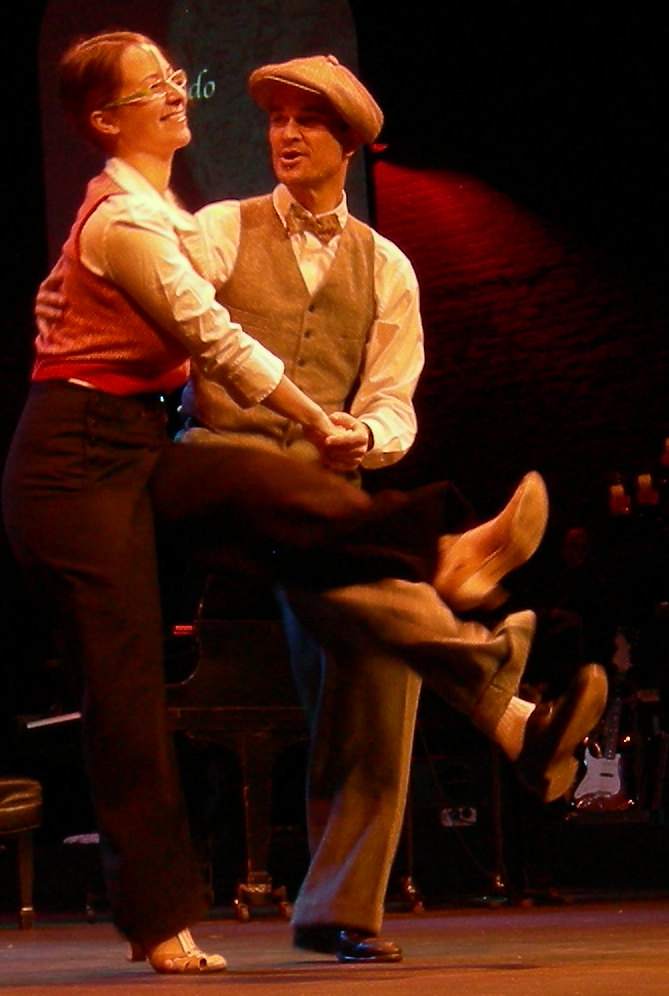
Characteristics
Technically, jazz dance emphasises rhythm, accent and a close relationship with the accompanying music. Common features include isolations (moving one part of the body independently), syncopated footwork, turned‑out or parallel hip placement depending on style, and a mobility of torso and shoulders. Performance quality often balances controlled technique with a sense of looseness or swing; improvisation and individual style are prized alongside choreographed sequences.
History and development
Jazz dance has deep roots in African and African American vernacular movement. Communities of African Americans adapted West and Central African rhythmic concepts to new social settings in North America, creating social dances that responded to early jazz music. Those social forms moved into popular entertainment circuits—vaudeville, cabaret and Broadway—and then into film and television, where theatrical techniques shaped a stage vocabulary. By the mid‑20th century jazz elements also entered concert and neoclassical work, as when choreographers and composers blended theatrical movement with concert dance; ballet choreographers incorporated jazzy gestures into modern ballet pieces.
Notable contributors and institutions
Several teachers and choreographers helped formalise theatrical jazz technique and spread it through training programs. Figures such as Katherine Dunham and Jack Cole are often credited with creating codified methods that drew from ethnic, social and theatrical sources. Other artists, including Bob Fosse, developed highly individual vocabularies that influenced generations of performers. Today many syllabi and professional pathways include jazz training; organisations such as the ISTD and the IDTA list jazz within their theatre or modern theatre branches, reflecting its place in stage education.
Styles, forms and contexts
- Traditional/theatrical jazz: choreography for Broadway, musical theatre and film.
- Street and commercial jazz: crossover styles that borrow from hip‑hop and pop culture.
- Jazz‑funk and lyrical jazz: emphasise contemporary lines or emotional phrasing over strict swing rhythms.
- Swing‑era vernacular dances: social forms such as the Charleston and Lindy‑style partner dances that grew with early jazz bands.
Uses and legacy
Jazz dance remains central to musical theatre, commercial choreography, concert works and recreational classes. It is taught as part of professional stage training and appears in film, television, music videos and dance competitions. Beyond performance, jazz has influenced other concert and popular forms by contributing rhythmic phrasing, isolations and a vocabulary of theatrical gestures. Its enduring appeal lies in a capacity to combine structured technique with personal expression, making it both a historical tradition and a continuing, adaptable practice.
For further reading and resources consult dedicated histories of American social dance and institutional syllabi that trace jazz’s evolution from social movement into a global stage discipline. Stage practice and pedagogy continue to document regional and stylistic variations in classrooms and professional settings.
Questions and answers
Q: What is jazz dance?
A: Jazz dance is a dance genre that originated in social dancing to the music of jazz, but it developed into a type of stage dancing.
Q: Who developed jazz dance?
A: Jazz dance was developed by African Americans in the first part of the twentieth century.
Q: What is the ISTD's classification for jazz dance?
A: The ISTD lists jazz dance under 'Modern Theatre'.
Q: What is the IDTA's classification for jazz dance?
A: The IDTA lists jazz dance in their 'Theatre Branch'.
Q: Who teaches jazz dance?
A: Jazz dance is taught to students of stage dancing, and professional stage dancers are certain to have some kind of jazz dance training.
Q: How has modern ballet been influenced by jazz dance?
A: Modern ballet has been influenced by jazz dance, as seen in Balanchine's ballet Slaughter on Tenth Avenue which was the climax of the Broadway musical On Your Toes (1936).
Q: Who were some famous jazz dancers and choreographers?
A: Kathleen Dunham and Bob Fosse were famous jazz dancers and choreographers.
Related articles
Author
AlegsaOnline.com Jazz dance: origins, characteristics, and cultural impact Leandro Alegsa
URL: https://en.alegsaonline.com/art/49685
Sources
- thefreelibrary.com : Barnes, Clive. August 2000. Who's jazzy now?. Dance Magazine: #90