
Japanese Calligraphy (Shodō): Art, Tools, History and Practice
An accessible overview of shodō — its materials, styles (kaisho, gyōsho, sōsho), historical development, cultural roles, and contemporary practice in Japan.
Overview
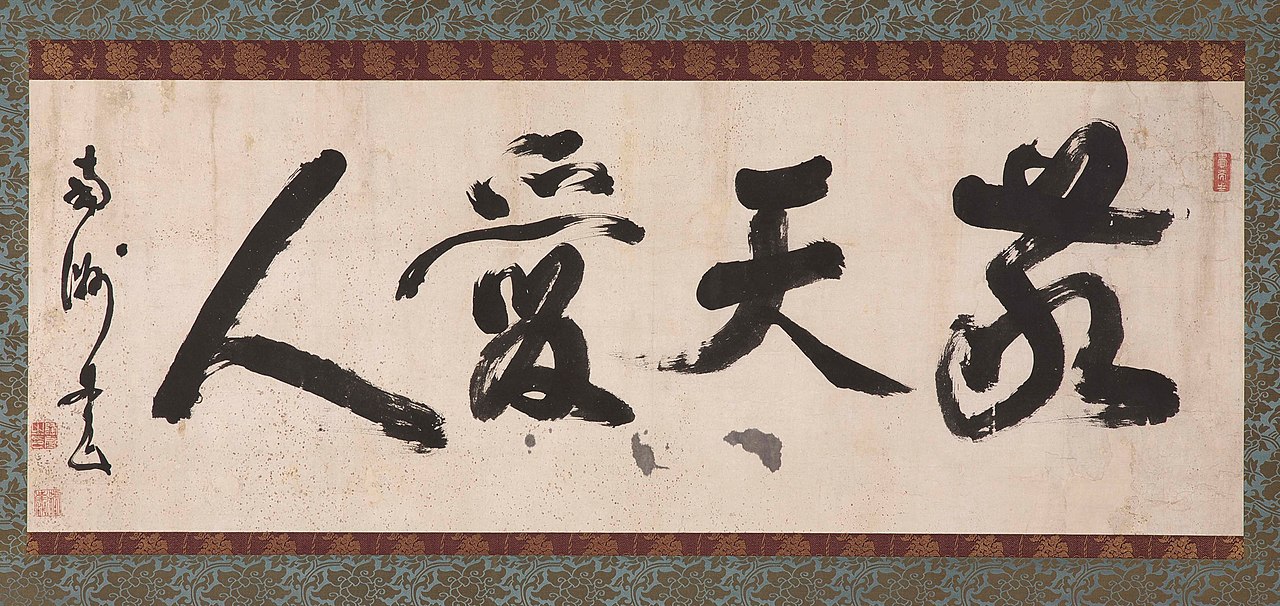
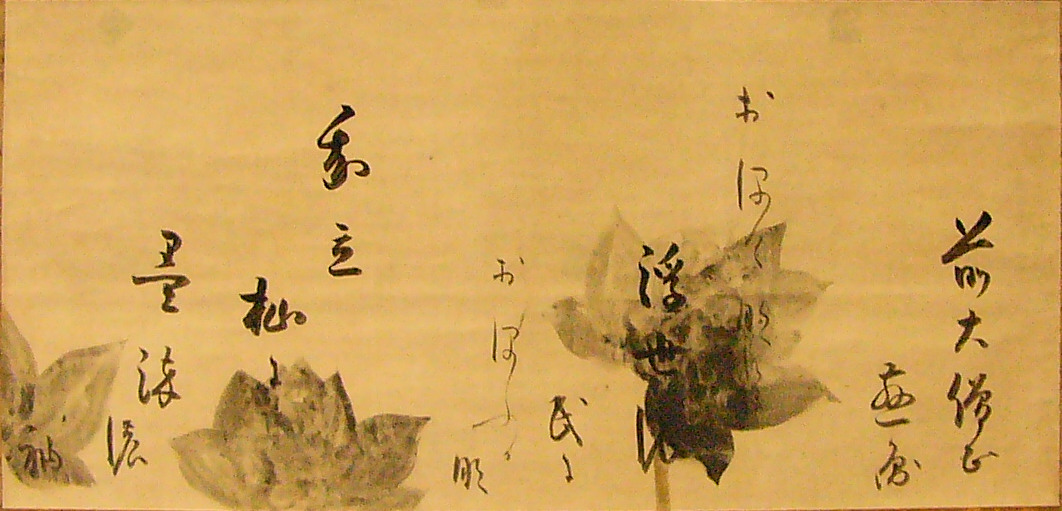
Japanese calligraphy, known as shodō (書道, "the way of writing"), is a traditional art that treats writing as both aesthetic expression and disciplined practice. It emphasizes the balance of form, rhythm, and empty space, and combines technical skill with a sensitivity to gesture and composition.
Image gallery
10 Images


Tools and basic elements
The practice relies on a small set of core tools that shape the appearance and character of each work. Mastery of these implements is considered essential to the craft.
- Fude (brush) — varies in size and firmness for different scripts and effects.
- Sumi (ink) — traditionally prepared from an ink stick, mixed on an inkstone to achieve desired tone.
- Suzuri (inkstone) — used to grind and mix ink.
- Washi (paper) or silk — surface and texture influence brush behavior.
- Hanko or seal — often stamped as a finishing touch.
Styles and characteristics
Shodō includes several principal script styles ranging from deliberate to highly fluid. Common categories are:
- Kaisho — clear, block-like characters used for learning and formal texts.
- Gyōsho — semi-cursive, balancing readability and movement.
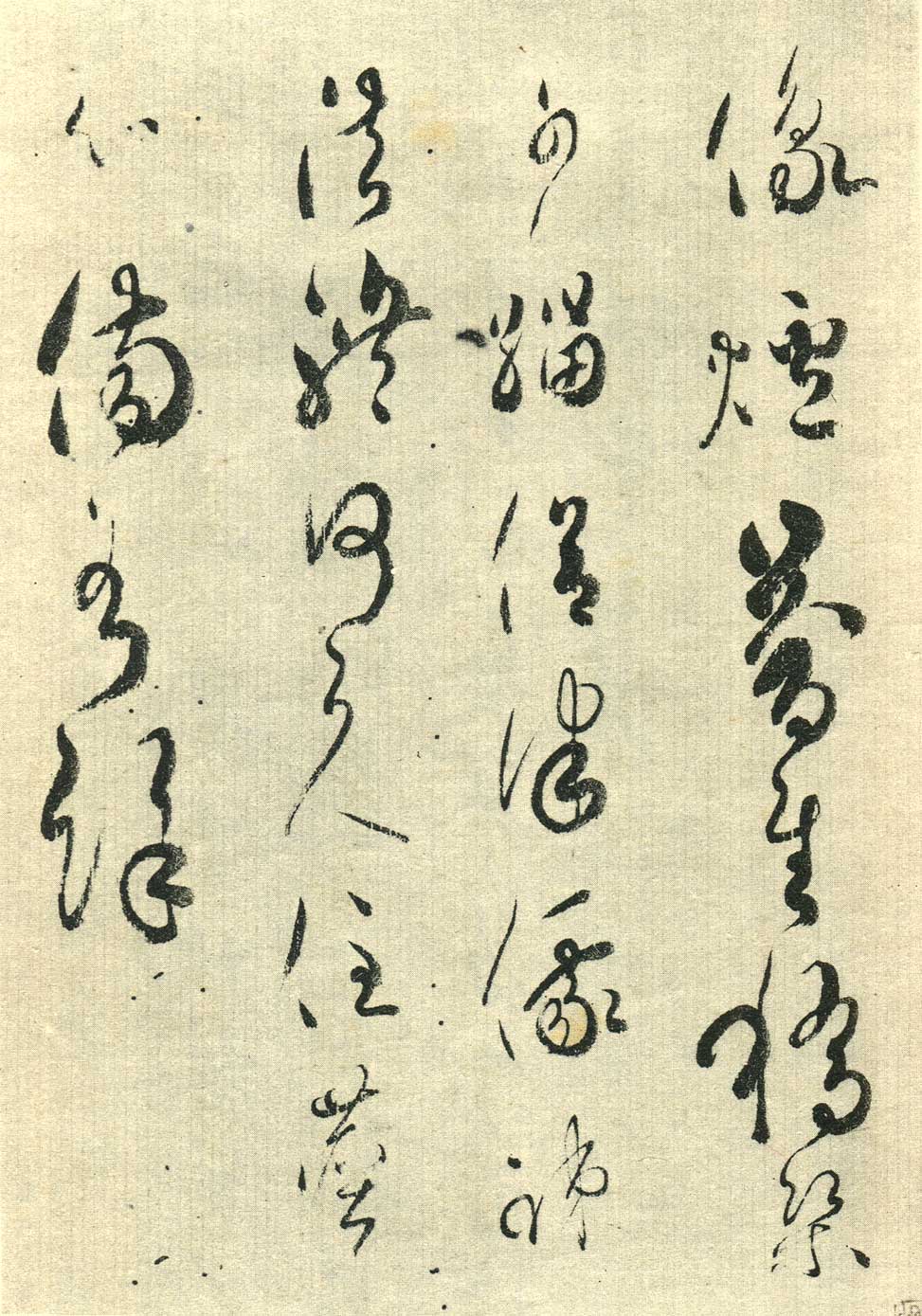
- Sōsho — cursive, where characters may be abstracted into expressive brushstrokes.
History and development
Calligraphy arrived in Japan with Chinese characters and religious texts; over centuries it adapted to local languages and aesthetics. From courtly refinement in the Heian period to Zen-influenced spontaneity, the practice evolved alongside literary and religious traditions. Japanese artists developed unique forms, particularly for kana syllabaries, creating works that integrate poetry and image.
Practice, uses, and cultural importance
Shodō is taught in schools and practiced by hobbyists and professionals. It appears in religious ceremonies, tea gatherings, poetry presentation, and modern design. Beyond communication, calligraphy is valued as a means of personal discipline, meditative focus, and artistic exploration.
Notable distinctions and contemporary presence
While sharing roots with Chinese calligraphy, shodō places particular emphasis on Japanese scripts and cultural contexts. Contemporary artists continue to reinterpret traditional techniques, blending calligraphy with painting, installation, and digital media, ensuring the art remains a living and evolving form.
Related articles
Author
AlegsaOnline.com Japanese Calligraphy (Shodō): Art, Tools, History and Practice Leandro Alegsa
URL: https://en.alegsaonline.com/art/49517
Sources
- japan-guide.com : "Japanese calligraphy"
- books.google.com : "Calligraphy"