
Agricultural fencing: purpose, types, design, and management
Overview of agricultural fencing: common designs and materials, functions for livestock and crop protection, installation and maintenance, environmental and legal considerations, and practical examples.
Agricultural fencing is a set of structures and barriers used on farms to manage animals, protect crops, mark boundaries and support land management strategies. While a simple fence may only keep livestock from leaving a field, well planned fencing contributes to animal welfare, biosecurity and efficient grazing. Farmers choose different fence styles and materials to match species, terrain, budget and regulatory needs.
Image gallery
10 Images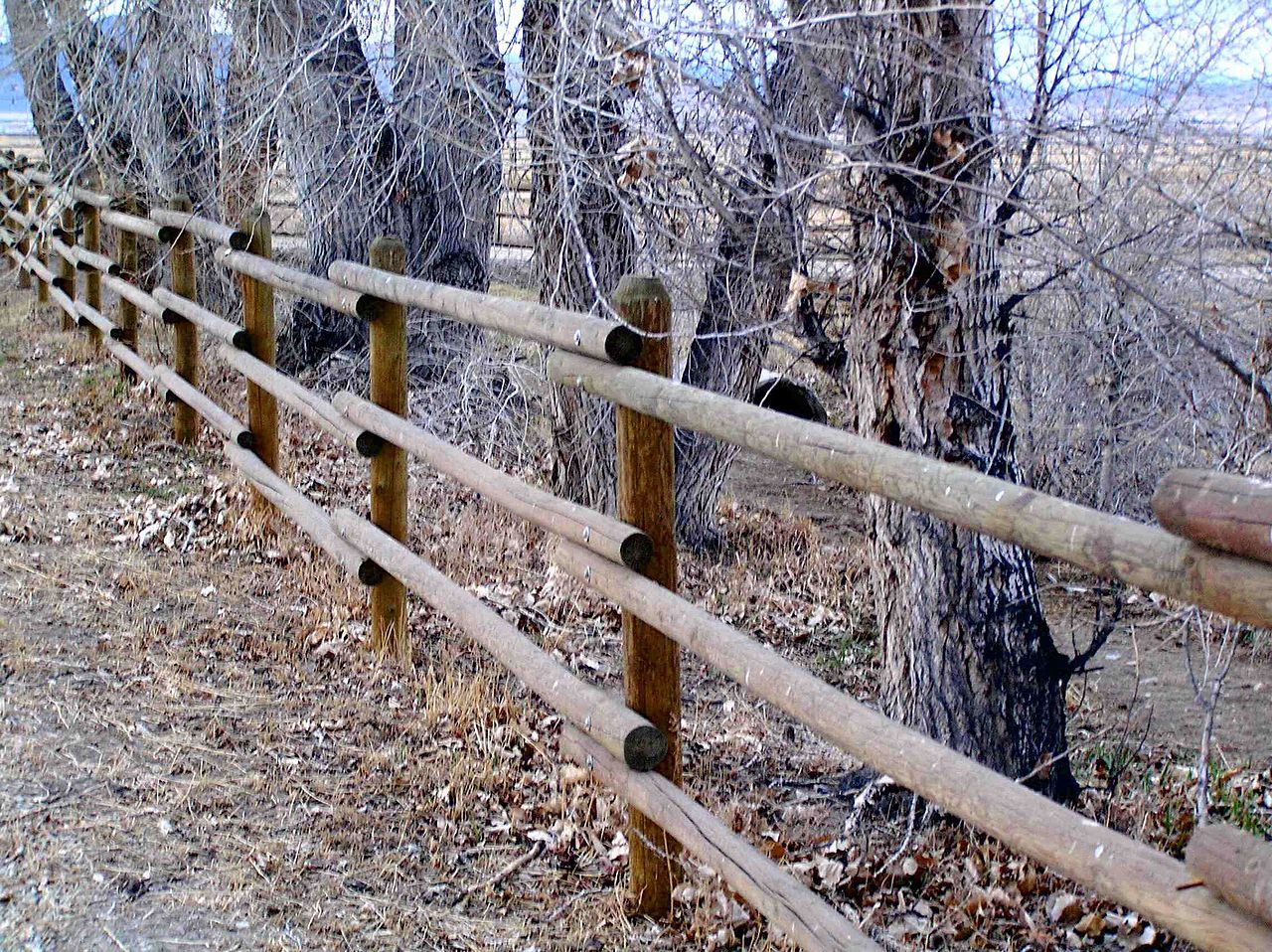



Common types and materials
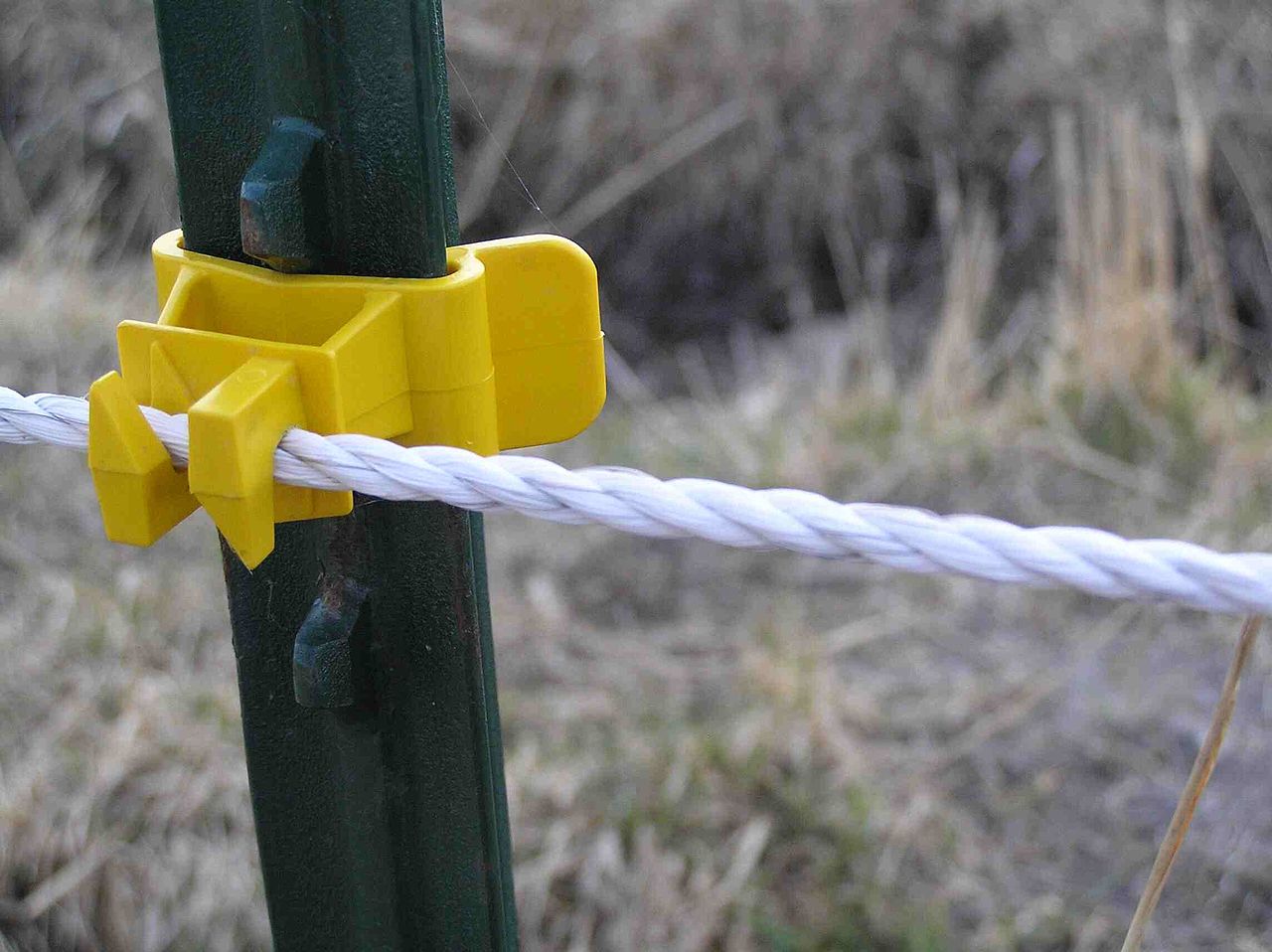
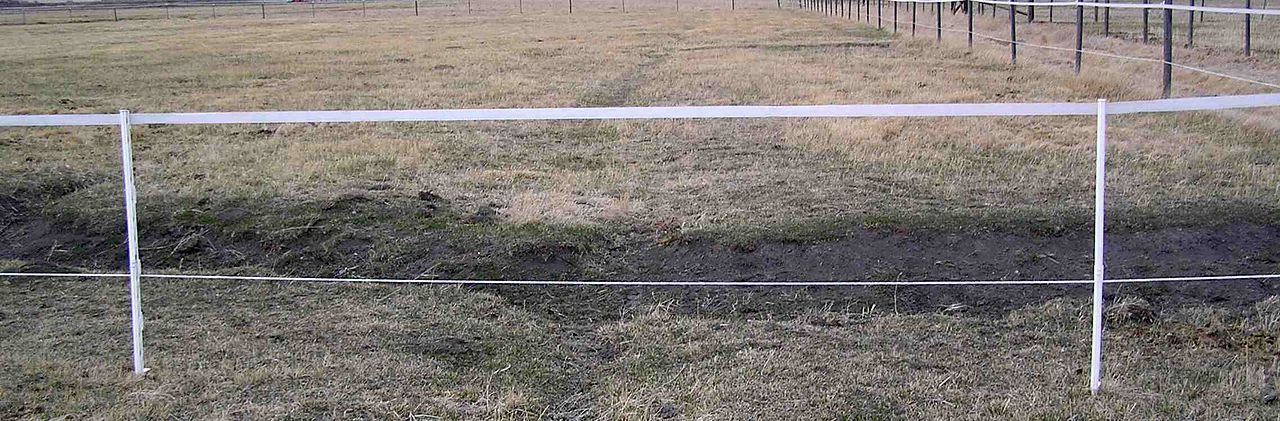
Fences used in agriculture vary widely in form and function. Materials include timber (post-and-rail or post-and-board), woven wire, barbed wire, high-tensile steel wire, welded mesh, field hedges and permanent stone or concrete walls. Electrified systems—temporary or permanent—use charged wires to condition animal behavior without heavy physical confinement. Portable electric tape or netting is common for rotational grazing and temporary paddocks.
- Post-and-rail/board: traditional for horses and larger livestock, visible and robust.
- Woven or welded wire: versatile for mixed animals and smaller stock; can include predator-proof variants.
- Barbed/high-tensile wire: economical for large perimeters but requires careful installation for safety.
- Electric fencing: adaptable and cost-effective for movable layouts and behavior control.
History and development
Fencing has evolved from natural boundaries—hedgerows, ditches and stone walls—to manufactured materials. The agricultural revolution and expanding livestock markets increased the use of permanent fences, while twentieth-century developments brought lightweight metals and electric systems. Today, choices reflect a mix of tradition, technology and local practice.
Functions and practical uses
Primary functions include containing and separating livestock, excluding wildlife from crops, protecting sensitive habitats and delineating property lines. Fencing supports grazing management by creating subdivisions for rotational grazing, reducing parasite loads and improving pasture recovery. In horticulture and orchards, exclusion fencing reduces damage from deer, rabbits and boar, improving yields and reducing pesticide reliance.
Design, installation and maintenance
Good fence design balances effectiveness, animal safety and longevity. Key considerations are appropriate post spacing, correct wire tension, secure gateways and visibility for animals. Maintenance tasks include repairing broken posts, replacing corroded wire, clearing vegetation that contacts wires and testing electrified systems. Temporary systems should be inspected more frequently. Professional installation is recommended for legal boundary fences and complex electrified systems.
Environmental, welfare and legal considerations
Well designed fencing can reduce conflicts with wild species and minimize harm to non-target animals. Wildlife-friendly options use smooth wire, appropriate mesh sizes and visible markers to reduce collisions. Many jurisdictions regulate fence location, height and construction where fences affect public rights of way, waterways or listed habitats. Farmers also consider animal welfare standards to avoid designs that entangle or injure stock.
For further guidance and technical specifications, consult specialist resources or local agricultural extension services. See an overview of fence types and materials at fencing resources, livestock containment guidance at animal fencing guidance, and crop protection solutions at crop exclusion methods.
Related articles
Author
AlegsaOnline.com Agricultural fencing: purpose, types, design, and management Leandro Alegsa
URL: https://en.alegsaonline.com/art/1440