
Aeronautics: Principles, History, and Applications
Aeronautics studies the design, operation, and science of aircraft and air navigation, covering aerodynamics, propulsion, structures, control systems and their roles in transport, research, and industry.
Overview
Aeronautics is the field concerned with the design, development, operation and behaviour of aircraft that fly within Earth's atmosphere. It covers both the practical tasks of making and operating aeroplanes, helicopters and other airborne vehicles and the underlying scientific study of how air interacts with moving bodies. The word itself derives from Greek roots meaning "air" and "navigation." Modern aeronautics combines theory, experimentation and engineering practice to enable safe, efficient flight.
Image gallery
10 Images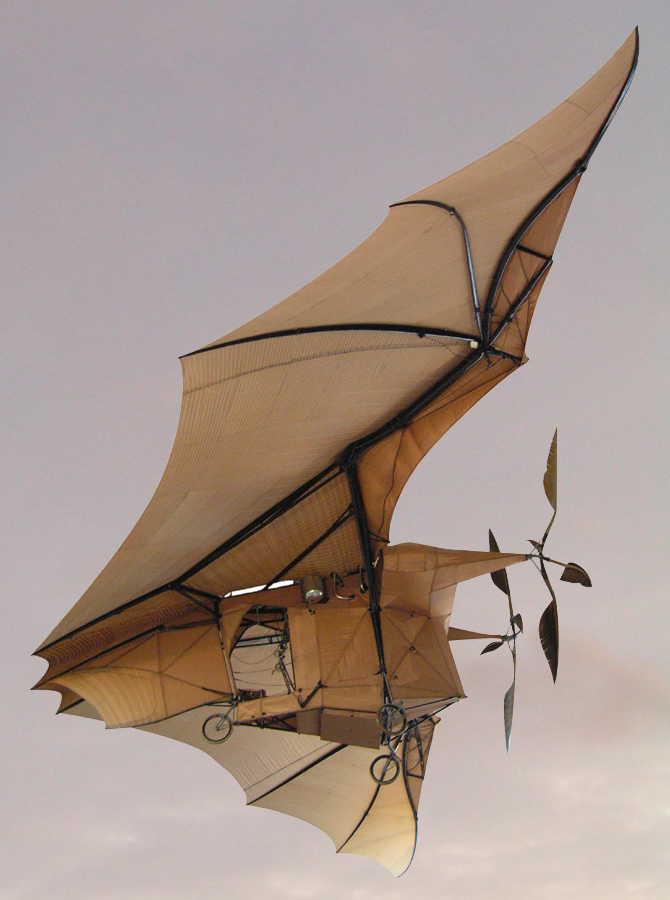




Core topics and disciplines
Aeronautics draws on several interrelated areas. Key subjects include:
- Aerodynamics — the study of airflow around wings and fuselages and how lift and drag are generated.
- Propulsion — engines and propulsive systems that provide thrust, from piston engines and turbofans to electric motors.
- Structures and materials — how airframes are built to be light, strong and durable.
- Flight mechanics and control — stability, guidance and pilot or automated control systems.
- Avionics and systems integration — onboard instruments, sensors and communication systems.
Historical development
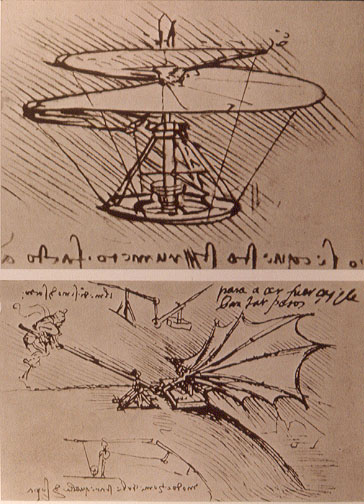
The ambition to fly has ancient roots in observation and imagination, and scientific aeronautics matured over centuries. Concepts of lift and wing shapes were explored by inventors and natural philosophers; powered, controlled flight became practical with early 20th century pioneers. Rapid advances through the 20th century came from needs in transport, commerce and defence, evolving into today's commercial airliners, helicopters and unmanned aerial vehicles.
Applications and importance
Aeronautics enables many modern activities: long-distance passenger and cargo transport, emergency medical evacuation, scientific research, and specialized tasks such as aerial surveying and firefighting. The field also underpins space launch technologies and informs regulations and certification that ensure safety and environmental performance. Its techniques are applied across civil, military and recreational contexts.
Practical aspects and distinctions
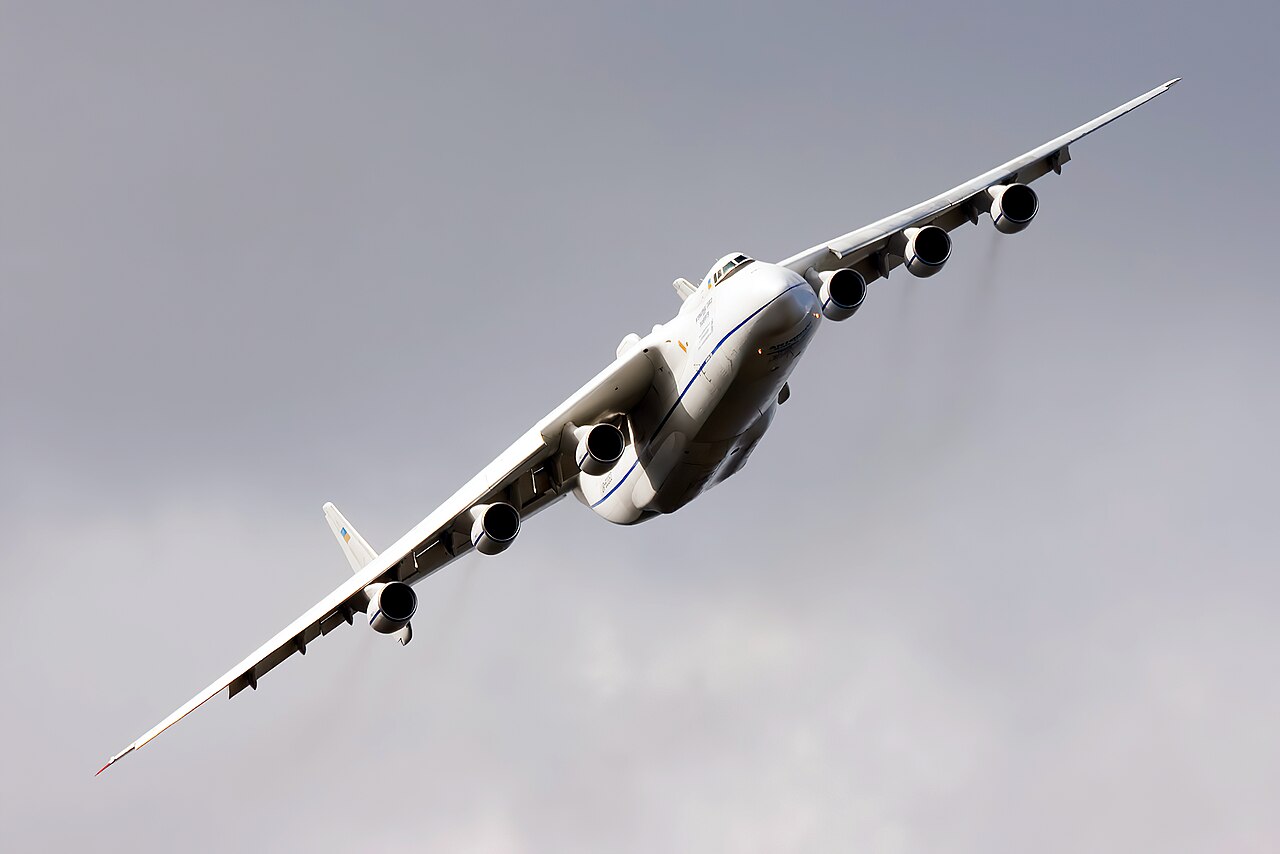
Designing an aircraft requires trade-offs among speed, range, efficiency and cost. Fixed-wing aircraft differ markedly from rotary-wing aircraft (helicopters) in how they generate lift and perform manoeuvres; both types are studied under aeronautics and operated by trained personnel. Research ranges from wind-tunnel tests to computational simulations and flight trials, often guided by standards developed in engineering practice and science disciplines.
Further study and resources
Those seeking to learn more can consult textbooks, academic courses and technical publications that cover theoretical foundations and applied techniques. Practical education typically combines classroom study with laboratory and flight experience. For information about specific aircraft types and industry standards, resources addressing both aircraft and rotorcraft provide useful detail; for example, introductions to aircraft design and maintenance are widely available from educational and professional organisations.
Related articles
Author
AlegsaOnline.com Aeronautics: Principles, History, and Applications Leandro Alegsa
URL: https://en.alegsaonline.com/art/1172