
Jane Eyre — novel by Charlotte Brontë (1847)
A concise, balanced overview of Charlotte Brontë's Jane Eyre: its plot type, themes, characters, publication history, and lasting influence in literature and adaptations.
Overview
Jane Eyre is a 19th-century novel first published in 1847. Written by Charlotte Brontë and originally released under the pen name Currer Bell, it tells the story of an orphaned governess who seeks independence, moral integrity, and love. The narrative is delivered in the first person and combines elements of the coming-of-age novel with Gothic atmosphere and social critique. For a direct reference to the text see the novel and for biographical context consult sources about Charlotte Brontë.
Image gallery
7 Images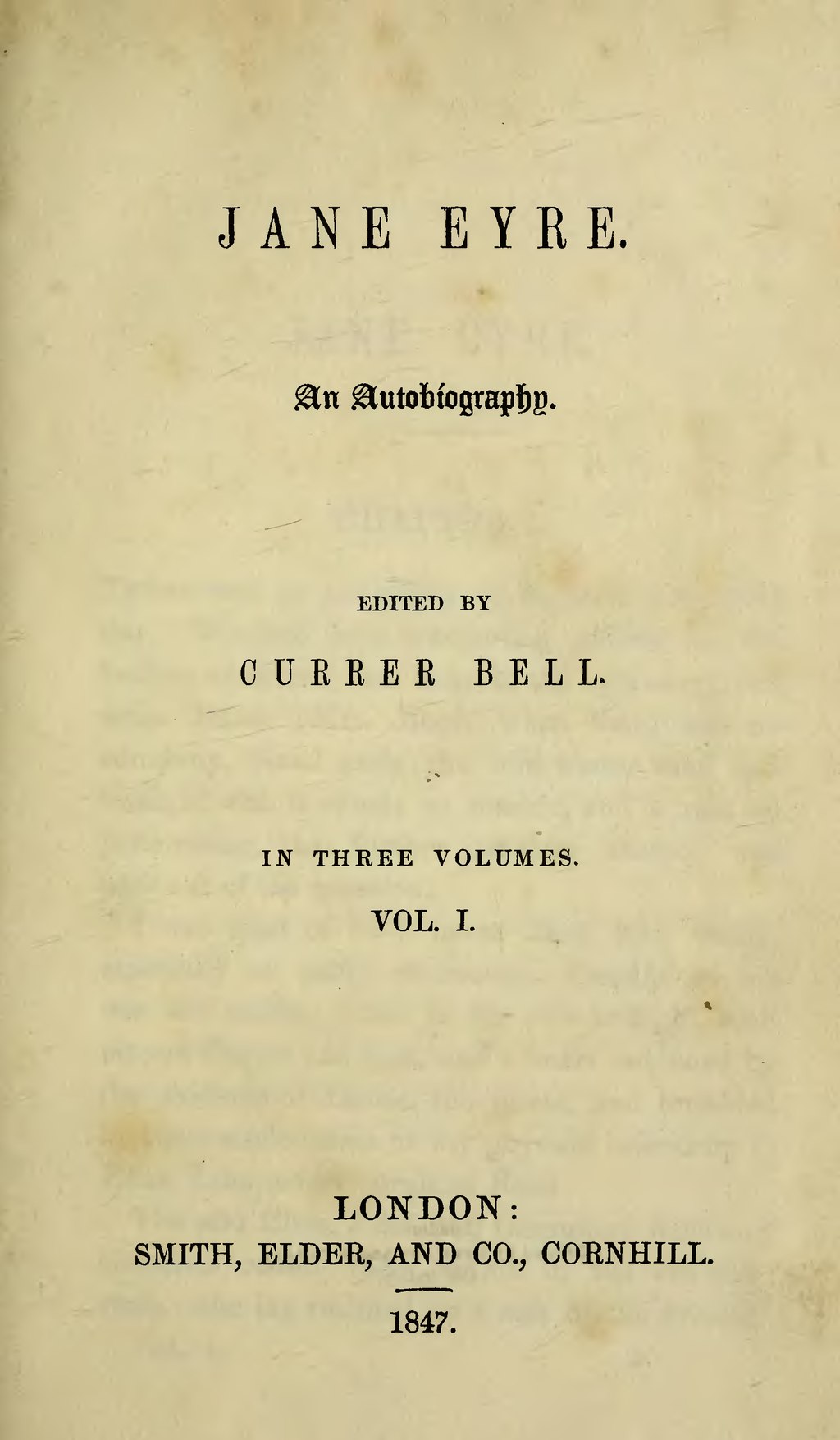





Form and themes
The book is often described as a bildungsroman: it traces the protagonist's emotional and moral growth from childhood to adulthood. Prominent themes include social class and gender roles, religion and morality, autonomy and self-respect, and the tension between passion and duty. Gothic elements—isolated houses, secrets, and intense emotional states—heighten the novel's dramatic stakes while the plainspoken first-person voice creates direct intimacy with the reader.
Structure and notable characters
The plot moves through distinct phases: a harsh childhood, schooling at a charitable institution, work as a governess at Thornfield Hall, and later trials that test Jane's principles. Key figures include Jane Eyre herself, Mr. Rochester, the tragic Helen Burns, the cold Mrs. Reed, and St. John Rivers. The secret of Rochester's household and the presence of a hidden wife are central to the novel's climactic conflicts.
History and publication
Published in England in 1847, the novel arrived amid growing interest in realist and socially conscious fiction. Its initial anonymity and the use of a male pseudonym reflect the publishing challenges faced by women writers of the period. For details on publication history and contemporary reception see historical accounts and archives relating to 19th-century British literature collections.
Reception and adaptations
Jane Eyre quickly became influential and remains widely read. It has been adapted repeatedly for stage, film, radio, and television, and continues to be taught in schools and universities. Critics highlight its complex heroine and moral seriousness, while later readers and scholars have examined topics such as colonialism, mental health, and gender politics arising from characters and plot choices.
Legacy and significance
The novel is celebrated for its strong narrative voice, its combination of psychological depth and social observation, and its role in expanding what was possible for fictional heroines in Victorian literature. Whether approached as a Gothic romance, a moral tale, or an early feminist text, Jane Eyre remains a central work in the English-language canon.
- Suggested further reading: modern critical editions and annotated versions provide historical notes and analysis.
- Common study topics: narrative perspective, gender and class, Gothic motifs.
Related articles
Author
AlegsaOnline.com Jane Eyre — novel by Charlotte Brontë (1847) Leandro Alegsa
URL: https://en.alegsaonline.com/art/49398