
Jair Rodrigues (1939–2014): Brazilian singer and musician
Concise profile of Jair Rodrigues, a Brazilian singer and musician noted for lively samba and popular-music performances; career from the 1950s and several well-known recordings and albums.
Overview
Jair Rodrigues de Oliveira (February 6, 1939 – May 8, 2014) was a Brazilian musician and singer whose energetic stage presence and clear voice made him a prominent figure in Brazilian popular music across several decades. Born in Igarapava, he began performing in the 1950s and remained active through live concerts, recordings and television appearances.
Image gallery
2 Images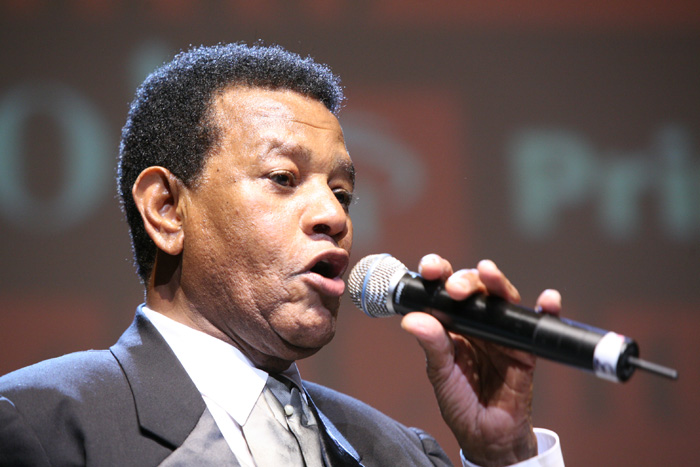

Musical style and repertoire
Rodrigues is best remembered for performances rooted in samba and other forms of Brazilian popular song. He was comfortable with rhythmic and danceable material, occasionally crossing into styles influenced by contemporary trends such as funk, while remaining closely associated with traditional and modern samba idioms (samba). His delivery combined strong phrasing with a warm, direct timbre that suited both intimate studio work and large-stage shows.
Career and development
Beginning in the mid-20th century, Jair Rodrigues built a steady career by working with bands, performing on radio and television, and releasing studio and live albums. Over the years he adapted to changing popular tastes while maintaining a signature style. He recorded material for mainstream audiences and took part in festival and variety programs that helped bring Brazilian song to broader domestic listeners.
Notable recordings
Among recordings often associated with Jair Rodrigues are several popular titles that appeared on albums and singles during his long career. Examples frequently cited in biographical summaries include:
- O Menino da Porteira
- Boi da Cara Preta
- Majestade o Sabiá
Legacy and significance
Jair Rodrigues left a legacy as an interpreter who could convey joy and rhythmic vitality in Brazilian popular music. He influenced fellow singers and is remembered for a repertoire that included folk-informed songs, popular samba, and accessible arrangements that reached wide audiences. He died in Cotia in 2014 at the age of 75, and his recordings continue to be referenced by listeners and students of Brazilian song.
Further notes
For listeners exploring his work, recorded compilations and live albums offer a clear sense of his range and stage persona. His career illustrates the mid-20th-century evolution of Brazilian popular music from regional forms toward national media exposure and remains a point of reference for performers of samba and related genres.
Related articles
Author
AlegsaOnline.com Jair Rodrigues (1939–2014): Brazilian singer and musician Leandro Alegsa
URL: https://en.alegsaonline.com/art/49118